

5 Things to Fix 24 Months Before You Sell
- The number a buyer pays is mostly decided in the 24 months before you sell, not during the sale, so exit planning is a two-year financial project, not a closing-week scramble.
- Roughly 80% of owners have no written transition plan and only 20% to 30% of businesses that list actually sell, which means readiness itself is the edge.
- Five financial fixes move price the most: books a buyer can trust, margins that signal durability, lower customer concentration, stronger recurring revenue, and a forecast that survives diligence.
- Each fix pays for itself at close by lifting the multiple and removing the risks that quietly kill deals during due diligence.
- Start now, because most of these drivers need four to eight quarters of clean history before a buyer will believe them.
I have sat on both sides of the table, and the pattern almost never changes. The owner spends the final ninety days before a sale sprinting to clean up the business, and the buyer spends those same ninety days discounting everything the sprint reveals. The price you get at exit is set long before the banker sends the teaser. It is set in the two years of financial decisions that come before it. According to the Exit Planning Institute, roughly 80% of owners have no written transition plan, and only 20% to 30% of the businesses that go to market actually sell, per Chris Snider of the Exit Planning Institute. Readiness is not a formality. It is most of the deal. Here are the five things my team fixes with a client roughly 24 months before we let them near a sale process, drawn from the same drivers that decide what a 2026 valuation really hinges on.

Fix 1: Books A Buyer Can Trust
The first fix is financial hygiene, because a buyer pays for earnings they can verify, not earnings you assert. When a serious acquirer arrives, the first thing they commission is a quality-of-earnings study, and that study either confirms your numbers or quietly recuts them. Calder Capital puts it plainly: "verified earnings and strong QofE reports drive better offers and smoother closings." The same market data shows high-performing buyouts averaging 6.5x EBITDA in early 2025 against a long-run average of 5.9x, and the gap between those numbers is largely a story about which sellers could prove their profit.
Clean books means accrual accounting that ties out, revenue recognized consistently, personal expenses stripped out, and add-backs you can actually document. The add-back conversation is where I watch deals lose value in real time. An owner claims a stack of "one-time" costs that mysteriously recur every year, the buyer refuses to normalize them, and the whole EBITDA base shrinks. Two years is enough time to run the business as if a stranger were already reading the statements. Recognize revenue the boring way, keep the owner's lifestyle out of the P&L, and build a schedule of genuine, defensible add-backs. Do that and the quality-of-earnings study becomes confirmation instead of an ambush.

Fix 2: Margins That Signal Durability
The second fix is margin, because buyers pay for durability, not just size. A business growing revenue while its gross margin erodes tells an acquirer that its pricing power is weak and its costs are winning, and that is a discount waiting to happen. A business holding or expanding margin tells the opposite story: it can absorb a shock, fund its own growth, and survive the transition to new ownership. The margin trend line is one of the clearest signals of quality a buyer reads.
Fixing margin 24 months out is unglamorous and effective. Reprice the work that has drifted below its true cost, since most founders are underpricing at least one product line without knowing it, which is exactly why we run a margin-first pricing review before any exit prep. Kill or fix the offerings that lose money on a fully loaded basis. Move variable costs that scale badly into contracts you control. None of this reads as heroic in a board meeting, but each point of durable gross margin you add before a sale is worth a multiple of itself in enterprise value, because the buyer capitalizes it. Margin is the rare fix that pays twice, once in cash flow while you own the business and again in price when you sell it.

Fix 3: Reduce Customer Concentration
The third fix is customer concentration, because one dominant account is the single scariest line item a buyer sees. When a single customer owns a large share of your revenue, the acquirer is not buying your company, they are buying a bet on one relationship they do not control. Advisory rules of thumb vary, but the direction never does: a business where one client contributes an outsized slice of revenue draws a materially lower multiple than a diversified peer, and sometimes it makes the business unsellable at any reasonable price. I have written before about why customer concentration risk is the exposure founders most consistently underestimate.
Concentration is slow to fix, which is exactly why you start early. You cannot diversify a customer base in the quarter before a sale. Over 24 months you can, by pushing sales into new segments, converting a big handshake account onto a real multi-year contract, and deliberately growing the long tail so no single logo can end the story. If the concentration is structural and will not move, the second-best play is to de-risk it: longer contractual commitments, switching costs, and documented relationship depth beyond the founder. A buyer will forgive a large account that is locked in and institutionalized. They will run from a large account that could leave with a phone call.
Fix 4: Strengthen Recurring Revenue
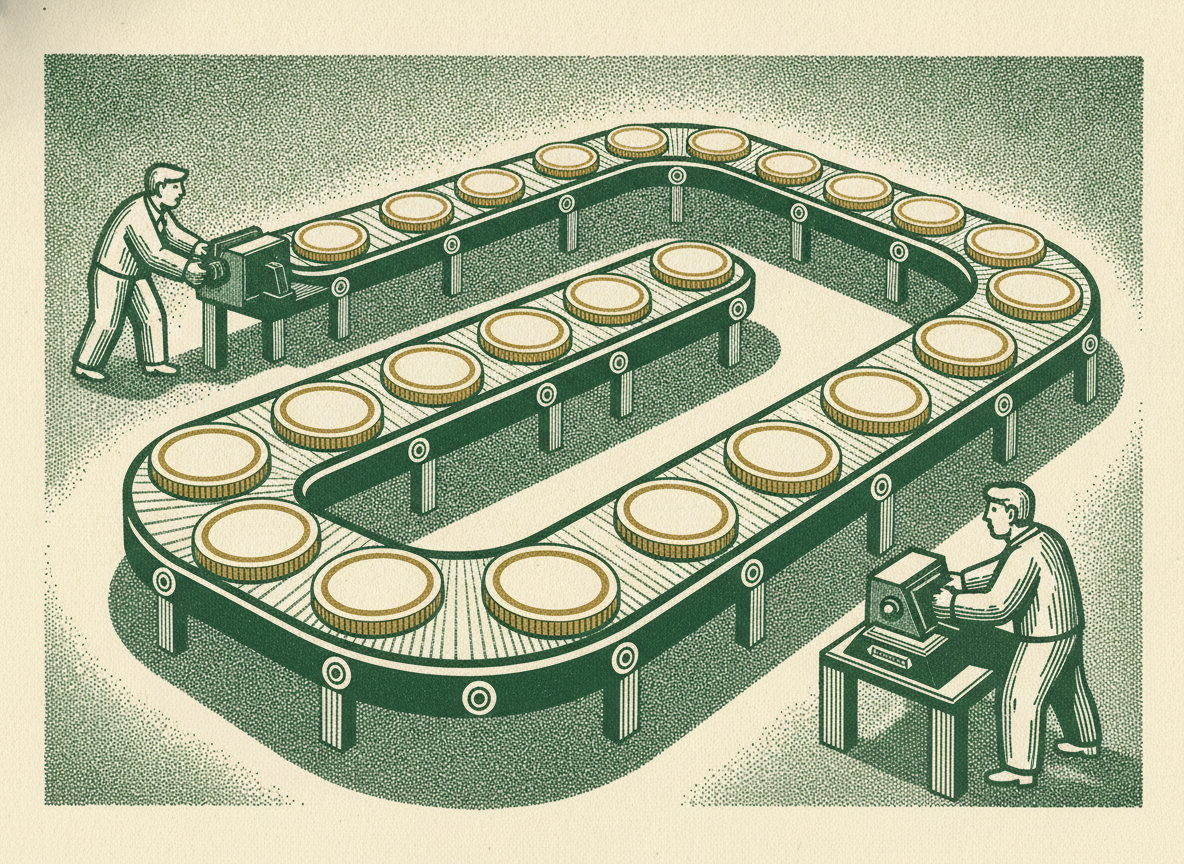
The fourth fix is recurring revenue, because predictable revenue is worth more than the same dollar earned once. Buyers pay a premium for revenue they can forecast, and the premium is not small. Spectup notes that acquirers now scrutinize net revenue retention so closely that a company with 115% NRR can beat a larger company with 85% NRR in acquisition talks, and it cites mid-growth recurring-revenue exits landing at 4.7x to 6.1x revenue. That is the mathematics of durability: contracted, renewing revenue gets capitalized at a higher multiple than project work that resets to zero every January.
You do not need to become a software company to benefit from this. You need to convert as much of your revenue as possible from one-time to ongoing. Turn projects into retainers, one-off sales into subscriptions or service agreements, and transactional customers into contracts with real renewal terms. Then measure retention like it matters, because it does. Net revenue retention above 100% means your existing customers grow on their own, which is the most valuable growth engine a buyer can inherit. Every point of revenue you shift from episodic to recurring raises both the quality of the earnings and the multiple applied to them.
Fix 5: A Forecast Diligence Won't Break
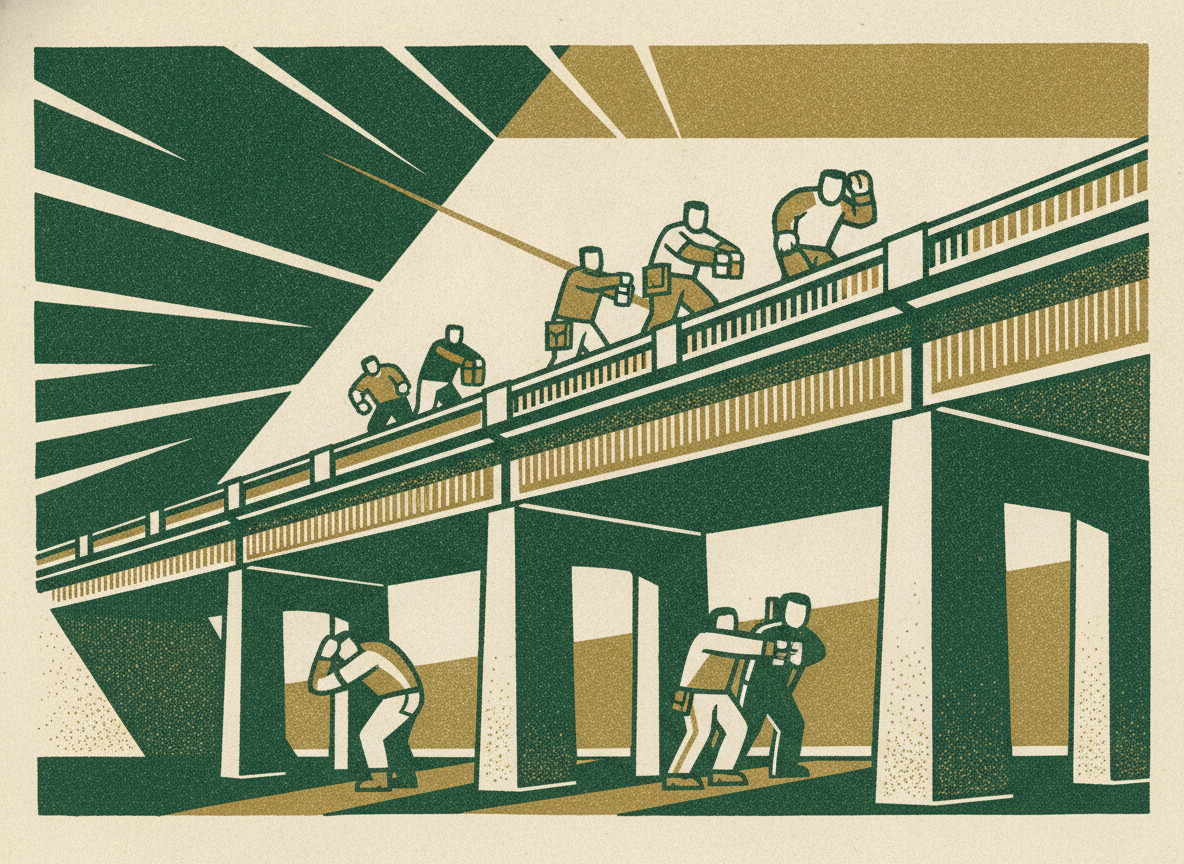
The fifth fix is a credible forecast, because the last thing that breaks a deal is a projection the buyer stops believing. Diligence is not only a look backward at what happened, it is a stress test of what you claim will happen next. When a forecast is a hockey-stick with no drivers underneath it, the buyer discounts the whole plan and, worse, starts doubting the historical numbers too. As Spectup frames it, "exit readiness is a permanent state, not a phase," and a defensible forecast is what proves you have been living in that state rather than staging it.
A forecast that survives diligence is built from drivers a buyer can test: pipeline conversion, retention, price, capacity, and the cash conversion cycle, not a flat growth rate applied to last year. It ties to the same 13-week cash flow model you actually run the business on, so the story a buyer hears matches the numbers they audit. It should also anticipate the questions diligence always asks, including how the business runs without you, which is the key-person risk every acquirer probes. A forecast you have hit for eight straight quarters is not a spreadsheet, it is evidence. That evidence is what lets a buyer pay for the future instead of only the past.

Frequently Asked Questions
How Do I Get My Business Ready To Sell?
Give a buyer verified financials, durable margins, a diversified customer base, stronger recurring revenue, and a forecast you can defend. Start the cleanup years before you list, because most of these drivers need multiple quarters of clean history to be credible.
What Hurts A Business Valuation?
Messy or unverifiable books, one customer owning too much of the revenue, thin or eroding margins, one-time project revenue instead of recurring revenue, and forecasts that fall apart the moment diligence tests them.
How Far In Advance Should I Prepare My Business To Sell?
Treat exit readiness as an ongoing state and start at least 24 months out. Value drivers like customer diversification and a track record of hitting forecast take four to eight quarters to move and to become believable to a buyer.
What Do Buyers Look For When Buying A Business?
Buyers look past top-line revenue to recurring revenue quality, customer retention and concentration, low founder dependency, clean and verifiable books, and durable margins. Those signals decide the multiple far more than raw size does.
Why Do Business Sales Fall Apart During Due Diligence?
Deals collapse when diligence surfaces problems that were not visible earlier: weak financial controls, unsupported earnings and add-backs, heavy customer concentration, or a business that cannot run without its founder.
References
