
Key-Person Risk: De-Risking the Founder Before You Raise or Sell
- Key-person risk, the degree to which a business depends on the founder, is a Financial Risk Management problem because it directly discounts what the company is worth and how a deal gets structured.
- Owner dependency is the single most common factor that lowers earnings multiples in a sale. Buyers respond with lower prices, earn-outs, and retention strings.
- Investors and acquirers actively probe it in diligence, often discovering that only one or two people truly understand how the numbers and relationships work.
- You reduce it by converting tribal knowledge into documented systems, cross-training your team, and building a leadership group that can run the business without you.
- This is slow work, so start at least 24 months before you plan to raise or sell. You cannot de-risk a founder in the month before a deal.
The most valuable thing you can do for your company's worth is also the most uncomfortable: make yourself less essential. Founders take pride in being the person who holds the key relationships, knows where the bodies are buried in the model, and can answer any question. To a buyer or investor, that is not a strength, it is a risk, and they price it. Treating key-person risk as a Financial Risk Management issue, and reducing it deliberately, is one of the highest-return projects a founder can run before a raise or an exit. Here is how.

Why Founder Dependency Is a Financial Risk, Not Just an Org Chart Problem
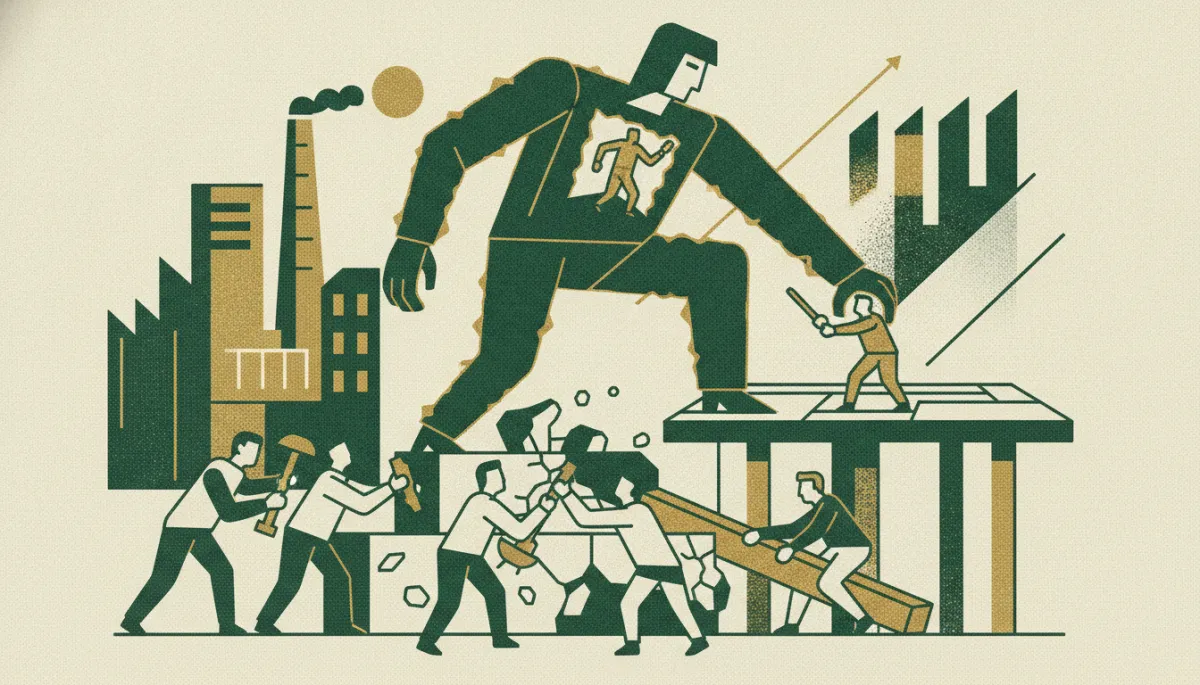
Founder dependency is a financial risk because the value of the business is partly tied to a single person who could leave, burn out, or simply be unable to scale, and acquirers and investors know it. When revenue, relationships, and operational knowledge concentrate in one individual, the company is fragile in a way that does not show up on the income statement but shows up immediately in a valuation. As SE Advisors puts it, founder dependency is a hidden valuation killer that can cost millions.
This reframes an organizational habit as a balance-sheet exposure. A company that cannot operate for a month without the founder is carrying an uninsured risk, and the market charges for it. Good Financial Risk Management treats the concentration of knowledge and relationships in the founder the same way it treats customer concentration or a single-supplier dependency: as a specific, measurable vulnerability to be reduced, not a personal quirk to be proud of. The goal is a business that is valuable because of its systems, not because of one irreplaceable person.

How Buyers and Investors Actually Measure It
Buyers measure key-person risk by probing how much of the business lives only in the founder's head, and diligence is built to find it. During the process, an acquirer quickly learns whether understanding the numbers requires conversations with one or two people who know how it all works, a tell that KMF Business Advisors lists among the warning signs that destroy value. The same probing applies to customer relationships, vendor terms, and operational decisions.
The 2026 investor mindset makes this sharper. As Exceleris notes, valuation is increasingly tied to systems rather than just revenue, so a company that runs on documented process scores higher than one that runs on the founder's memory at the same revenue. Investors are not just asking what you earn; they are asking whether the earnings survive your absence. A founder who can demonstrate that the business operates without their daily involvement is answering the question buyers care about most, and the valuation reflects it.
The Discount: What Key-Person Risk Costs at Exit
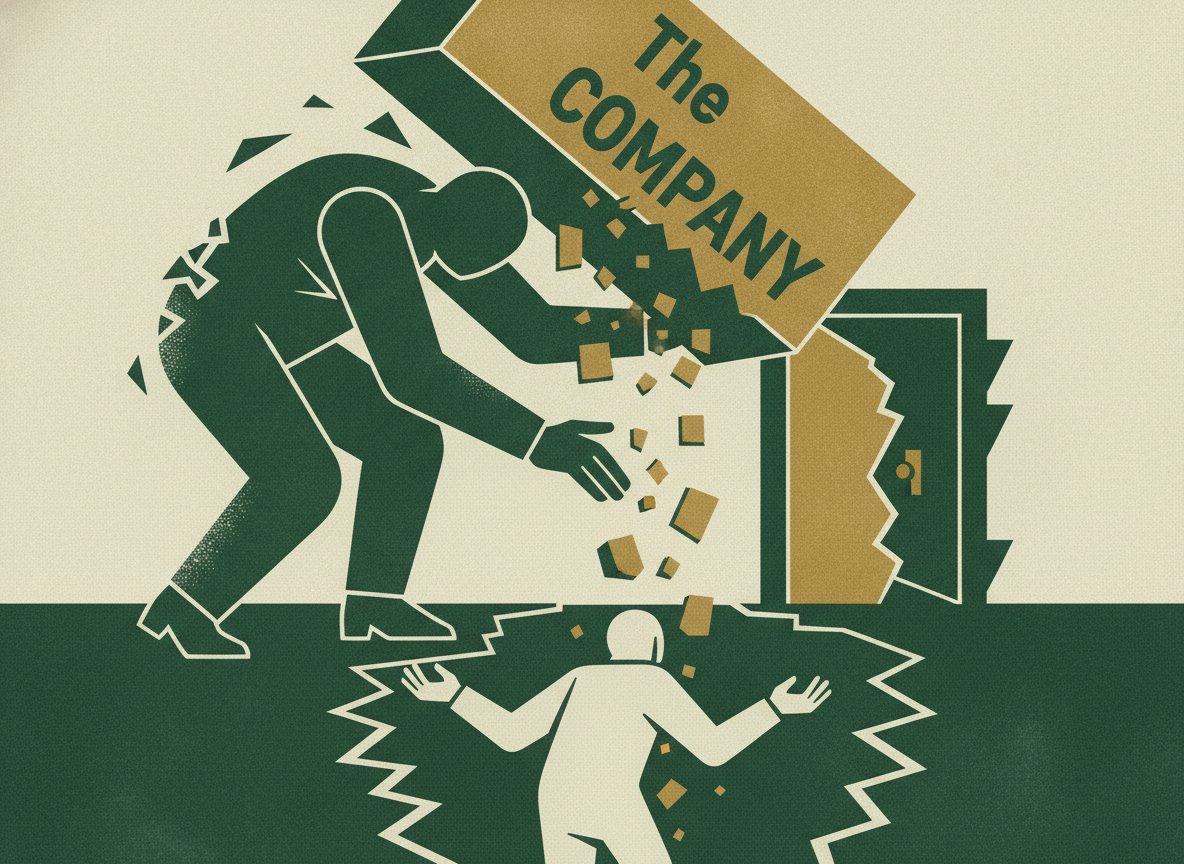
Key-person risk costs you twice at exit: a lower multiple and worse deal terms. Owner dependency is the single most prevalent factor reducing standard earnings multiples in corporate sales, according to Big Talk About Small Business. Two companies with identical earnings can sell at very different prices purely because one depends on its founder and the other does not.
The structure of the deal is the second cost. When a buyer perceives heavy founder dependency, they protect themselves with mechanisms that move cash away from you at close: earn-outs that tie payment to future performance, deferred payments, consulting agreements, and retention incentives that lock you in for years. The headline valuation might look fine, but the cash you actually receive at closing shrinks and your freedom afterward disappears. Reducing key-person risk is therefore not only about a higher number; it is about getting more of that number in cash, sooner, with fewer strings, which is the part of Financial Risk Management founders feel most at the moment of sale.

The De-Risking Playbook
De-risking the founder comes down to moving what is in your head into the business, and it follows a clear playbook. First, document the tribal knowledge: turn the processes only you know into written standard operating procedures, so the work does not depend on your memory. Second, cross-train your team so that essential roles have a backup and no single function rests on one person. Third, build a leadership team capable of running the business independently, with real decision authority rather than just titles.
The relationship piece is the hardest and the most important. Key customer and supplier relationships that exist only with you are a direct risk, so deliberately introduce other team members into those relationships over time, so the company owns them rather than you personally. The same goes for the numbers: if you are the only one who truly understands the model and the financials, that is a concentration risk a fractional CFO can specifically relieve by building documented, repeatable financial processes. The test for every item is simple: if you disappeared for ninety days, would this still function? Work down the list until the answer is yes.
Start 24 Months Early
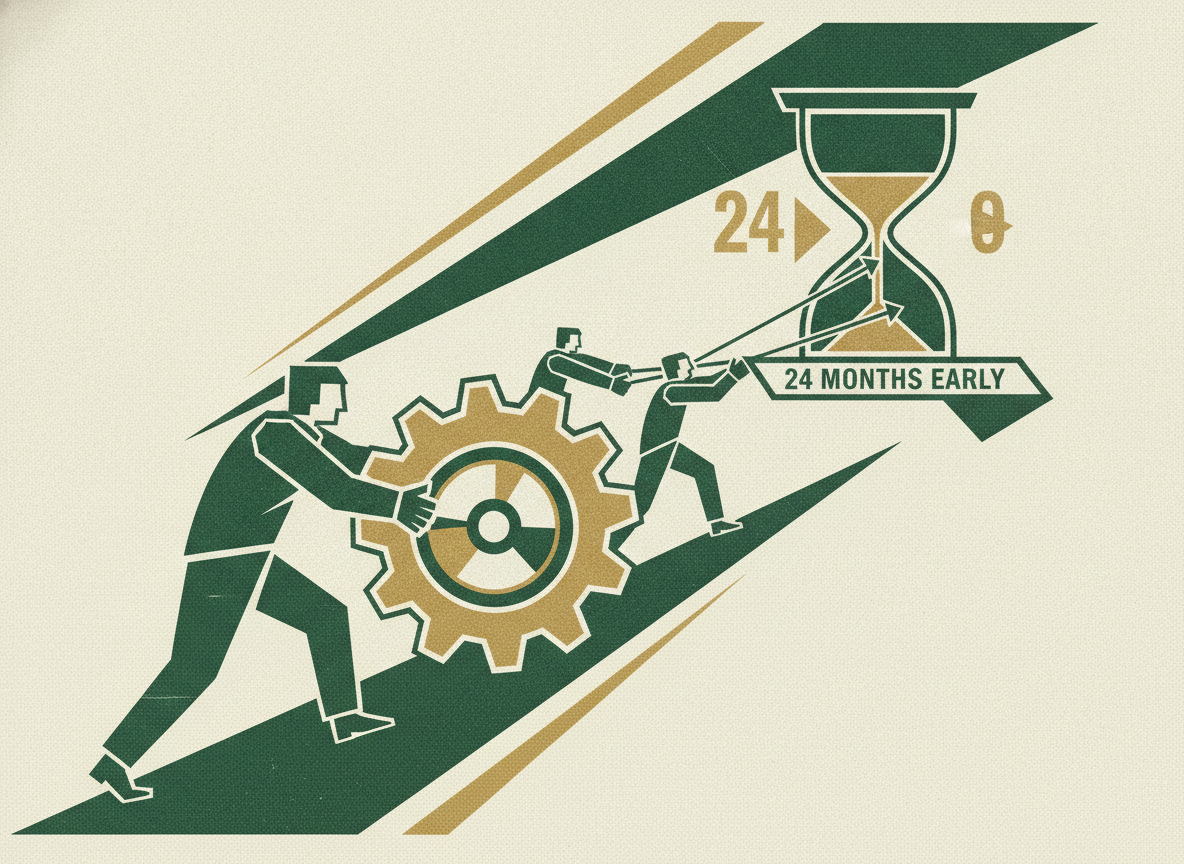
This work cannot be rushed, which is why the smart move is to start at least 24 months before you plan to raise or sell. Smart entrepreneurs begin addressing concentration risk two or more years ahead of an exit, working systematically to diversify dependency and maximize cash at close, per KMF Business Advisors. Documenting processes, cross-training people, and transferring relationships all take time to do credibly, and a buyer can tell the difference between systems that are genuinely embedded and a binder assembled the month before diligence.
Starting early also changes your leverage. A founder who has spent two years building a business that runs without them negotiates from strength, because they can walk away from an earn-out and a multi-year retention package. A founder who is still the single point of failure has no choice but to accept the strings the buyer attaches. The same logic applies to a raise: investors fund companies that will scale beyond the founder, not companies that are the founder. Treat de-risking as a two-year Financial Risk Management project, not a pre-deal scramble, and it pays you back in both price and freedom.

Frequently Asked Questions
What Is Key-Person Risk?
Key-person risk is the degree to which a business depends on one individual, usually the founder, for its revenue, relationships, and operational knowledge. It is a financial risk because acquirers and investors discount companies that cannot function without that person. The more the business lives in one person's head, the more fragile and less valuable it appears to an outside buyer.
How Does Founder Dependency Affect Valuation?
It lowers it. Owner dependency is the single most common factor reducing earnings multiples in a sale, so two companies with identical earnings can sell at very different prices based on dependency alone. Beyond the multiple, buyers add earn-outs, deferred payments, and retention agreements that move cash away from closing, so heavy dependency reduces both the price and the cash you receive up front.
How Do You Reduce Key-Person Risk?
Move what is in your head into the business. Document processes as written SOPs, cross-train employees so no role rests on one person, build a leadership team with real authority, and deliberately transfer key customer and supplier relationships to other team members. The test for each item is whether the business would still function if you were gone for ninety days.
When Should You Start De-Risking Before a Sale?
At least 24 months before you plan to raise or sell. Documenting systems, cross-training, and transferring relationships take time to become credible, and buyers can distinguish genuinely embedded systems from a last-minute effort. Starting early also gives you negotiating leverage, since a business that runs without you lets you reject earn-outs and long retention packages.
References
