


The ROI of a Fractional CFO: Value-Based vs. Hourly Pricing
Published: 2026-04-09 • Estimated reading time: 9 min
I’ve sat across the table from hundreds of founders. The conversation always, eventually, lands on the same anxious question: “What’s the real Fractional CFO cost?” It’s a fair question, but it’s the wrong one. The right question is, “What’s the cost of not having one?” Or, more precisely, “What is the ROI on elite financial leadership?”
Most founders see a high-level financial strategist as a line-item expense. I see it as an investment with a quantifiable, often staggering, return. But that return is entirely dependent on the pricing model. You’re not just buying time; you’re buying outcomes. And the way you pay for those outcomes reveals everything about the kind of partner you’re getting.
The Hourly Trap: Incentivizing Inefficiency
Hourly billing for strategic CFO services is a model that rewards activity over achievement, fundamentally misaligning your incentives with your advisor’s. Think about it: the advisor makes more money the longer a task takes. They are financially incentivized to be inefficient, to find more problems, to stretch out the project. It’s the taxi-driver-taking-the-scenic-route problem, applied to the most critical function of your business.
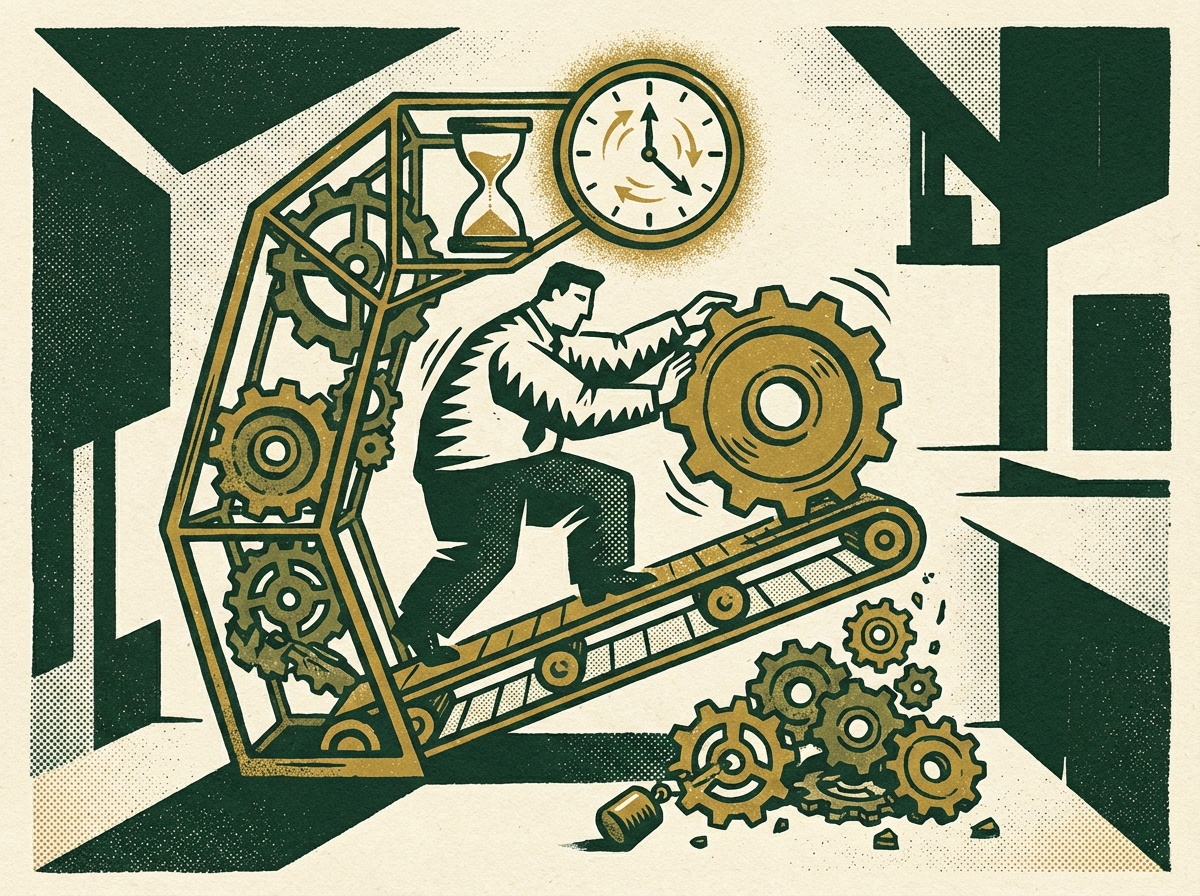
My team and I have seen this play out countless times. A company gets a “deal” on a CFO at $250 an hour. That sounds reasonable until the 40-hour-per-month engagement mysteriously balloons to 60 hours to handle a “crisis” that a more strategic partner would have foreseen and prevented weeks earlier. According to a study by Consulting Success, firms that switch to value-based pricing report higher client satisfaction because the focus shifts from clock-watching to problem-solving. The hourly model measures inputs; a value model measures results.
Value-Based Pricing: Aligning Incentives
Value-based pricing is an engagement model where a Fractional CFO’s fee is directly tied to the strategic value and financial outcomes they deliver. This model transforms the relationship from a vendor transaction into a true strategic partnership. We’re in the boat together, rowing in the same direction, because my compensation is linked to how fast and how far we go.
When my firm, Greenwood Business Consultants, structures an engagement, we don’t present a menu of hours. We present a roadmap of outcomes: increasing enterprise value, optimizing cash flow, securing a funding round, or preparing for an exit. The fee is a fixed, predictable investment tied to achieving those milestones. It forces a deeper level of accountability and ensures we are focused on the 10% of activities that drive 90% of the value.
Here’s a simple breakdown of the two dominant Fractional CFO pricing models:
This model is about buying certainty. You know exactly what you’re paying and what you’re paying for. The risk of inefficiency is on us, as it should be. We are incentivized to use better systems, to innovate, and to solve your problems as quickly and effectively as humanly possible.

The Cost of a ‘Bad’ Hire
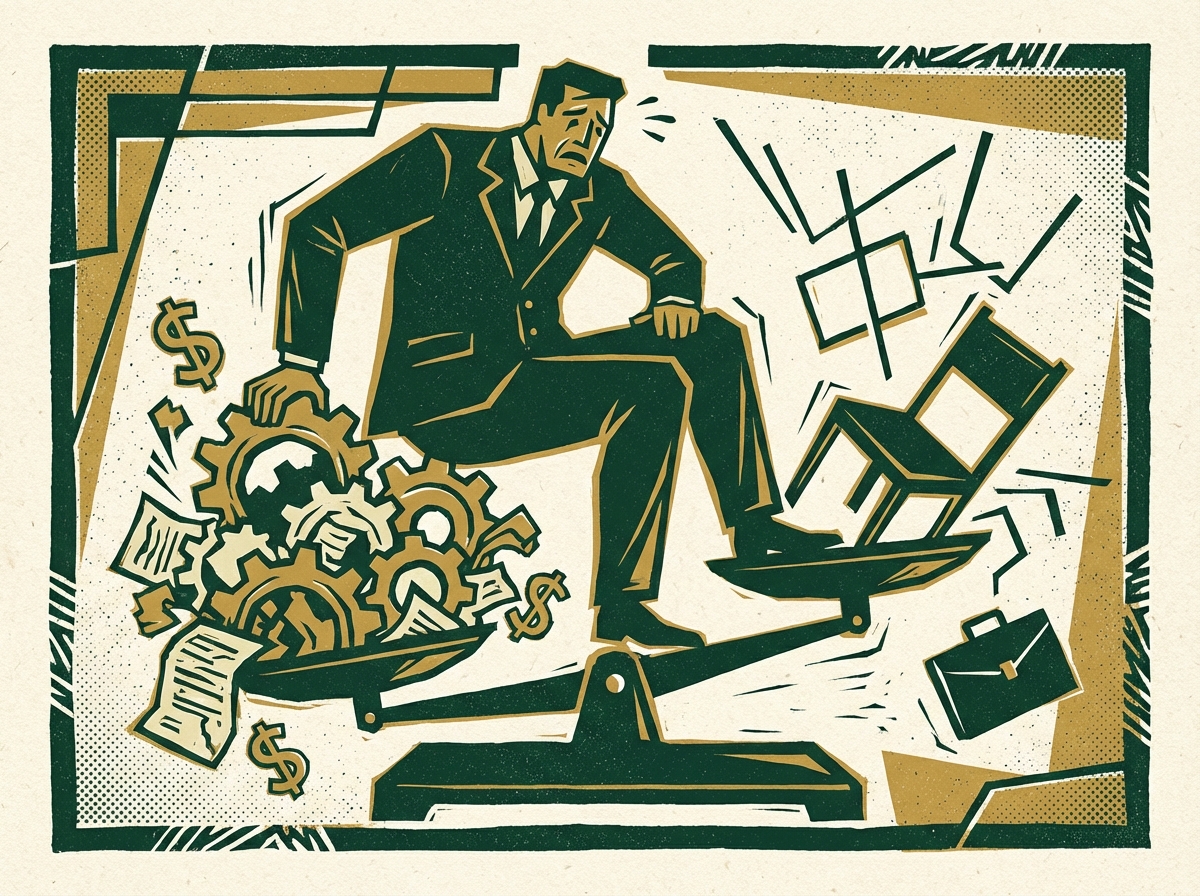
The true cost of bad financial advice extends far beyond the fees paid, encompassing lost opportunities, damaged credibility with investors, and strategic setbacks that can take years to unwind. A wrong executive hire at the senior level can end up costing a company up to 2.5 times their annual salary, according to Hunt Scanlon Media. For a CFO, the multiplier is arguably higher because their mistakes have a cascading effect across the entire organization.
I once worked with a SaaS company founder who had hired a cheaper, hourly “CFO” to save money. This individual built a forecast that secured a bridge round of funding, but the model was based on flawed unit economics. When the numbers didn’t materialize, the company blew through its cash, breached its debt covenants, and the founder’s credibility was shot. We had to come in and perform emergency surgery—rebuilding the model, renegotiating with lenders, and salvaging the investor relationships. The “savings” from the cheaper hire cost them nearly a million dollars in diluted equity and emergency financing fees. That’s the real cost of bad advice.
Calculating ROI: Cash Saved, Risk Mitigated, Value Created
Calculating the ROI of a Fractional CFO involves quantifying three key areas: direct cash savings, the monetary value of mitigated risks, and the new value created through strategic initiatives. It’s an investment, not an expense, and you should demand a return.

Cash Saved (The Obvious Wins)
This is the easiest part of the ROI to measure. A sharp CFO will immediately find opportunities to optimize your cash conversion cycle. This includes things like:
Tax Strategy: Restructuring or finding credits that save tens or hundreds of thousands of dollars.
Vendor Negotiations: Renegotiating terms with key suppliers to improve margins or payment cycles. A 1% improvement in procurement costs can translate to a 5-10% increase in profitability, as noted by procurement experts at Arkestro.
Working Capital Optimization: As highlighted by JPMorgan, improving the management of receivables and payables can unlock significant cash without taking on new debt.
Risk Mitigated (The Value of What Doesn’t Happen)
This is harder to quantify but arguably more valuable. What is the value of avoiding a catastrophic compliance failure? What is the cost of an inaccurate forecast that leads you to over-hire by 20 people just before a market downturn?
A strategic CFO builds a resilient financial infrastructure. This means accurate, timely reporting, robust internal controls, and scenario planning that stress-tests the business. This financial discipline is what allows you to sleep at night and what gives investors the confidence to write checks.
Value Created (The Strategic Multiplier)
This is where an elite Fractional CFO provides a 10x or 20x return. This isn’t about saving money; it’s about making money. Value creation activities include:
Capital Raising Strategy: Building the data room, crafting the narrative, and connecting you with the right investors.
M&A Support: Identifying targets, performing due diligence, and structuring deals that are accretive to your enterprise value.
Improved Decision-Making: Providing the forward-looking data that helps you decide which markets to enter, which products to launch, and how to allocate capital for maximum growth. As one expert put it, “Capital allocation is the CEO's most important job,” and a great CFO is the architect of that process.
Benchmarks for 2026 Engagement Fees
For 2026, strategic Fractional CFO engagement fees for a >$5M company typically range from $6,000 to over $25,000 per month on a value-based, fixed-fee retainer. The specific Fractional CFO cost depends entirely on the company's complexity and the engagement scope. A simple oversight and reporting role will be at the lower end, while a firm leading a Series B capital raise or an M&A transaction will be at the high end.
Factors that influence the monthly retainer include:
Company Revenue & Complexity: A $50M business with international operations requires a different level of support than a $5M domestic business.
Scope of Work: Is the CFO simply managing the current finance function, or are they tasked with building it from the ground up, implementing new systems, and leading strategic projects?
Industry Nuances: Highly regulated industries like fintech or healthcare often require more specialized expertise, influencing the fee.
Transaction Involvement: Direct involvement in fundraising or M&A activities represents a significantly higher value proposition and is priced accordingly.

When you see a price, don't just see the number. See the value it represents. A $10,000 per month investment that helps you secure a $15 million valuation increase isn't a cost; it’s the best check you’ll write all year.
Frequently Asked Questions About Fractional CFO Costs and Value
How much does a strategic Fractional CFO cost?
A strategic Fractional CFO typically costs between $6,000 and $25,000+ per month on a fixed-fee, value-based retainer in 2026. The final cost is determined by your company’s revenue, complexity, and the specific strategic outcomes defined in the engagement scope.
Why is hourly billing often a red flag for CFO services?
Hourly billing is a red flag because it incentivizes inefficiency and rewards activity rather than results. It creates unpredictable costs for the client and misaligns the financial interests of the CFO with the company’s goal of achieving outcomes as efficiently as possible.
How do you calculate the ROI of a Fractional CFO?
You calculate the ROI by summing the value from three areas: 1) tangible cash saved through financial optimizations (like tax savings and cost reductions), 2) financial value of risks mitigated (like avoiding compliance penalties), and 3) new enterprise value created from strategic initiatives (like successful fundraising or M&A).
