

The Problem of 'Orphaned' Analytics: When Finance Doesn't Own the Data
Published: 2026-04-13 • Estimated reading time: 9 min
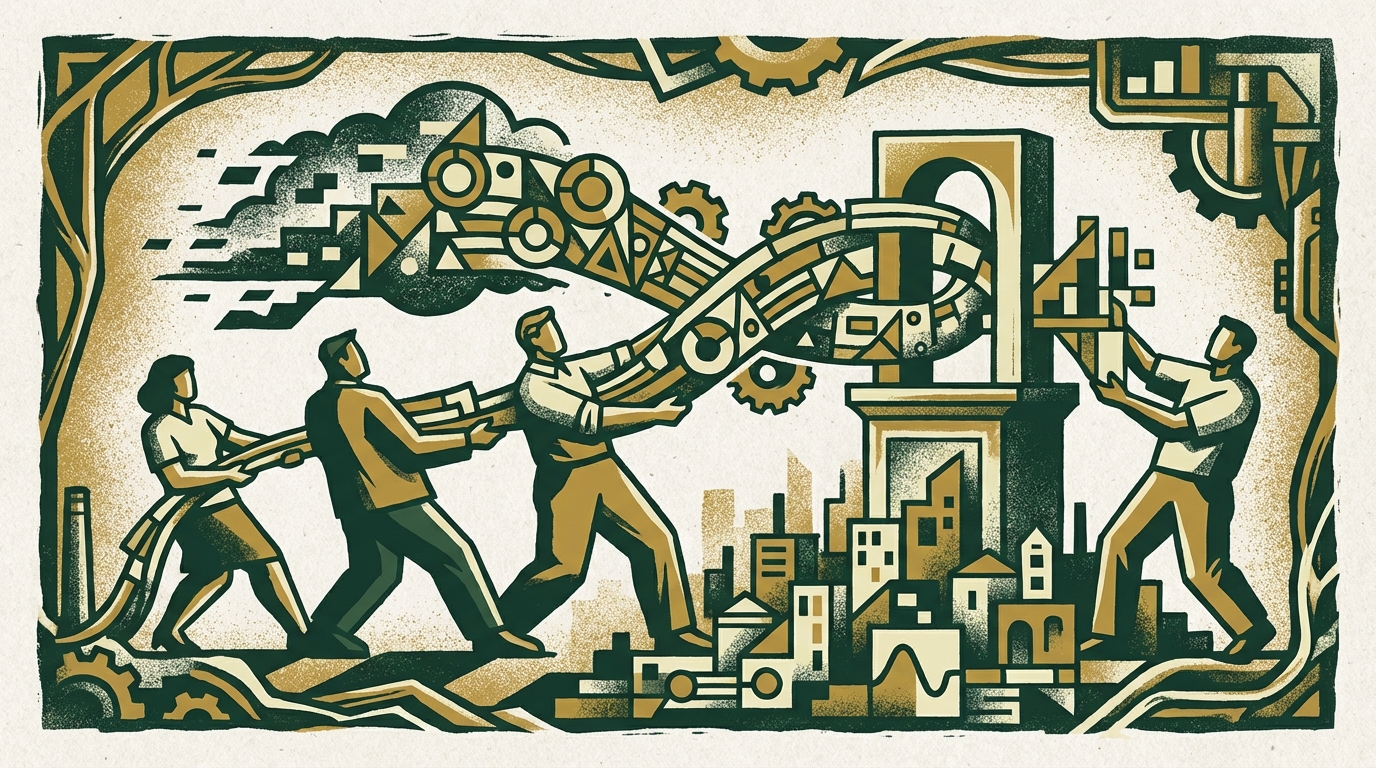
I was in a boardroom last Tuesday, watching a company tear itself apart over a single number: customer acquisition cost. The Head of Sales had a deck showing a CAC of $350, built from Salesforce reports. The CMO, armed with a gorgeous dashboard from a marketing automation platform I’d never heard of, confidently presented a CAC of $275. The COO, pulling from a proprietary logistics database, just shrugged and said both were wrong. The CEO looked at me like I was supposed to be the Oracle of Delphi. The brutal reality is, this isn’t a strategy problem; it’s a plumbing problem. It’s a classic case of “orphaned” analytics, and it’s the direct result of not having a clear owner of the company’s data narrative. The key to fixing this and enabling accurate financial modeling lies in placing data ownership where it has always belonged: with Finance.
The Tower of Babel: Why Departments Disagree on Numbers
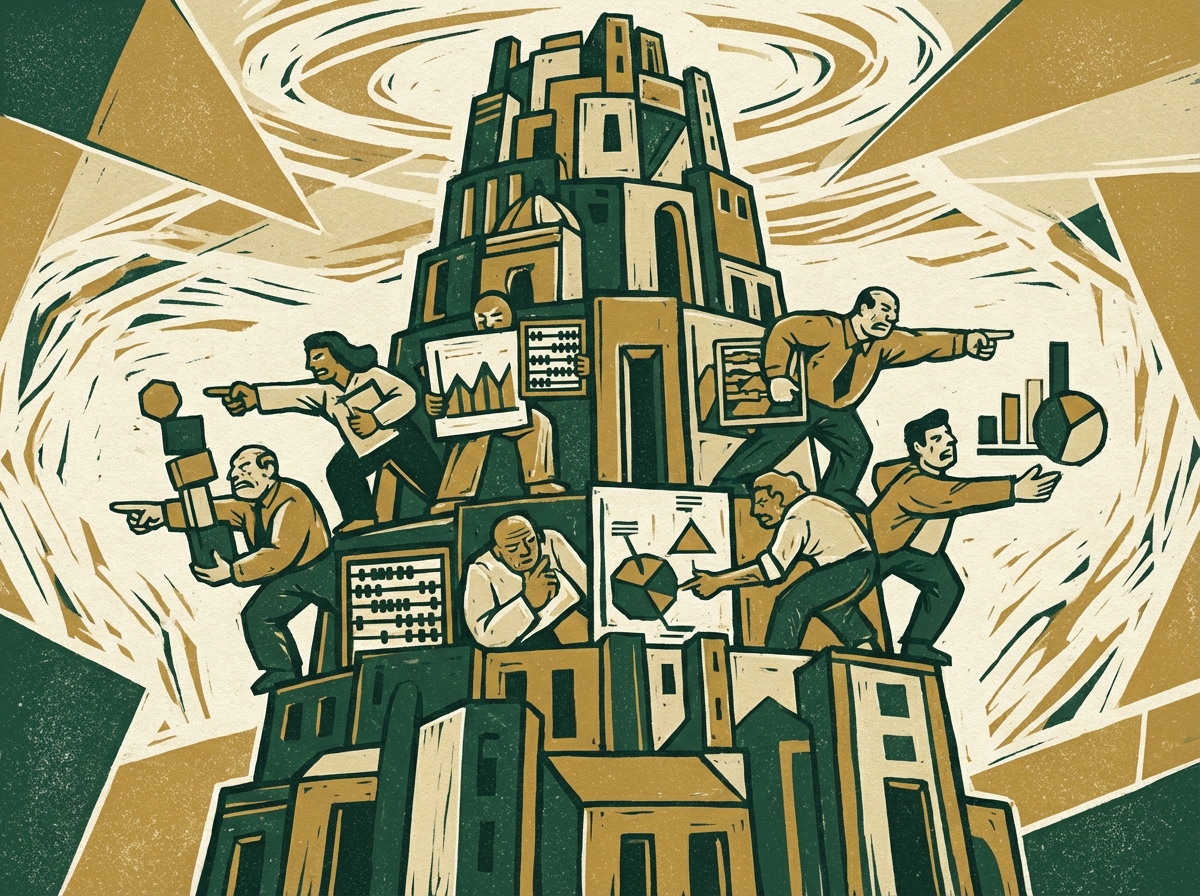
Siloed data is a financial risk because it leads to multiple, conflicting versions of the truth, making accurate decision-making and strategic planning impossible. I once had a client, a fast-growing e-commerce firm, where the marketing team celebrated a record-breaking quarter based on their attribution software. Simultaneously, the finance team was panicking because their models, based on actual cash flow and inventory costs, showed margins were plummeting. Both were technically “right” based on their isolated data sets. Marketing was measuring clicks; Finance was measuring cash. This is the modern corporation’s Tower of Babel, where every department speaks its own data language. According to a study highlighted by Integrate.io, more than 47% of businesses are actively hindered by this exact problem of siloed data.
This isn’t just an academic exercise. When Sales and Marketing aren’t aligned, you get friction. One report found that strong alignment can lead to 208% higher marketing revenue, a gain that’s impossible when both teams are arguing over whose numbers are real. The lack of a single source of truth erodes trust, wastes countless hours in reconciliation meetings, and leads to disastrously wrong bets on inventory, hiring, and ad spend.
The Cost of ‘Shadow Analytics’
‘Shadow Analytics’ refers to the unofficial, unmonitored data systems and reports built by employees outside the purview of IT or Finance. It’s the well-intentioned analyst in marketing exporting a CSV to Google Sheets to build a “better” dashboard because the official one is too slow or doesn’t have the right metrics. While the impulse is noble—a desire for answers—the practice is corrosive. My team sees this constantly: a patchwork of private spreadsheets and rogue BI instances that are impossible to audit and often built on faulty or incomplete data.

These orphaned data sets create massive risk. A recent report on AI usage found that as much as 80% of enterprise AI usage happens in these “shadows,” exposing sensitive data and building models on unverified information, as noted by Harmonic Security. The cost of this poor data quality isn't trivial; by some estimates from IBM, it costs the U.S. economy $3.1 trillion every single year. When your best-paid people are spending their time hunting for data and building their own systems instead of analyzing it, you’re not just losing money; you’re squandering your most valuable intellectual capital.
Finance as the Central Clearing House for Truth
The CFO must act as the ultimate data architect to unify information across departments and establish a single source of truth. Why Finance? Because Finance is the only function that is inherently impartial and has a holistic view of the entire business ecosystem, from revenue to cost of goods sold, from payroll to capital expenditures. They are the ultimate arbiters of the one metric that can’t be debated: cash in the bank. They are trained in the discipline of reconciliation, auditing, and rigorous financial modeling. Extending this discipline to the company’s operational data is the natural evolution of the modern CFO role.
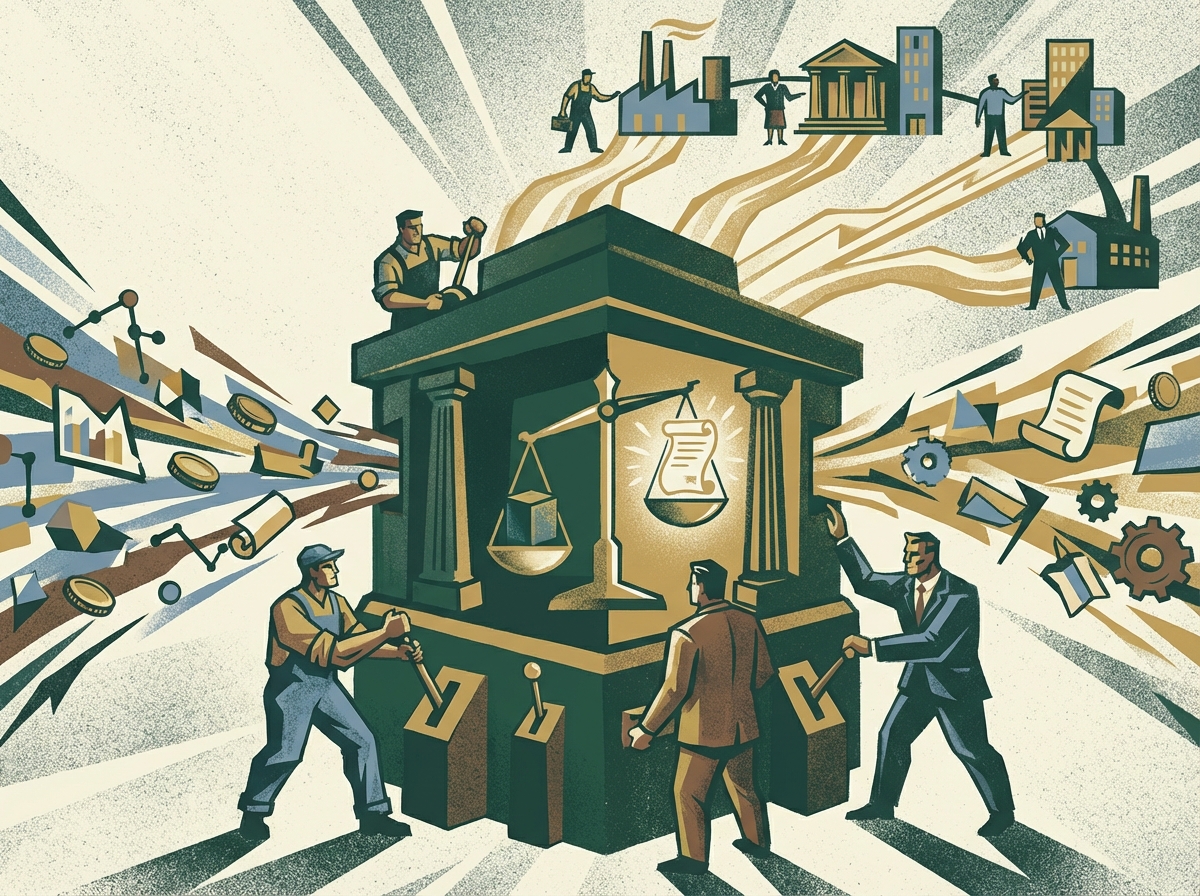
Establishing a ‘Single Source of Truth’ (SSoT) means creating a centralized, sanctioned data repository where all key business metrics are defined, calculated, and stored in exactly the same way for everyone. It means that when Sales talks about ‘new bookings,’ Marketing talks about ‘MQLs,’ and Operations talks about ‘units shipped,’ all of these metrics roll up into a financial model that everyone, especially the CEO, can trust. This is the foundation of data governance in finance. As former Netflix CFO David Wells put it:
“The models can be wrong, but you have to be willing to stand behind them.”
You can’t stand behind a model when you have ten different versions of it.
Implementing a Data Governance Charter
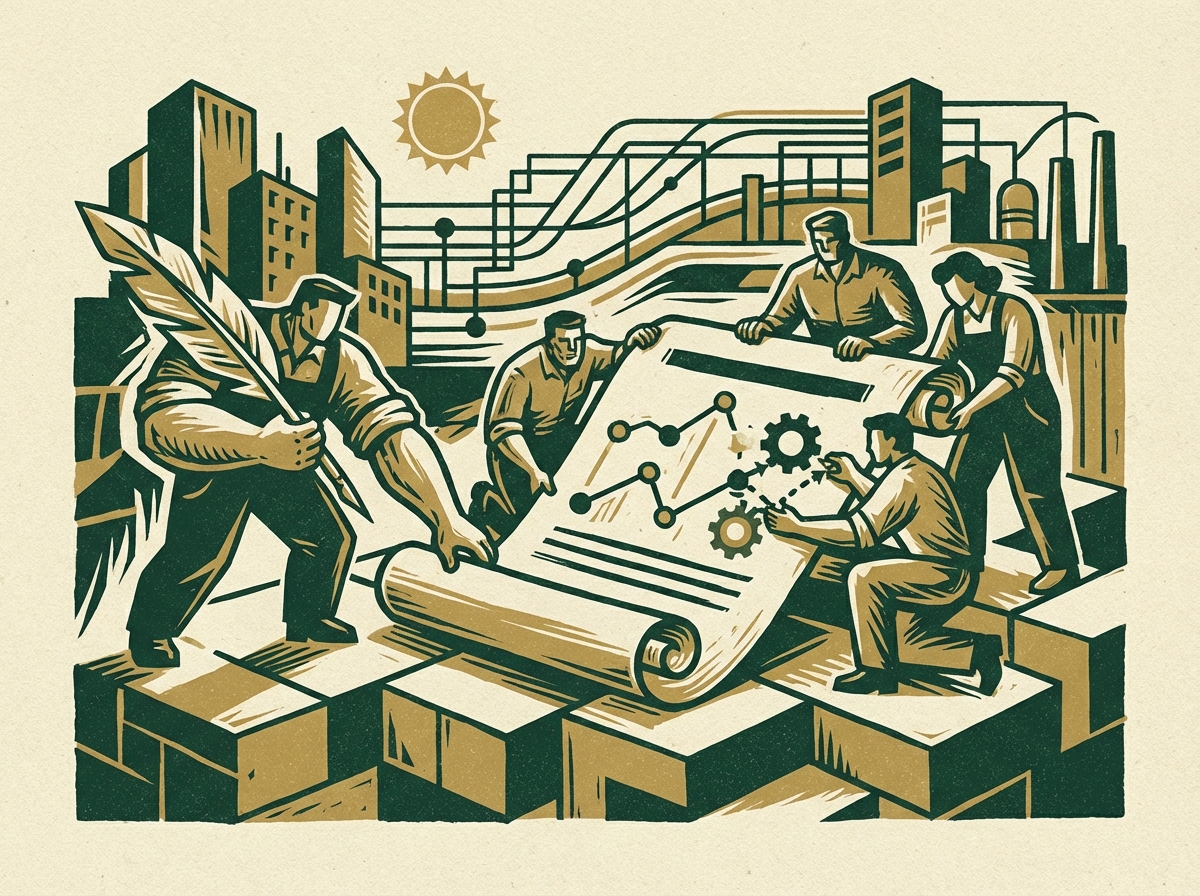
A data governance charter is a formal document that establishes the policies, roles, and standards for managing data across an organization. Think of it less as a rulebook and more as a constitution for your company’s data. It’s a social contract that outlines who has ownership of which data, how key metrics are defined, and what the protocol is for accessing and using information. It’s the critical first step in moving from data chaos to data clarity.
My team typically helps clients structure their charter around these core pillars:
Data Stewardship: Appoint specific owners for key data domains (e.g., the CRO owns CRM data, the CMO owns marketing automation data), but make the CFO the ultimate steward of the unified financial and operational metrics.
Metric Definition Council: Create a cross-functional team, led by Finance, that formally defines and documents every key KPI. What exactly is an “Active User”? What is the precise formula for “Net Revenue Retention”? Write it down. Ratify it. Communicate it.
Access & Security Protocols: Define who can access, edit, and create reports. This isn’t about restricting data; it’s about ensuring data integrity and preventing the re-emergence of shadow analytics.
Tool Standardization: Formally bless a specific set of tools for business intelligence and analytics. This prevents the proliferation of dozens of competing platforms that fragment your data even further.
Tools to Bridge the Gap: Your BI Stack for Better Financial Modeling
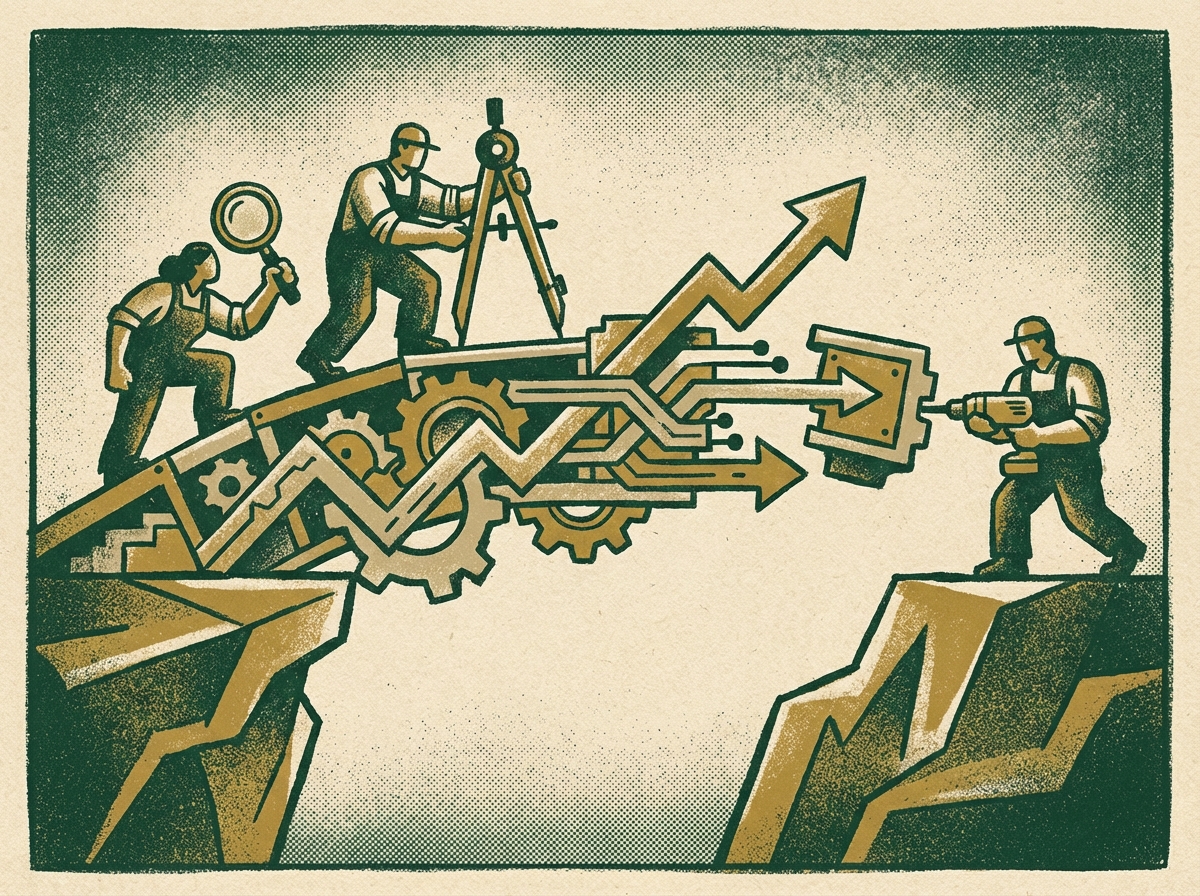
The right Business Intelligence (BI) tool, when implemented under a strong data governance charter, becomes the bridge connecting siloed departments to the single source of truth. These platforms sit on top of your data warehouse and provide a user-friendly interface for everyone—from an analyst to the CEO—to explore data and build reports from the same sanctioned source. There are dozens of options, but most of our clients in the >$5M space end up choosing between the big three: Looker, Tableau, and Microsoft’s Power BI.
Choosing the right one depends entirely on your existing tech stack, team skillset, and budget.
No tool is a magic bullet. The technology is just an enabler. A powerful BI tool without a data governance charter is like giving a sports car to a teenager with no driver’s license: it’s going to be fast, exciting, and end in a very expensive crash.
Frequently Asked Questions
Why is siloed data a financial risk?
Siloed data is a significant financial risk because it creates multiple, conflicting versions of key business metrics. This discord leads to poor strategic decisions based on flawed or incomplete information, wastes executive time on reconciling numbers instead of driving growth, and can result in costly mistakes in areas like inventory management, marketing spend, and financial forecasting. The lack of a single source of truth directly undermines the integrity of all financial modeling.
How can the CFO unify data across departments?
The CFO can unify data by championing the creation of a ‘Single Source of Truth’ (SSoT) and establishing a formal data governance charter. This involves leading a cross-functional initiative to standardize KPI definitions, appointing data stewards, and selecting a centralized BI platform. By positioning the finance function as the impartial arbiter of data, the CFO transforms from a scorekeeper into the company’s data architect, ensuring all departments work from a single, trusted set of numbers.
What is the ‘Single Source of Truth’?
A ‘Single Source of Truth’ (SSoT) is a data management concept where all of an organization’s critical data is stored in a single, centralized location. This ensures that everyone in the company, regardless of their department, uses the exact same data for their reporting and analysis. It eliminates discrepancies and arguments over which numbers are “correct,” providing a trusted foundation for all business decisions and strategic planning.
