

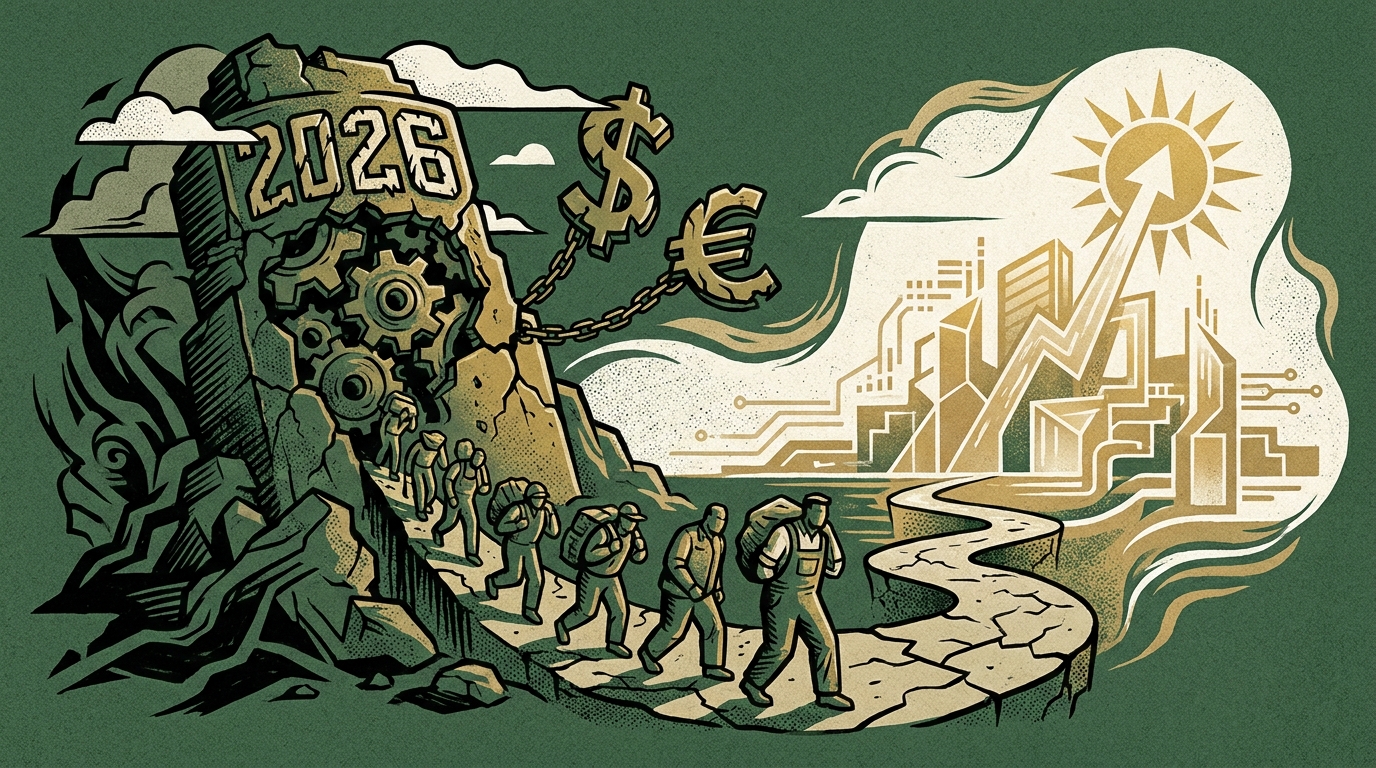
The Hidden Costs of Legacy ERPs: Why 2026 is the Year to Migrate
Published: 2026-05-17 • Estimated reading time: 9 min
I was on a call last week with the CEO of a mid-market manufacturing company, a sharp guy who’s tripled revenue over the last decade. He was describing his company’s core software—its Enterprise Resource Planning (ERP) system—and he used a phrase I hear all too often: “It’s not great, but it works.” What he meant was that it used to work. Now, it’s a Frankenstein’s monster of patches, workarounds, and institutional knowledge trapped in the heads of a few veteran employees. The real story, lurking just beneath the surface, is the daily financial hemorrhage this “working” system causes. This isn’t just a tech problem; it’s a multi-million dollar business problem disguised as an IT line item. And for many, the clock is ticking. For any business that wants to thrive, not just survive, the strategic guidance of a virtual CFO is essential to navigate the coming mandatory shift away from these legacy systems before 2026.
The Sunk Cost Fallacy: Why Companies Cling to Broken Systems
The sunk cost fallacy is the psychological trap that makes a CEO continue to pour money into a failing project simply because they’ve already invested so much. Your legacy ERP is the quintessential example of this. It’s the expensive, custom-built system from 2010 that you’ve spent a fortune maintaining, and the thought of abandoning it feels like admitting a massive, expensive defeat. But clinging to it is like refusing to ditch a car that spends more time in the shop than on the road because you just paid for new tires. The past investment is gone. The only thing that matters now is the future cost of inaction.
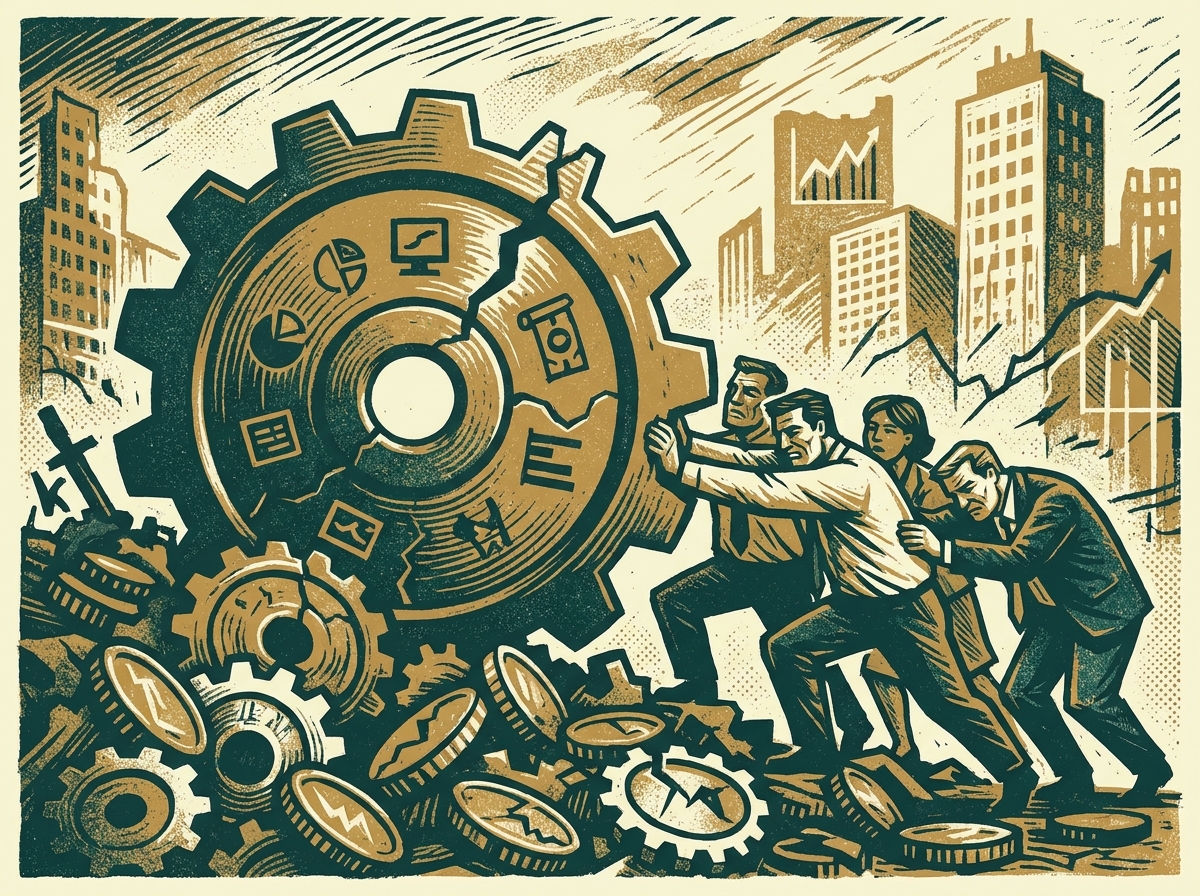
This inertia creates a dangerous form of “technological debt,” where the short-term fix of delaying an upgrade creates a much larger, more complex problem down the line. According to one report, maintenance of legacy systems can consume up to 90% of IT budgets, leaving almost nothing for innovation or growth. My team sees this constantly. The conversation shifts from “How can we grow?” to “How can we keep the old system from crashing this quarter?” That’s not a strategy; it’s a hostage situation.
Quantifying the Damage: Manual Entry, Vendor Delays, and Lost Discounts
The hidden financial toll of a legacy ERP stems from the operational bottlenecks it creates every single day. Because these old systems don’t talk to modern software, your team is stuck in a hellscape of manual data entry, exporting CSVs, and toggling between a dozen different screens to do one simple task. This isn’t just inefficient; it’s catastrophically expensive.
Consider your accounts payable process. A modern, cloud-based ERP can automate invoice capture, matching, and payment approvals. A legacy system requires a human to manually key in every line item. This introduces errors, slows down the entire process, and directly damages your supplier relationships. According to research from Panorama, 40% of ERP implementations cause major operational disruptions post-launch, often because the legacy mindset of manual work is carried over. But the cost of not migrating is even higher.
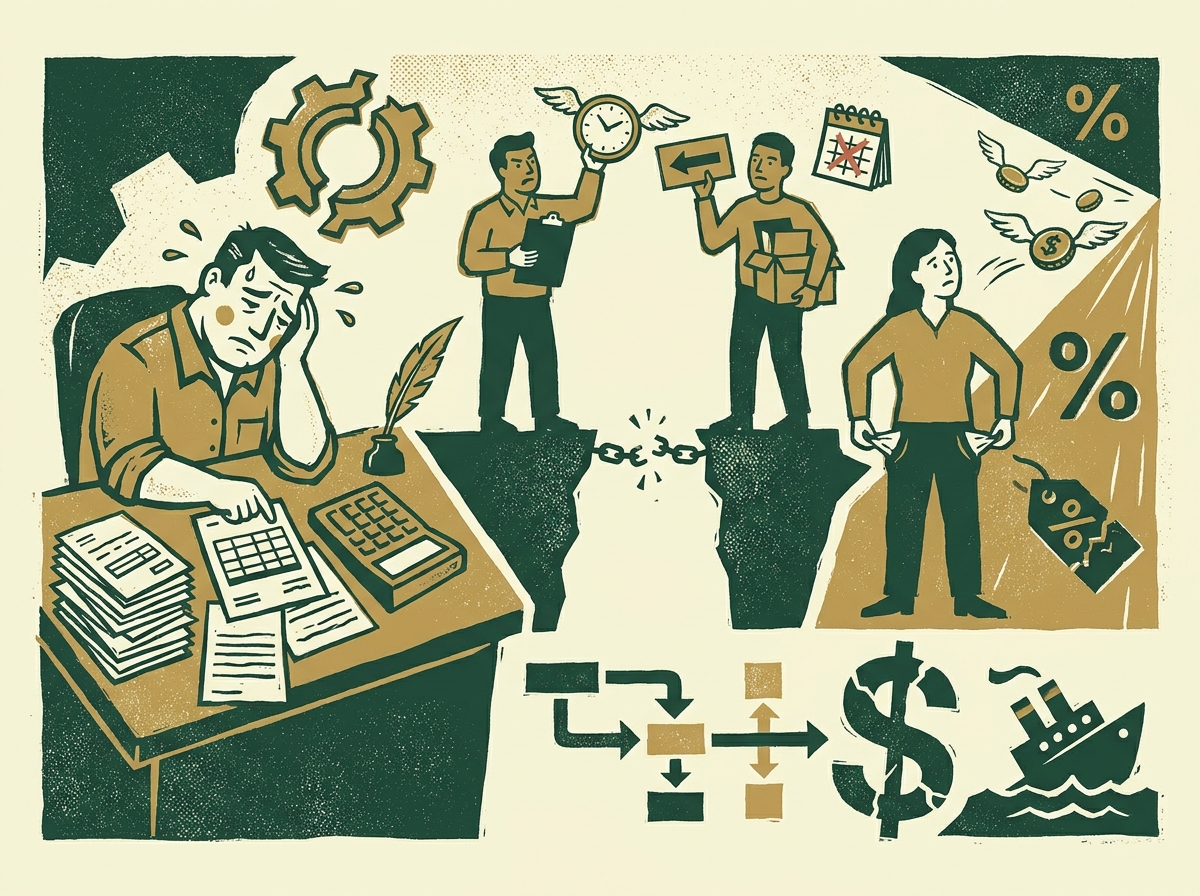
When your AP team is buried in paperwork, invoices get paid late. This isn’t just an annoyance for your vendors; it’s a direct hit to your bottom line. You miss out on early payment discounts—that “free money” of 1-2% your suppliers offer. Worse, you become known as a slow-paying customer. In an era of supply chain volatility, do you really want to be at the bottom of your most critical supplier’s priority list? That’s not a hypothetical question. I’ve seen clients lose key suppliers over payment delays that were entirely the fault of their outdated software.
The Security Threat: Legacy Servers in an Era of Advanced Cyber Attacks
Cybersecurity risks in legacy ERP systems represent a clear and present danger to your company’s survival. Running a business on an on-premise ERP that’s no longer receiving security updates is the digital equivalent of storing your cash in a shoebox in a park. You’re not just vulnerable; you’re an open invitation for a cyber attack. These outdated systems lack the modern architecture needed to defend against today’s sophisticated ransomware and phishing schemes.
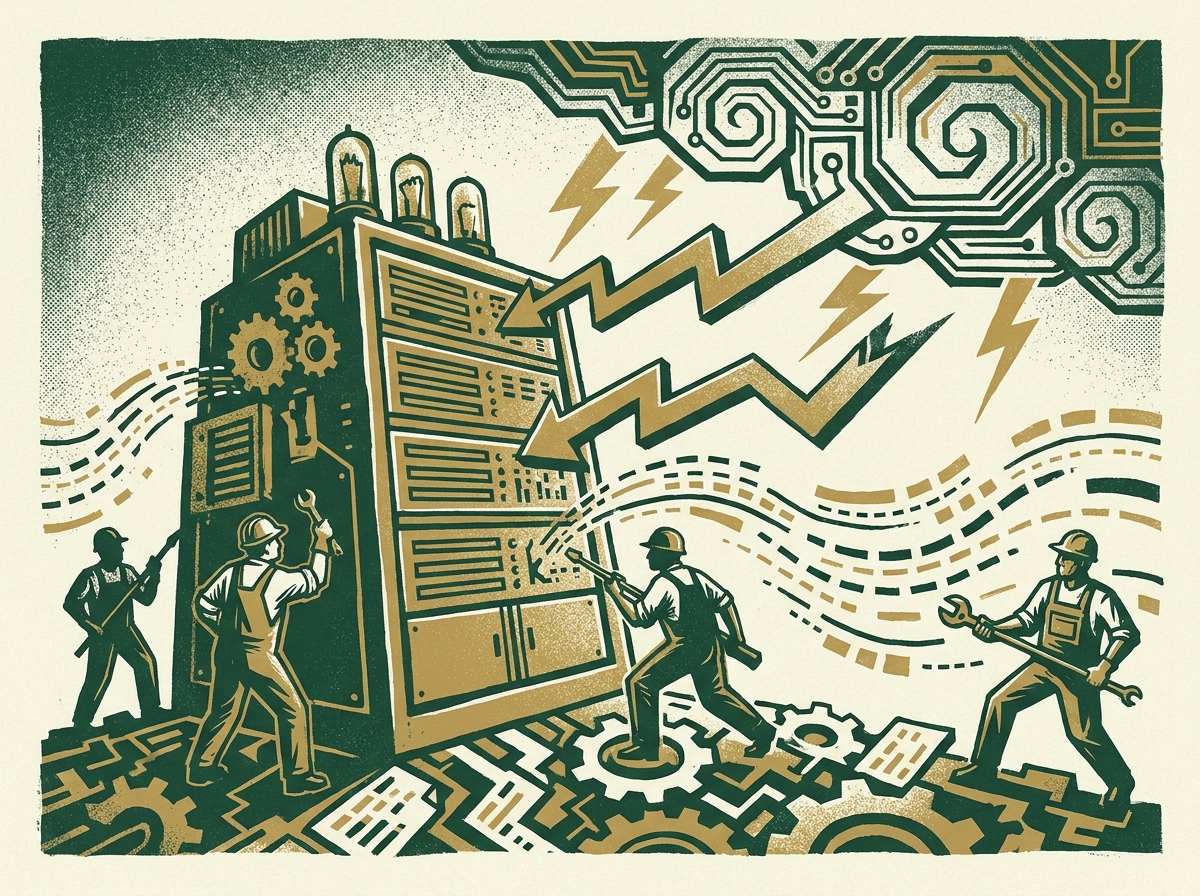
As noted by Centric Consulting, legacy systems often use outdated data encryption standards and have unpatched vulnerabilities that hackers actively seek out. A single breach doesn’t just mean downtime; it means lost data, regulatory fines, and a catastrophic loss of customer trust. The average cost of a data breach is now in the millions. Can your balance sheet absorb that kind of hit? With IT compliance regulations becoming more stringent by 2026, clinging to that old server isn’t just bad practice—it’s a direct threat to your corporate liability.
The ROI of Cloud Migration: API Connectivity and Real-Time Visibility
The return on investment from a cloud migration is driven by the system’s ability to connect and share data seamlessly. Modern cloud ERPs are built around API connectivity, which is a fancy way of saying they are designed to easily “talk” to your other critical business software—your CRM, your e-commerce platform, your inventory management tool. This eliminates the data silos that cripple legacy systems, providing a single source of truth for your entire operation.
Instead of waiting for a month-end report, you get real-time visibility into your cash flow, inventory levels, and sales pipeline. This is the difference between driving while looking in the rearview mirror and driving with a live GPS. This enhanced data visibility allows you to make smarter, faster decisions. For example, by integrating your ERP with your supply chain software, you can anticipate stockouts and reroute shipments before they become a problem, a capability that ToolsGroup reports can reduce inventory costs by up to 35%.
Here’s a simple breakdown of the operational shift:
How Your Virtual CFO De-Risks the Implementation Process
A virtual CFO is the ideal leader to de-risk and spearhead your ERP implementation because they bring a unique combination of financial acumen, technological understanding, and objective, project-based focus. Unlike an internal finance leader who is already consumed by daily operations, or an IT team focused purely on the tech, a virtual CFO sits at the intersection of finance, operations, and strategy. Their entire purpose is to ensure the project delivers a measurable return on investment.
My team at Greenwood Business Consultants has led dozens of these migrations. We don’t just help select the software; we manage the entire digital transformation. This includes:
Building the Business Case: We quantify the hidden costs of your current system and model the ROI of a new one, creating a bulletproof proposal for your board and stakeholders.
Vendor Selection: We navigate the complex landscape of ERP vendors to find the right fit for your specific industry and operational needs, not the one with the flashiest sales pitch.
Change Management: We work with your teams to redesign workflows and ensure user adoption. The best software in the world is useless if your people don’t know how—or don’t want—to use it.
Implementation Oversight: We serve as the single point of accountability, coordinating between the software vendor, your internal team, and any third-party integrators to keep the project on time and on budget.

Research from Deloitte backs this up, finding that digital projects with active CFO leadership are 2x more likely to succeed. By engaging a virtual CFO, you’re not just buying expertise; you’re buying a strategic partner dedicated to making this critical transition a resounding success.
Frequently Asked Questions
What are the hidden financial costs of maintaining a legacy ERP system?
The hidden financial costs include lost productivity from manual data entry, missed early payment discounts from slow AP processing, inflated inventory costs due to poor visibility, and the high cost of specialized IT staff required to maintain outdated code. These operational inefficiencies add up to a significant drain on profitability that rarely appears as a single line item on the P&L.
How does outdated financial software damage supplier relationships?
Outdated financial software damages supplier relationships primarily through payment delays and communication breakdowns. When your ERP can’t efficiently process invoices or track payment statuses, you pay suppliers late, which can lead to them holding back shipments, revoking credit terms, or even terminating the relationship in favor of more reliable customers. This directly impacts your supply chain resilience and material costs.
Why should a virtual CFO lead the charge on cloud ERP migration?
A virtual CFO should lead a cloud ERP migration because they provide an objective, financially-driven perspective that is crucial for success. They bridge the gap between IT and the executive team, ensuring the project is measured by its business impact and ROI, not just its technical implementation. Their fractional nature also makes them a cost-effective choice for leading a complex, one-time project without adding permanent headcount.
