

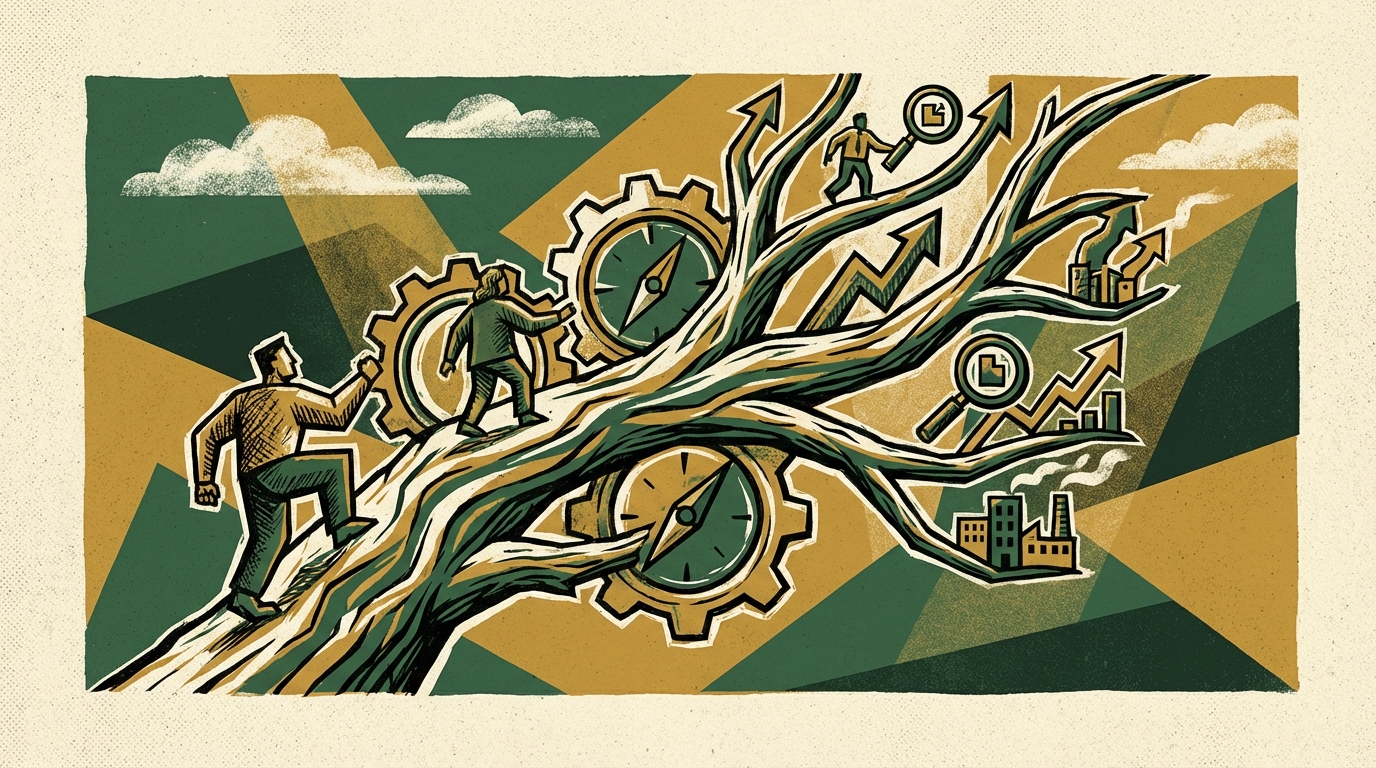
The Greenwood Growth Map: A Diagnostic
Published: 2026-03-10 • Estimated reading time: 9 min
I recently sat down with the CEO of a robotics company that had just crossed the $20 million revenue mark. On paper, they were a rocket ship. In reality, the founder was sleeping at the office, his leadership team was a revolving door, and every dollar of profit felt like it was earned with a pint of blood. “We’re growing,” he told me, “but I feel like we’re about to break.”
He wasn’t wrong. His company was a classic case of mismatched maturity—a Stage 3 revenue engine bolted onto a Stage 1 operational chassis. This is precisely the kind of silent, value-eroding friction my team and I designed the Greenwood Growth Map to diagnose. It’s an organizational diagnostic tool that eschews vanity metrics for a hard look at your company’s financial and operational maturity. This kind of strategic financial planning isn’t about budgeting; it’s about architecting a business that can withstand the gravitational forces of its own success.
By mapping your company’s maturity, you gain startling clarity on the hidden constraints—operational, financial, and organizational—that are silently holding you back. This allows you to stop firefighting and start making the precise, targeted investments that compound returns exponentially, not just sequentially.
Mapping the Journey: Where Are You?
The Greenwood Growth Map is a business maturity model that charts a company’s evolution through three distinct stages: Foundation, Acceleration, and Scale. Unlike traditional models that focus purely on revenue or headcount, our map assesses the underlying financial and organizational systems. It’s a framework for strategic financial planning that tells you not just where you are, but what to do next. It’s the difference between driving with a roadmap and navigating by the stars—one is a strategy, the other is a wish.
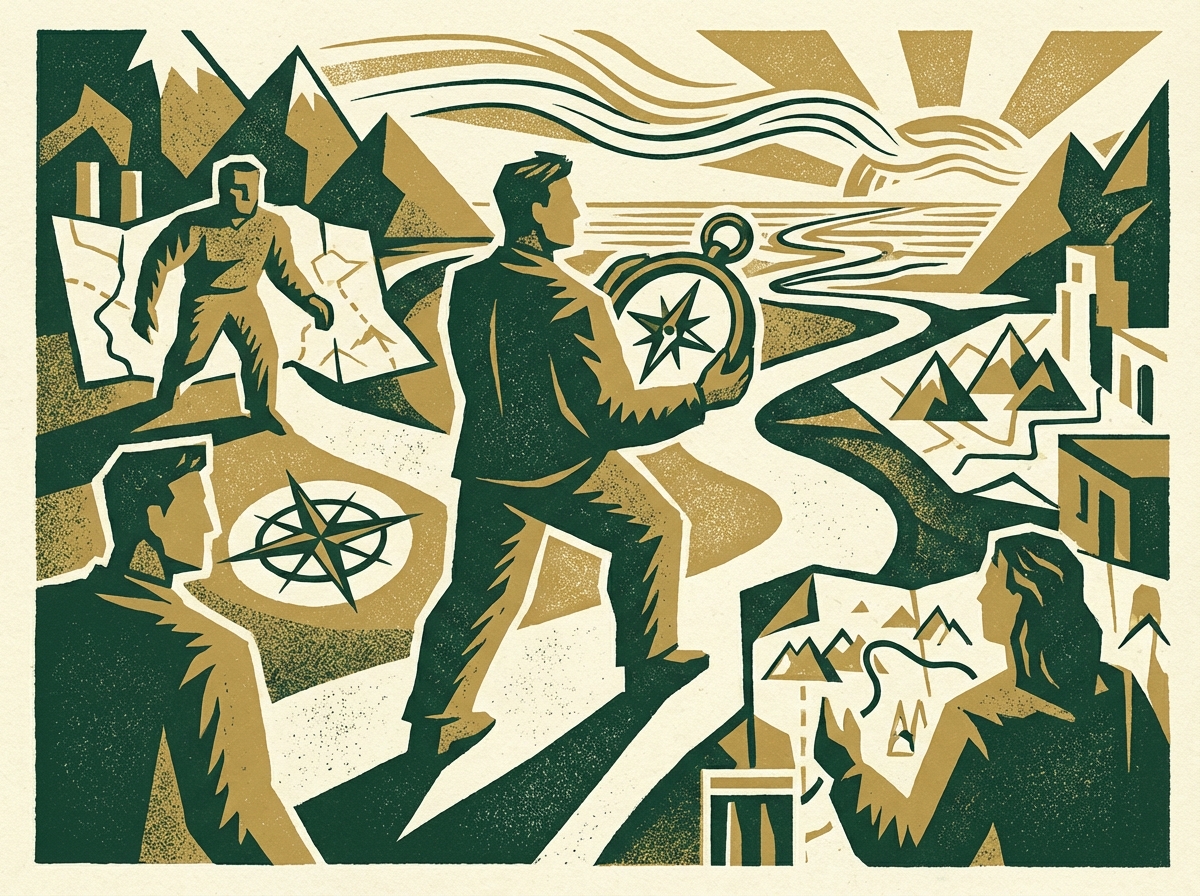
I’ve seen companies with $50M in revenue stuck in the Foundation stage, constantly wrestling with cash flow crises, while scrappier $10M firms operate with the discipline of a Scale-stage enterprise. The stage you’re in is defined by your core challenge, not your top-line number.
Here’s a high-level look at the journey:
Stage 1: Foundation (Fixing the Cash)
The Foundation stage is focused entirely on achieving unwavering control over your company’s cash flow and establishing financial stability. This is the bedrock upon which all future growth is built. If your cash flow is a mystery, you don’t have a business; you have a very stressful hobby. The primary goal here is to fix the cash engine before you try to redline it.
Symptoms of a Weak Foundation
You might be stuck in this stage if you recognize these patterns:
Constant “Surprise” Cash Crunches: You’re profitable on your P&L statement but perpetually short on cash to make payroll or pay vendors.
Opaque Financials: Your financial reports are historical artifacts delivered weeks after the month closes, not real-time decision-making tools.
Hero-Based Operations: The business relies entirely on the founder and a few key people to solve every problem. Processes are tribal knowledge, not documented systems.
Debt Dependency: Your operating line of credit isn’t a strategic tool; it’s the only thing keeping the lights on.
It’s a brutal reality, but according to research from Agicap, a shocking number of business failures aren’t due to a lack of customers or a bad product, but poor cash flow management.
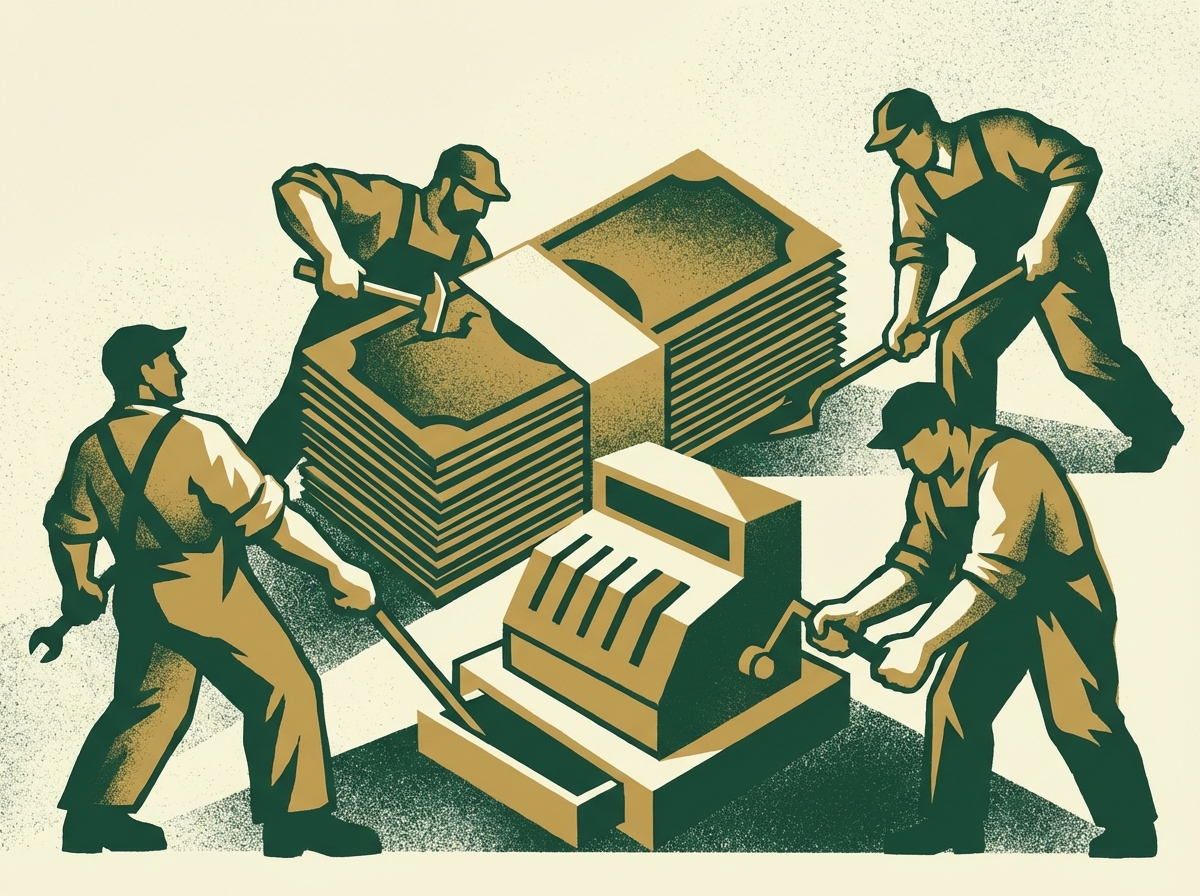
The Priority: Master Working Capital
Graduating from the Foundation stage requires a maniacal focus on working capital efficiency. This means shortening your cash conversion cycle. You need to get paid faster by customers (Accounts Receivable), pay your own bills a little slower (Accounts Payable), and carry only the inventory you absolutely need. This isn’t glamorous work. It’s about building dashboards, implementing controls, and creating a culture of financial discipline. It’s about ensuring that every dollar of growth doesn’t require another dollar of outside capital to fund it.
Stage 2: Acceleration (Building the Team)
The Acceleration stage is defined by the intentional shift from a founder-centric organization to a system-driven one. Having stabilized the cash situation, the primary constraint on growth is no longer money; it’s the founder’s time and capacity. The goal is to build a machine—a scalable operating model with a strong leadership team at the helm—that can run and grow without the CEO’s daily, hands-on intervention.
The Founder’s Dilemma: Letting Go
This is often the most emotionally difficult stage for a founder. You’ve built this thing with your bare hands, and now you have to hand the controls over to others. The temptation is to remain the “Chief Problem Solver.” Resisting this is the single most important act of leadership in this phase. As experts at McKinsey note, scaling the organization is fundamentally about scaling your leadership team’s capabilities.
Symptoms that you’re hitting the Acceleration ceiling include:
High turnover among senior hires who feel micromanaged.
The founder remains the bottleneck for all major (and many minor) decisions.
Growth stalls or becomes chaotic because operational systems can’t keep up with sales.
Profit margins begin to erode as complexity and inefficiency creep in.
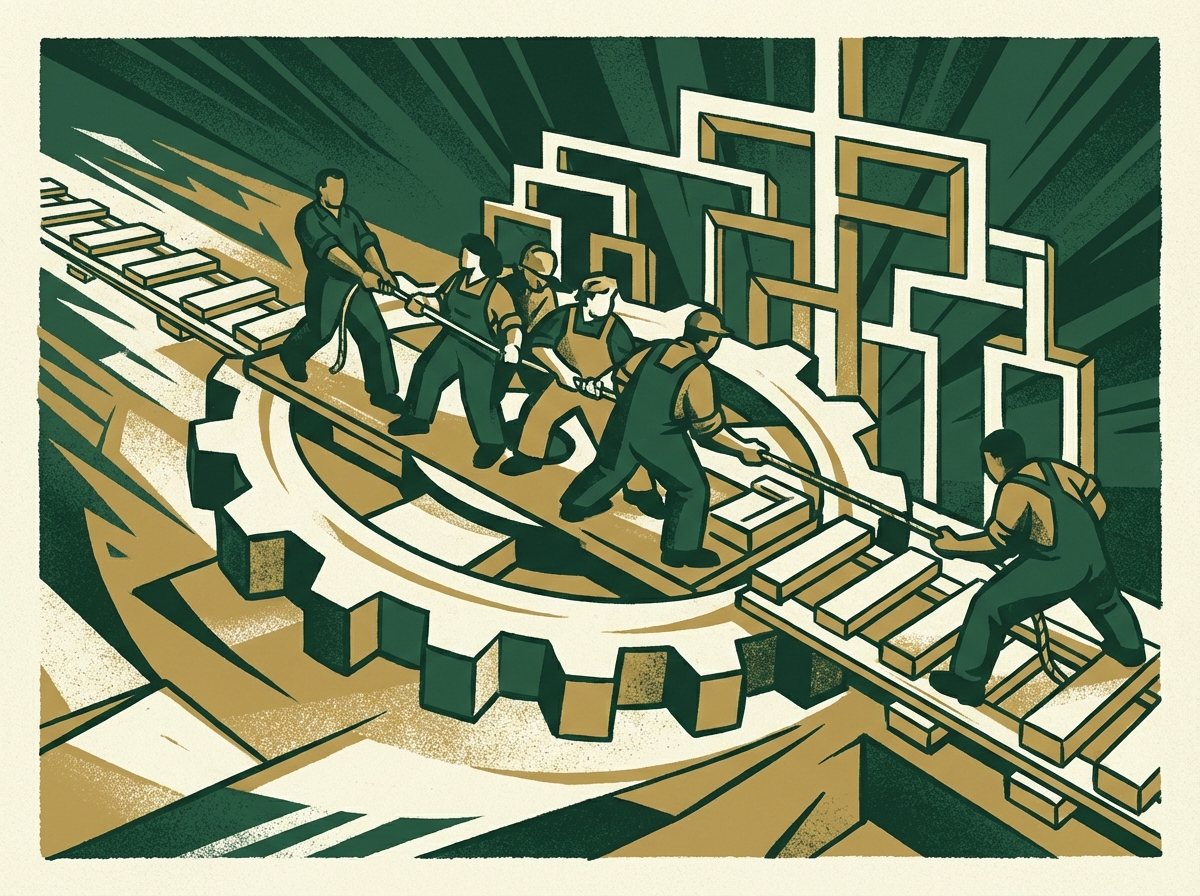
The Priority: Build the Leadership Engine
Success in the Acceleration stage is measured by your ability to hire leaders who are better than you in their respective domains and empower them completely. It’s about investing in the systems—financial, operational, and cultural—that allow for effective delegation. Your job shifts from making decisions to building the framework within which your team makes great decisions. This requires a robust organizational capability assessment to identify gaps before they become crises. In fact, a 2025 outlook from ChiefExecutive.net highlighted that developing the next generation of leaders is a top concern for over 60% of CEOs heading into 2026.
Stage 3: Scale (Optimizing the Exit)
The Scale stage is where the focus elevates from operational execution to strategic value maximization. The business is no longer a fragile startup; it’s a durable asset. At this level of financial maturity, the CEO’s primary role is that of a chief capital allocator and visionary, making decisions that directly influence the company’s enterprise value multiple. Whether the goal is an acquisition, a private equity event, or building a 100-year company, the playbook is the same: optimize for long-term, defensible value.
Beyond Growth for Growth’s Sake
At this stage, you’re no longer just chasing revenue. You’re balancing growth with profitability, aiming for benchmarks like the “Rule of 40,” which, as explained by Software Equity Group, posits that a healthy software company’s growth rate plus its profit margin should equal or exceed 40%. This demonstrates an ability to scale efficiently—a key indicator for investors and acquirers.
Here, the critical questions change:
Which new markets offer the highest risk-adjusted return on investment?
Should we build, buy, or partner to enter a new product category?
How can we strengthen our competitive moat—is it our brand, our technology, our data?
What story do our financials tell a potential acquirer about future growth?
The Priority: Architecting Enterprise Value
Your strategic alignment must be perfect. Every department, from engineering to marketing, needs to understand how their KPIs contribute to enterprise value. This involves rigorous financial modeling, identifying and tracking non-financial KPIs that drive future revenue, and building a narrative that resonates with the capital markets. According to a recent survey by EY, companies that proactively manage their value creation story achieve significantly higher exit multiples. It's about making your company’s future look even more compelling than its past.
Frequently Asked Questions
What are the stages of the Greenwood Growth Map?
The Greenwood Growth Map outlines three stages of business maturity: Stage 1 (Foundation), focused on achieving cash flow stability; Stage 2 (Acceleration), focused on building scalable systems and a leadership team; and Stage 3 (Scale), focused on optimizing enterprise value for an exit or long-term legacy.
How do I know if my business is ready to scale?
A business is ready to scale when it has graduated from the Foundation stage. This means you have predictable cash flow, clear and timely financial reporting, and basic operational processes that don't depend entirely on the founder. Attempting to scale before these elements are in place often leads to chaotic growth and financial instability.
What is the priority for the Foundation stage?
The absolute, non-negotiable priority for the Foundation stage is mastering cash flow management and working capital. This involves optimizing your cash conversion cycle by improving accounts receivable, managing accounts payable, and ensuring your business generates enough cash to fund its own growth without constant external capital infusions.
