

The CFO as Co-Pilot: Reframing Finance From Scorekeeper to Strategist
- Executive financial leadership stops being a cost center the moment finance owns the questions behind the numbers, not just the numbers themselves.
- The reactive finance chief asks "what happened last month?" The co-pilot asks "what should we do next?" and only 9% of finance teams have made that leap.
- Capital allocation is the core craft: the best companies reallocate more than 60% of capital across the business over a decade, while roughly a third stays frozen in place.
- A co-pilot CFO installs an operating rhythm with the founder, a recurring cadence where numbers turn into decisions about the next dollar, hire, and quarter.
- Founders who put a real finance partner close to strategy are 1.9x more likely to outperform on return on capital, so proximity to the decision is the whole game.
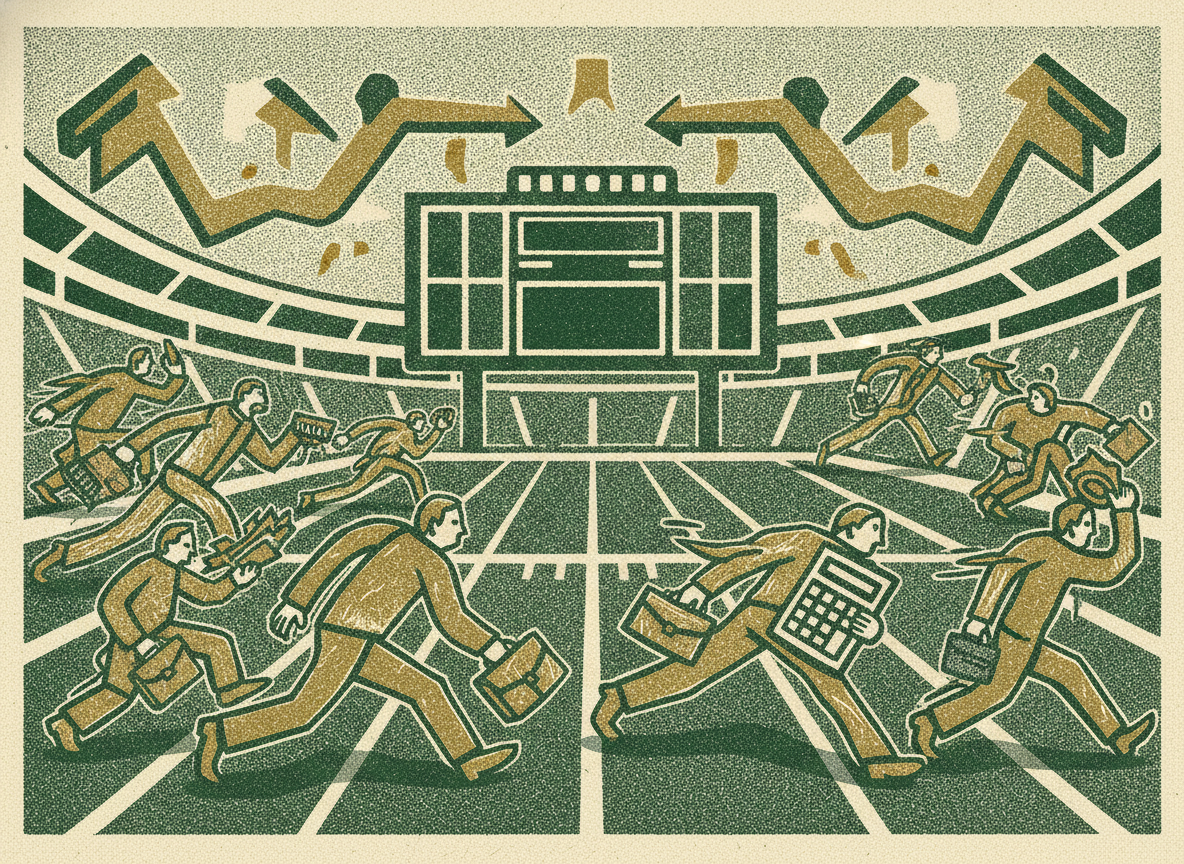
I have watched a lot of founders treat their finance function like the scoreboard at a ballgame. It tells you what already happened, it is usually right, and it changes nothing about the next pitch. That is the trap of finance as pure scorekeeping, and it is the reason so many CEOs quietly decide the CFO seat is overhead. Executive financial leadership only earns its keep when it moves from the scoreboard to the cockpit. My argument is simple: the CFO should be the founder's co-pilot, owning the questions behind the numbers rather than reporting the numbers after the fact.
The shift is already underway across the market. According to Workday's 2025 finance research, 55% of finance chiefs say finance is becoming a more embedded strategic partner, and 69% expect a heavier emphasis on data and analytics over the next five years. The direction is set. Most teams just have not made the turn yet.
The Limits of Scorekeeping
Scorekeeping tells you the past with precision and the future with nothing. A clean close, an accurate P&L, a variance report that ties to the penny: all necessary, none of it strategic. The problem is not accuracy. The problem is that a report of last month is a report of a decision you can no longer change.
The cost of living in the rearview mirror is real. Workday found that 82% of companies still make decisions on stale information, and 85% say that outdated data leads to wrong calls and lost revenue. When finance only looks backward, the whole company inherits its lag. Meanwhile the finance team itself stays stuck: industry surveys show that only 9% of finance and planning teams act as true strategic partners, with nearly half of their time swallowed by collecting and validating data instead of interpreting it.
This is the same reason I keep telling founders that revenue growth became the CFO's job again. A scorekeeper counts the runs. A co-pilot helps you win the game. The two roles use the same ledger and produce entirely different companies.

Owning the Questions, Not Just the Numbers
A strategic finance leader owns the questions, and the questions are where the value hides. Anyone with a good controller can tell you what gross margin was. Far fewer can tell you which three customers are quietly dragging it down, whether that is a pricing problem or a mix problem, and what you should do about it before the board meeting.
That distinction is exactly the line between a controller and a CFO. As the team at Anders CPA puts it, the controller is inward-facing and makes sure the numbers are right, while the CFO is outward- and forward-facing, using those numbers to guide strategy and the founder's biggest bets. Both roles matter. They are not the same person's job, which is why I spend real time helping founders figure out when to hire their first controller so the strategic seat is free to think.
Owning the questions means finance shows up to the conversation before the decision, not after it. What does the forecast imply for hiring? Which bet do we fund and which do we starve? What is the number actually telling us about the strategy? When finance answers those, the CEO stops treating it as a reporting line and starts treating it as a thinking partner.

Capital Allocation, the Core Craft of Executive Financial Leadership
If a co-pilot CFO has one signature craft, it is capital allocation: deciding where the next dollar, person, and hour should go. This is the highest-leverage work in the building, and it is chronically underdone. McKinsey's research on capital allocation found that roughly a third of a company's capital stays essentially frozen year to year, a habit they call resource allocation inertia, while the companies that create the most value reallocate more than 60% of capital across the business over a decade.
The founders who get this right are not smarter. They have a partner close to the decision. Separate McKinsey work on value creation shows that organizations where the finance and strategy leader meaningfully influences the CEO's thinking on resource allocation are 1.9x more likely to outperform on return on capital. Proximity to the decision is the edge.
Here is the contrarian part most founders miss. Capital allocation is not a spreadsheet output, it is a governance craft. As McKinsey's Aaron De Smet and Tim Koller argue, good allocation "starts with governance and should be led by the CEO", built on a standardized decision process rather than a gut call each quarter. The co-pilot CFO does not seize that decision from the founder. They build the process that makes it repeatable, and they force the honest comparison between competing bets. If you want the mechanics, I laid them out in where your next dollar should go.
Building an Operating Rhythm With the Founder
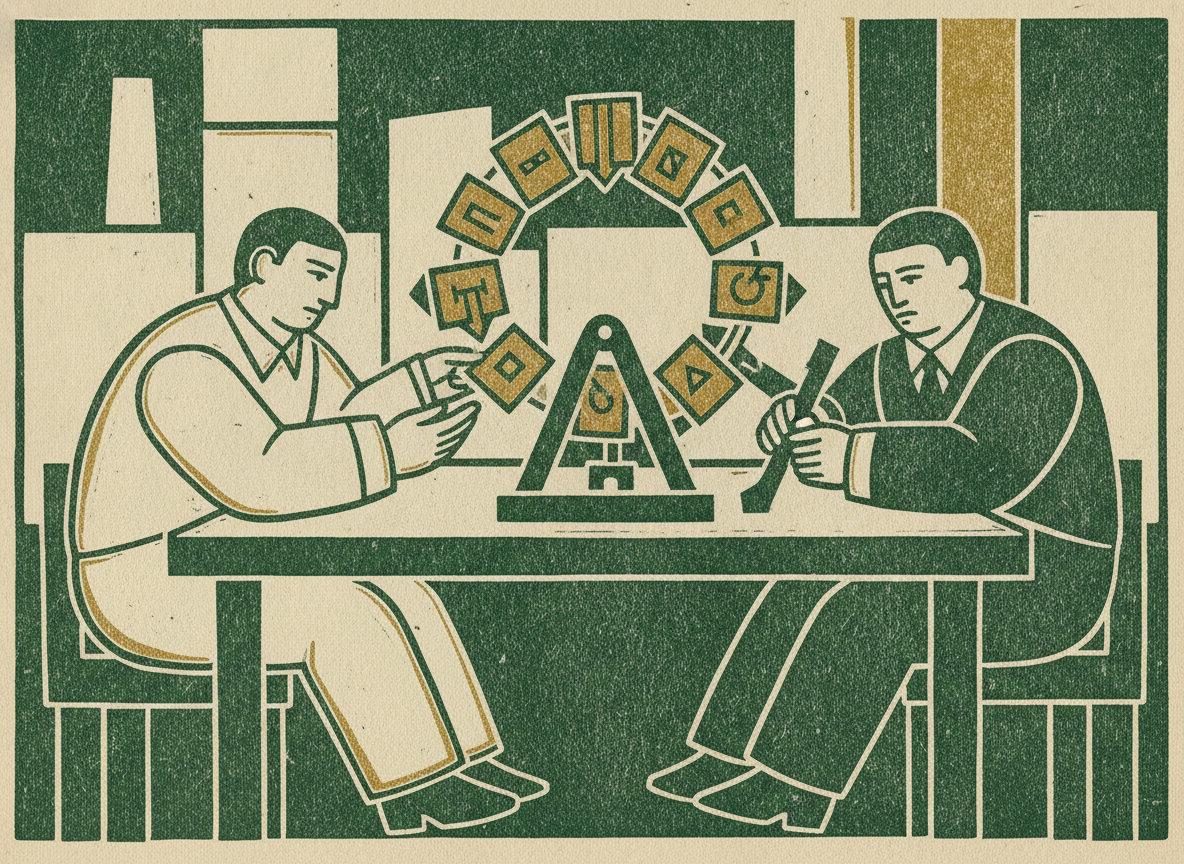
A co-pilot relationship runs on rhythm, not on heroics. The value does not come from one brilliant board deck a quarter. It comes from a steady cadence where the numbers become decisions on a schedule the founder can count on: a weekly cash and pipeline check, a monthly review that ends in choices rather than recaps, a rolling forecast that updates instead of a budget that rots.
That rhythm is what turns raw finance into shared decision-making. When it works, the founder starts reading the business without a translator, which is the goal. I spend a good share of my time coaching founders to read their own financials precisely because a co-pilot's job is to make the pilot better, not to hoard the instruments. The best signal that the rhythm is working is boring: the monthly meeting produces two or three clear decisions and everyone already knows what the numbers said before they walk in.
None of this requires a full-time hire. Plenty of companies get executive financial leadership on a fractional basis long before they can justify a seven-figure finance chief, which is the whole logic behind the fractional versus full-time CFO decision. What matters is that someone senior owns the rhythm, not how many days a week they are in the building.

What Executive Financial Leadership Looks Like From the Founder's Seat
From the founder's seat, a co-pilot CFO should feel like decision support, not oversight. You should leave finance conversations with fewer open questions and a clearer next move, not a longer to-do list of reports to read. If your finance function only tells you what already happened, you have a scorekeeper. If it changes what you do next, you have a co-pilot.
Expect three things. First, questions before answers: a good partner reframes the problem before quantifying it. Second, a point of view, because a co-pilot who only presents options is just a slower spreadsheet. Third, a bias toward the decision, where every analysis ends in "so here is what I would do." The market is moving this way fast, with a majority of finance chiefs now claiming a leading role in shaping strategy, but the title does not confer the skill. The rhythm and the questions do.
The reframe I want every founder to keep is this. Finance that reports the past is a cost. Finance that owns the questions behind the next dollar is leverage. Hire, or rent, for the second one.

Frequently Asked Questions
What Is a Strategic CFO?
A strategic CFO moves beyond reporting results to owning the questions behind them: forecasting, capital allocation, and decision support that shape where the business goes next. The role is forward-looking rather than backward-looking, and it sits close to the CEO's biggest choices.
How Is a CFO Different From a Controller?
A controller makes sure the numbers are accurate and keeps the internal accounting engine running. A CFO is forward- and outward-facing, using those numbers to guide strategy, capital structure, and founder decisions. Growing companies usually need both, in that order.
What Makes a CFO Strategic Instead of Operational?
Ownership of the questions and the decisions makes a CFO strategic. An operational finance leader closes the books and reports variances. A strategic one decides which bets to fund, what the forecast implies for hiring, and where the next dollar should go.
How Does a Fractional CFO Partner With a Founder?
A fractional CFO installs an operating rhythm: a recurring cadence where numbers turn into decisions about capital, hiring, and runway. Partnership comes from the cadence and the point of view, not from the number of days on site.
What Questions Should a CFO Own?
A CFO should own where the next dollar goes, which bets to fund or kill, what the forecast means for hiring and runway, and what the numbers are really saying about the strategy. Owning those questions is the difference between overhead and leverage.
References
- Workday: 2025 Financial Planning Trends Every CFO Should Know
- The Finance Weekly: Top FP&A Surveys and Stats of 2025
- McKinsey: Six Process Improvements for Capital Allocation
- McKinsey: Resource Allocation for Long-Term Value Creation
- McKinsey: Capital Allocation Starts With Governance
- Anders CPA: CFO vs Controller
