

Poor Data Quality: The CFO Mistake That Destroys Automation ROI
Published: 2026-05-11 • Estimated reading time: 8 min
I once walked into the boardroom of a fast-growing logistics company, a $30M player with ambitions of hitting nine figures. The CEO was beaming. He’d just signed a six-figure contract for a new AI-powered forecasting tool. “This thing is going to revolutionize our cash flow management, Winn,” he said. “No more guesswork.”
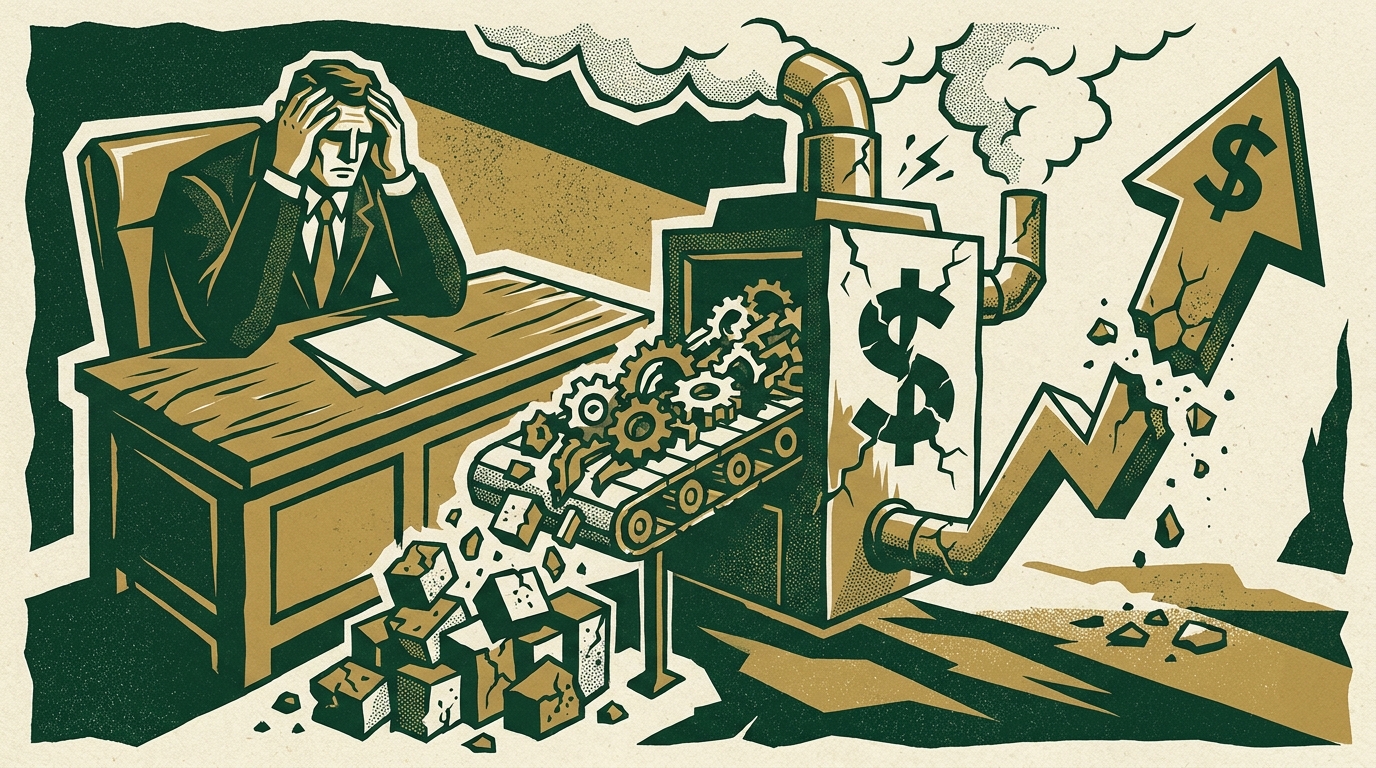
Six months later, I got a panicked call. The revolutionary tool was spitting out predictions that were, to put it mildly, hallucinatory. It forecasted a massive Q3 cash surplus right before their busiest season drained every dollar of working capital. The expensive AI was less a crystal ball and more a magic 8-ball stuck on “Outlook not so good.” The project was a failure, a sunk cost, and a major distraction.
What went wrong? It wasn’t the software. The algorithm was brilliant. The problem was the data it was eating. It was a classic, and costly, case of “garbage in, garbage out.” Their financial data was a mess—a decade of inconsistent category names, duplicate entries, and a chart of accounts that looked like it was designed by a committee of abstract artists. They bought a Formula 1 car but planned to run it on unfiltered swamp water. This is the single biggest mistake I see CFOs and founders make: they believe technology is a magic wand that can fix broken processes and dirty data. It isn’t. An experienced Outsourced CFO knows the real ROI comes from building the data foundation first.
The Expensive Illusion: Buying Software to Fix Process Problems
Automation software is sold as a panacea for operational inefficiency. The pitch is seductive: deploy our platform, and your messy, human-led processes will transform into a sleek, self-running engine of productivity. This illusion is where the financial carnage begins. Companies are doubling down, with a recent Deloitte survey showing that technology transformation is a top priority for CFOs, and many companies expect to double their AI spending in 2026.
The fundamental error is confusing the tool with the system. A sophisticated AI tool layered on top of a chaotic data environment doesn’t create order; it automates the chaos, giving you bad answers faster and with more confidence. Before you even look at a demo, you have to look in the mirror. Are your financial processes documented, standardized, and logical? Or does your accounts payable process depend on “that one weird trick Brenda in accounting knows”?
If your team manually re-categorizes the same vendor transaction ten different ways, an AI will learn ten different, nonsensical patterns. If your sales data lives in one silo and your expense data in another, with no clean integration, your forecasting tool is flying blind. This isn't a hypothetical; it’s the default state for most growing businesses. And it’s why a staggering 85% of AI projects fail to deliver on their promised ROI, according to reporting by TechFunnel.
Data Hygiene: The Unsexy Prerequisite to Artificial Intelligence
Data hygiene is the rigorous process of cleaning, structuring, and maintaining your financial data to ensure it is accurate, consistent, and—most importantly—trustworthy. It’s the unglamorous, behind-the-scenes work of a great finance function, and it is the absolute bedrock of any successful digital transformation. Without it, you’re just building a skyscraper on a swamp.
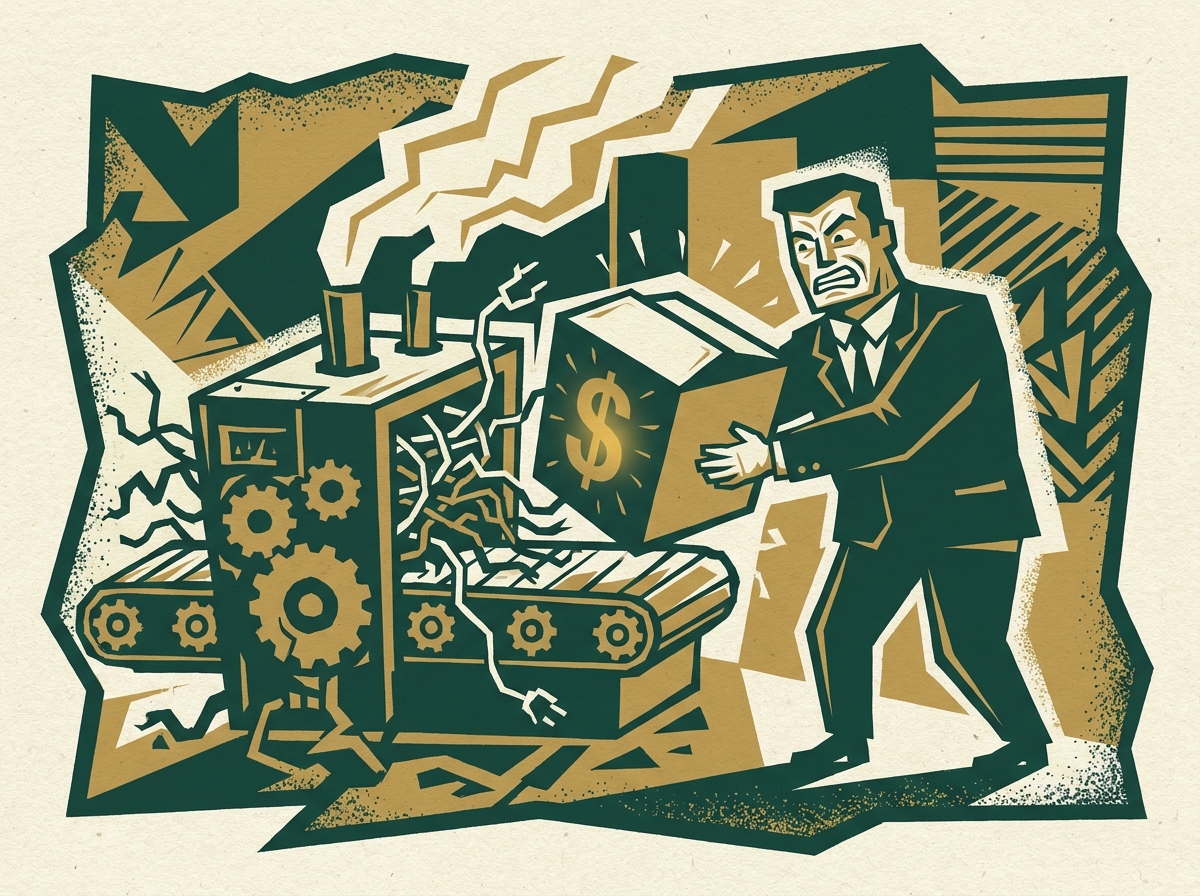
The principle is brutally simple: “Garbage In, Garbage Out” (GIGO). Machine learning algorithms are incredibly powerful pattern-recognition machines, but they are not clairvoyant. They learn from the historical data you provide. If that data is riddled with errors, inconsistencies, or structural flaws, the model will learn and perpetuate those flaws.
Think of it this way:
Inconsistent Vendor Names: Is it “IBM,” “I.B.M. Inc.,” or “International Business Machines”? An AI sees these as three different vendors, destroying your ability to analyze spend.
Mis-categorized Expenses: A software subscription coded to “Office Supplies” one month and “IT Expenses” the next makes trend analysis impossible.
Data Silos: When your ERP, CRM, and payroll systems don’t talk to each other, you have no single source of truth. Your AI is trying to assemble a puzzle using pieces from three different boxes.
Cleaning this up involves a methodical audit and standardization process. It’s not a one-time project; it's a cultural shift toward treating data as a critical company asset. As automation expert Chris Surdak puts it:
“The first rule of any technology used in a business is that automation applied to an efficient operation will magnify the efficiency. The second is that automation applied to an inefficient operation will magnify the inefficiency.”
Restructuring the Chart of Accounts for Machine Readability
The Chart of Accounts (COA) is the backbone of your entire financial reporting system, defining how every dollar of revenue and expense is categorized. A poorly designed COA is the single greatest structural impediment to effective automation. Most COAs were designed by humans, for humans, often evolving haphazardly over years. They are filled with legacy accounts, ambiguous descriptions, and a logic that lives only in the head of a tenured controller. This is poison for a machine learning algorithm that requires clean, logical, and hierarchical data.
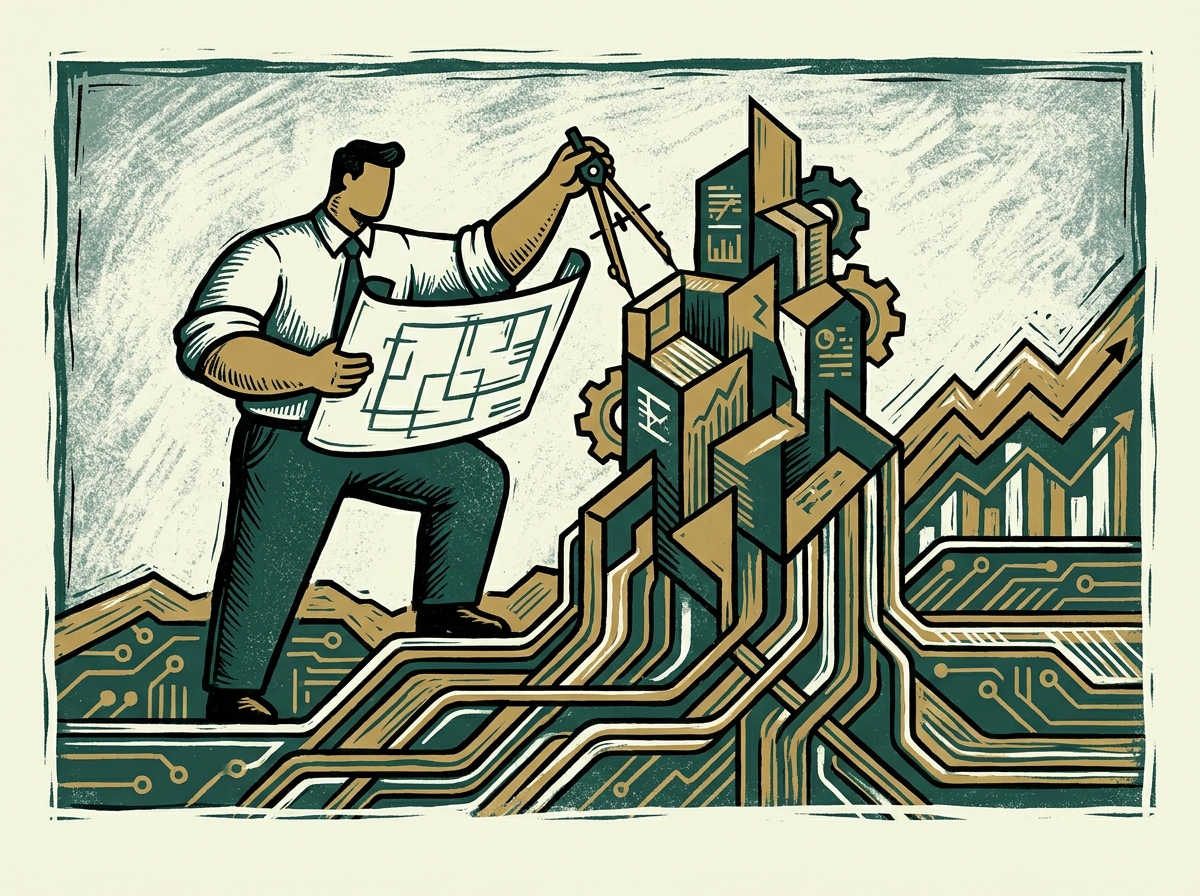
An AI-ready COA, by contrast, is designed with machine readability as a primary goal. It’s built with a clear, hierarchical structure where relationships between parent and child accounts are mathematically sound. It uses a consistent numbering system and standardized naming conventions that leave no room for ambiguity.
Here’s a simplified look at the difference:
My team recently worked with a SaaS company whose COA had over 20 different marketing expense accounts with overlapping definitions. Their “Customer Acquisition Cost” was a fantasy. We rebuilt it from the ground up, structuring it around the actual sales funnel—Top of Funnel (e.g., Google Ads, Content), Middle (e.g., Webinars), and Bottom (e.g., Sales Commissions). Suddenly, their new BI tool could instantly and accurately calculate CAC by channel. The tool didn’t change; the data structure did.
The Outsourced CFO as the Architect of Data Integrity
An Outsourced CFO provides the strategic oversight needed to architect a robust data framework before a single dollar is spent on new technology. Unlike a traditional controller focused on historical reporting, a strategic Outsourced CFO acts as the intersection of finance, operations, and technology. Their job is not just to close the books; it’s to build a financial system that produces trustworthy, forward-looking insights.
This role is critical for a founder who doesn’t have the time or specialized expertise to oversee this foundational work. Here’s what an effective data architect CFO does:
System Audit & Integration: They map your entire financial technology stack—from your ERP to your CRM—to identify data silos and bottlenecks. They then architect a plan for integration, ensuring a seamless flow of data.
Process Redesign: They work with your team to document and standardize key financial processes like accounts payable, expense management, and revenue recognition. This eliminates the operational chaos that creates bad data in the first place.
COA Transformation: They lead the charge in redesigning the Chart of Accounts, as discussed above, creating a logical structure that will serve as the foundation for all future analytics and AI.
Data Governance: They establish clear rules and ownership for financial data, ensuring that the newfound data hygiene is maintained over the long term. It’s not enough to clean the house once; you have to keep it clean.
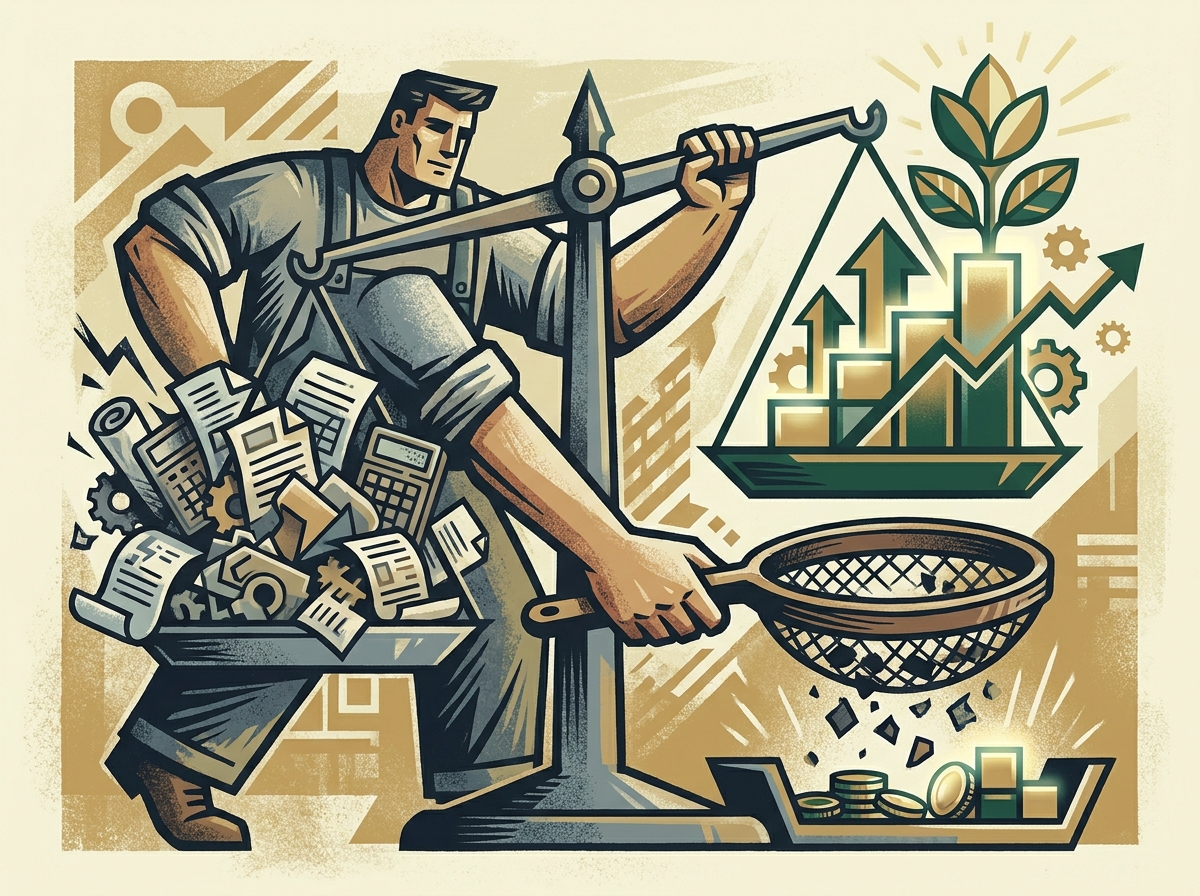
By placing this strategic leader at the helm of the data strategy, you shift your company’s focus from chasing shiny new tools to building an enduring asset: a clean, reliable financial data infrastructure. This is what unlocks the door to real, sustainable automation ROI.
Measuring the True ROI of a Clean Financial Stack
Measuring the ROI of a new software license is easy. Measuring the ROI of cleaning your data is more profound. The true return isn’t just about cost savings; it’s about unlocking new capabilities and de-risking the business. While only 3% of an organization’s data is considered to meet basic quality standards according to Prospeo, improving that number has a massive ripple effect.
When my team builds a clean financial stack for a client, we measure success across four key pillars:
Operational Efficiency: We look at metrics like “days to close the books.” We’ve seen companies go from 20+ days of painful, manual reconciliation down to 5 days. This isn’t just a time-saver; it gives leadership a real-time view of the business 15 days sooner.
Reduced Technology Waste: A clean data stack means you buy the right software and implement it successfully the first time. The average ERP implementation can cost anywhere from $150,000 to $750,000 for a mid-sized company, as noted by Zconsulto. Avoiding a single failed implementation by fixing the data first can pay for the entire data hygiene project several times over.
Increased Strategic Insight: With trustworthy data, forecasting becomes more accurate. Cash flow projections are more reliable. Board meetings shift from arguing about which numbers are correct to debating what the numbers mean for the future.
Enhanced Company Valuation: When it comes time for a capital raise or an exit, a company with clean, auditable financials and a scalable tech stack commands a significantly higher valuation. Due diligence becomes a breeze, not a nightmare of forensic accounting. In a world where 72% of organizations plan to increase data integration spending according to a survey by Integrate.io, proving you've already mastered it is a powerful differentiator.
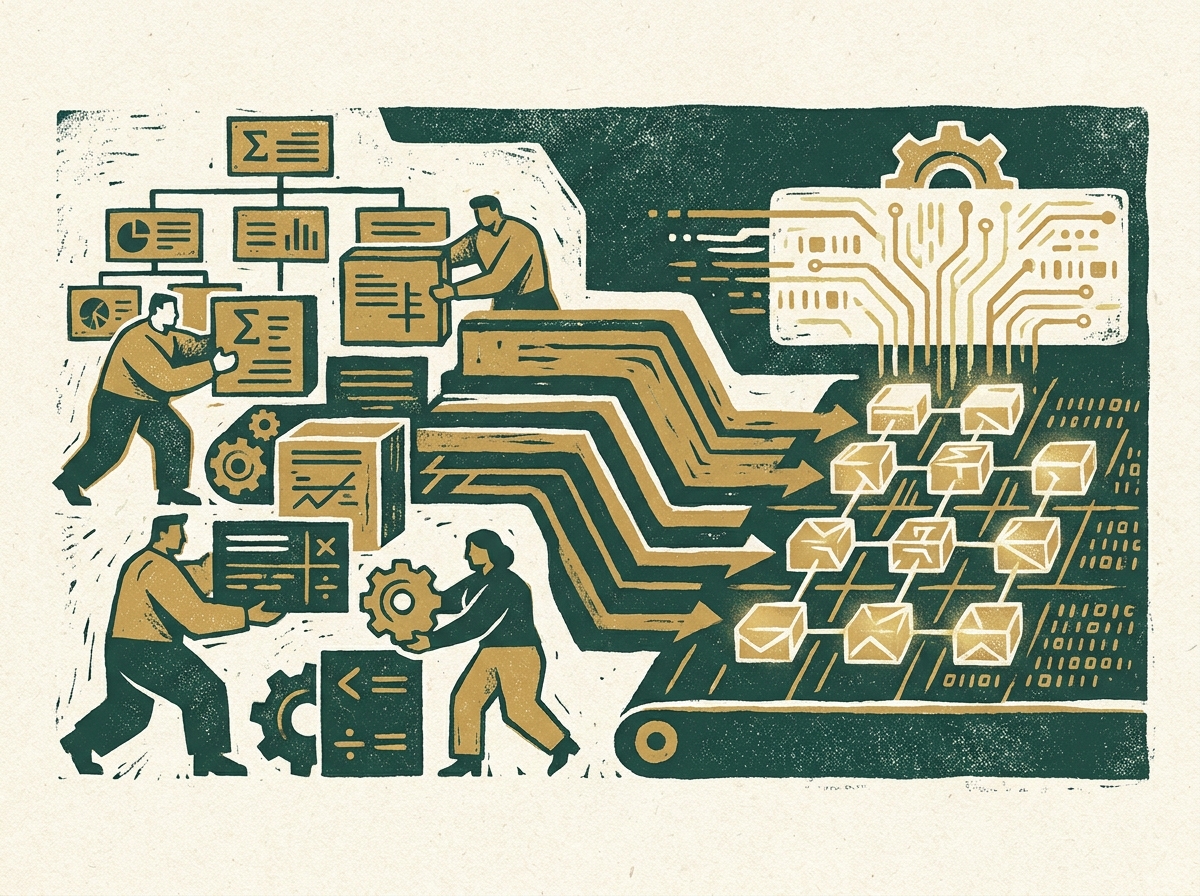
So, before you sign that next big software contract, take a hard look at the data you plan to feed it. The most powerful AI in the world can't turn lead into gold. Investing in your data architecture isn’t just an IT project; it’s one of the highest-ROI financial decisions a CEO can make. Don’t automate the mess. Fix the foundation first.
Frequently Asked Questions
Why do most finance automation projects fail in startups?
Most finance automation projects fail in startups because they are implemented on a foundation of poor data quality and inconsistent internal processes. Startups often prioritize growth over structure, leading to chaotic financial data (e.g., messy charts of accounts, inconsistent vendor naming, data silos) which, when fed into an automation tool, produces unreliable or nonsensical results, a classic “garbage in, garbage out” scenario.
What is the role of an outsourced CFO in establishing data architecture?
An outsourced CFO's role in data architecture is to serve as the strategic architect who designs and oversees the company's financial data infrastructure. This involves auditing the existing tech stack, redesigning the Chart of Accounts for machine readability, standardizing financial processes to ensure data consistency, and implementing data governance policies to maintain data integrity over time, ultimately ensuring that any investment in automation or AI will have a trustworthy data foundation to operate on.
How do you clean historical financial data before implementing AI?
Cleaning historical financial data before implementing AI involves a multi-step process: first, you consolidate data from all sources (ERP, CRM, bank statements) into one place; second, you standardize key fields like vendor names, customer IDs, and expense categories; third, you de-duplicate records; and fourth, you restructure the data to fit a logical, AI-ready Chart of Accounts. This methodical cleansing ensures the AI model is trained on accurate and consistent historical information, leading to reliable predictive insights.
