

Negotiating Better Payment Terms With Suppliers
- Negotiating longer supplier payment terms is one of the cheapest forms of working capital available, and a direct Cash Flow Management win that most founders underuse.
- The math is real: moving from Net 30 to Net 60 can free up around $33,000 in working capital on a $100,000 inventory cost, on every cycle.
- Win the negotiation with data: bring your payment history and order forecasts, research industry norms, and present the request as a calculated, forward-thinking ask.
- Make it win-win. Suppliers value predictable revenue, so offering volume commitments or longer contracts in exchange for extended terms gives them a reason to say yes.
- Time it during stable cash flow, build the relationship first, and always get the new terms in writing.
Most founders treat supplier payment terms as fixed, whatever the supplier offered is what they pay on. But payment terms are negotiable, and longer terms are effectively an interest-free loan from your suppliers that improves your cash position on every purchase. Negotiating Net 45 or Net 60 instead of Net 30 is one of the most accessible and underused Cash Flow Management moves a company can make, and suppliers are often more willing to grant it than founders assume. The key is approaching the negotiation well: with data, with a win-win offer, and with the relationship in mind. Here is how to negotiate better payment terms without damaging your supplier relationships.
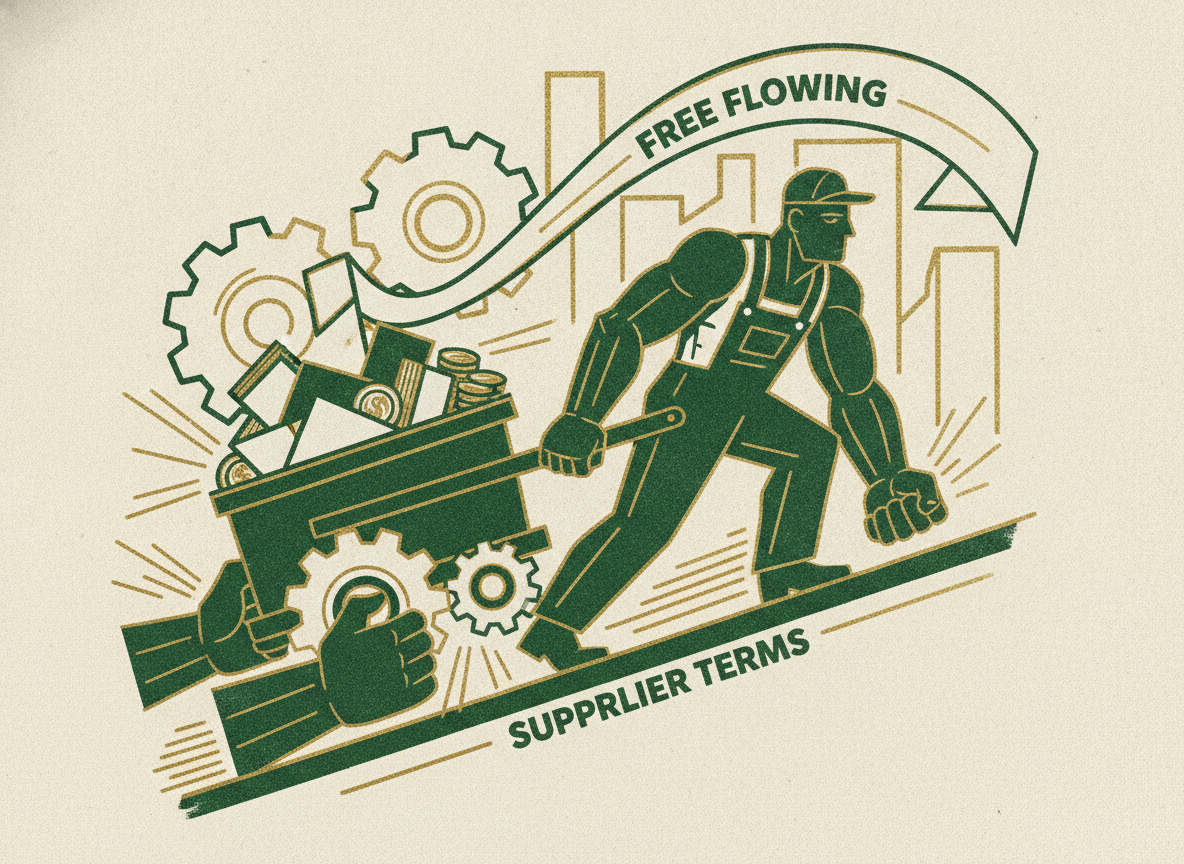
Supplier Terms Are Free Working Capital
The reason payment-term negotiation deserves a founder's attention is that longer terms function as free working capital, improving the company's cash position on every purchase at no cost. When a supplier extends your terms from Net 30 to Net 60, you hold your cash an extra 30 days on everything you buy from them, which is effectively an interest-free short-term loan. The cash impact is concrete: switching from Net 30 to Net 60 can free up around $33,000 in working capital on a $100,000 inventory cost, as Bluevine calculates, and that benefit recurs on every cycle.
This makes term negotiation one of the highest-return Cash Flow Management activities available, because the improvement is structural and permanent rather than a one-time gain. Unlike financing, which costs interest, extended supplier terms cost nothing, the supplier is simply agreeing to be paid later. For a company managing its cash, every additional day of payment terms across its supplier base adds up to meaningful working capital that can fund operations and growth instead of sitting tied up in payables paid too early. The reason most founders leave this on the table is simply that they do not ask, accepting the default terms as if they were fixed. Recognizing that supplier terms are negotiable and that longer terms are free working capital is the mindset shift that turns payment-term negotiation from an overlooked detail into a deliberate cash strategy. The companies that manage cash well treat their payment terms as a lever to negotiate, not a constraint to accept.

Build Your Case With Data
The most effective payment-term negotiations are grounded in data, because a request backed by evidence is far more persuasive than a vague ask. Before approaching a supplier, the disciplined move is to analyze your payment history with them, forecast your future order needs, and research industry norms for payment terms, so you can present a credible, well-supported case, as Onramp Funds advises. A supplier is much more likely to grant extended terms to a customer who arrives with a clear payment record and a concrete forecast than to one who simply asks for more time.
The data does two things. First, it builds trust by demonstrating that you are a reliable customer who pays consistently, which reassures the supplier that extending terms is low-risk. A strong payment history is your best argument, it shows you will pay, just later. Second, it strengthens your position by showing the supplier the value of the relationship, your order volume and forecast, which gives them a reason to accommodate you. Researching industry norms also grounds the request in reality, so you ask for terms that are reasonable for your industry rather than something the supplier will reject out of hand. For a founder, preparing this data before the conversation, payment history, order forecast, and industry benchmarks, transforms the negotiation from a favor request into a business case, which is far more likely to succeed. This preparation is a small investment that materially improves the odds of winning better terms, and it reflects the kind of rigor that good Cash Flow Management brings to every cash lever.

Make It Win-Win
The single most powerful technique in payment-term negotiation is to make the deal win-win by offering the supplier something they value in exchange for the extended terms, because suppliers grant terms most readily when they get something in return. The most effective offer leverages what suppliers want most: predictable revenue. Suppliers often value predictable, committed business over sporadic transactions, so offering volume-based commitments can be powerful, for example proposing an annual commitment of $200,000 in exchange for extending terms from Net 30 to Net 45, as Onramp Funds illustrates.
This reframes the negotiation from a one-sided request into a mutually beneficial trade. A long-term contract with guaranteed minimum orders gives the supplier the revenue security they need to justify extending terms, while giving you the cash benefit of those longer terms, both sides win. The supplier gets predictability and committed volume that helps them plan; you get the working capital from extended payment terms. Other win-win offers include consolidating your purchasing with that supplier, committing to a longer contract, or being a reliable reference, anything that increases the supplier's confidence and the value of the relationship. The key insight is that suppliers are not simply giving something away when they extend terms; in a well-structured deal they are trading extended terms for something valuable to them. A founder who approaches the negotiation looking for what they can offer, rather than just what they want, is far more likely to reach an agreement, and to build a stronger supplier relationship in the process. This win-win framing is the heart of effective term negotiation and a sophisticated application of Cash Flow Management that strengthens rather than strains the supplier relationship.
Timing and Relationship
Two contextual factors significantly affect the success of a payment-term negotiation: when you ask and the strength of the relationship you ask from. On timing, the best moment to negotiate is during a period of stable cash flow, not during a crunch, because asking from a position of stability lets you present the request as a calculated, forward-thinking decision rather than a desperate reaction to financial strain, as Phoenix Strategy Group notes. A supplier reads a term request very differently depending on whether it looks like prudent cash management or a signal of trouble, and stable timing makes it the former.
The relationship matters just as much. Vendors generally want to keep working with good customers, and many would far rather negotiate or modify terms than risk the relationship or chase unpaid invoices, so a founder who has built a strong, reliable relationship over time can approach the negotiation with much more confidence and goodwill. Building that relationship, paying reliably, communicating well, being a good customer, before you need to ask for extended terms makes the eventual request far less fraught and more likely to succeed. The worst approach is the opposite: unilaterally stretching payments without asking, which damages the relationship and the supplier's trust, the very things that make negotiation work. The right approach pairs good timing with a strong relationship: ask when your cash flow is stable and your standing as a customer is good, framing the request as forward-thinking cash management between partners. For a founder, attending to these contextual factors, negotiating from stability and from a foundation of relationship, is what makes the difference between a request that succeeds and strengthens the partnership and one that fails or damages it. This relational dimension is central to doing Cash Flow Management in a way that builds rather than burns the supplier relationships the business depends on.
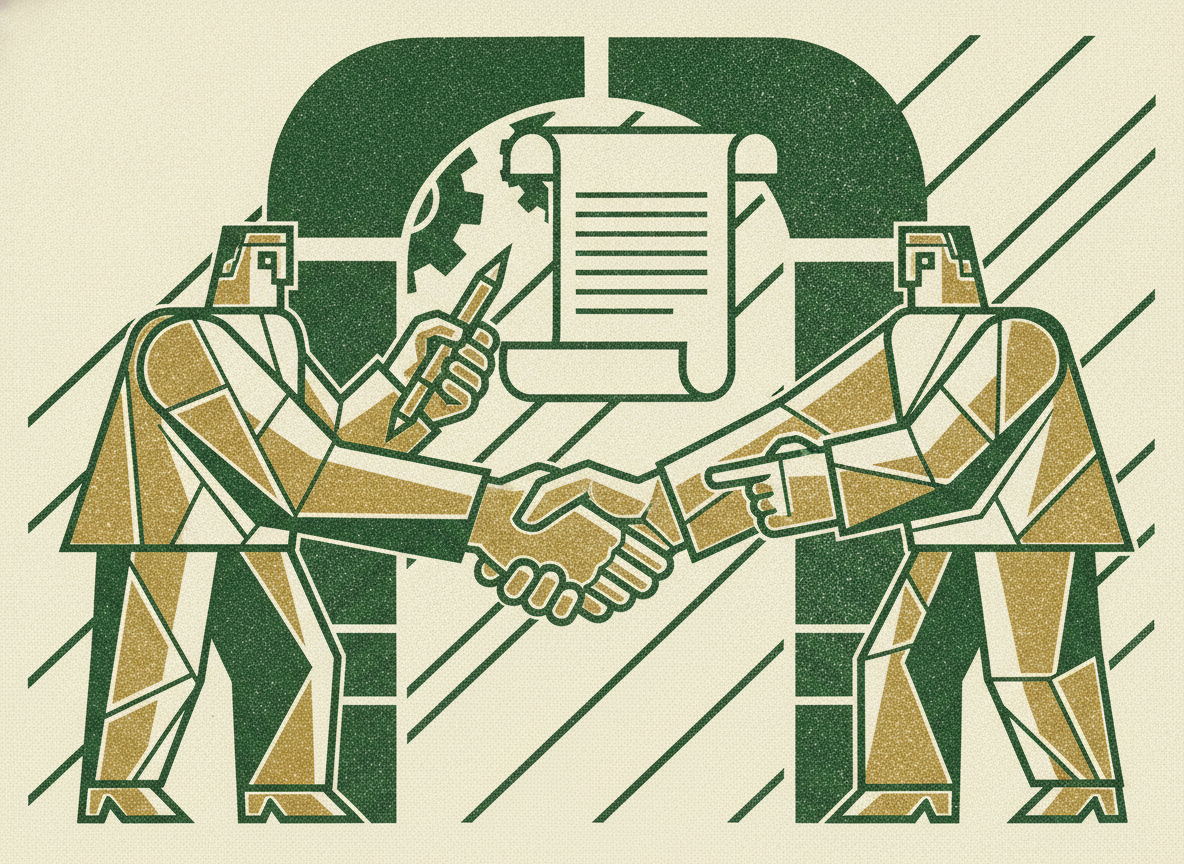
Get It in Writing
The final, essential step that founders sometimes neglect is to document the new payment terms in writing, because a negotiated agreement that exists only as a verbal understanding is fragile and prone to confusion. Once you and the supplier agree on new terms, get them in a written contract that both parties sign, as Onramp Funds emphasizes. This protects both sides and ensures the agreed terms are actually honored, on every invoice going forward, rather than reverting to the old terms through inertia or misunderstanding.
Documenting the terms matters for several reasons. It creates a clear record both parties can reference, preventing disputes about what was agreed. It ensures the supplier's billing and your accounts payable both operate on the correct terms, so the cash benefit you negotiated actually materializes. And it makes the arrangement durable, surviving staff changes on either side that might otherwise lose track of a verbal deal. The related best practice is to negotiate terms before contracts are signed wherever possible, so the favorable terms are built into the agreement from the start rather than renegotiated later, which is more complicated. For a founder, this final step is simple but important: having done the work to negotiate better terms, capturing them in a signed agreement ensures the working-capital benefit is locked in and reliable. It is the unglamorous but necessary close to a successful negotiation, and it reflects the disciplined, documented approach that good Cash Flow Management brings to every arrangement that affects the company's cash. With the terms in writing, the free working capital from extended supplier terms becomes a permanent, dependable part of the company's cash position.
Frequently Asked Questions
Why Negotiate Longer Supplier Payment Terms?
Because longer terms are effectively free working capital, an interest-free short-term loan that improves your cash position on every purchase. Moving from Net 30 to Net 60 can free up around $33,000 on a $100,000 inventory cost, recurring every cycle. Unlike financing, extended terms cost nothing, the supplier simply agrees to be paid later. Most founders leave this on the table simply by not asking, accepting default terms as if they were fixed.
How Do You Build a Case for Better Terms?
With data. Before approaching the supplier, analyze your payment history with them, forecast your future order needs, and research industry norms, so you present a credible, well-supported case. A strong payment history demonstrates you are a reliable customer, lowering the supplier's perceived risk, while your order forecast shows the value of the relationship. This preparation transforms the negotiation from a favor request into a persuasive business case.
How Do You Get a Supplier to Say Yes?
Make it win-win by offering something they value in exchange. Suppliers prize predictable, committed revenue, so a volume commitment or longer contract, for example an annual commitment in exchange for extending Net 30 to Net 45, gives them security that justifies the extended terms. Approaching the negotiation looking for what you can offer, not just what you want, makes agreement far more likely and strengthens the relationship.
When Should You Negotiate Payment Terms?
During a period of stable cash flow, not a crunch, so you can present the request as calculated, forward-thinking cash management rather than a reaction to financial strain. A supplier reads a term request very differently depending on whether it signals prudence or trouble. Build a strong, reliable relationship first, since vendors prefer to accommodate good customers, and always get the agreed terms in writing in a signed contract.
References
