

The Investor Update That Keeps Your Round Warm
- The monthly investor update is the cheapest, highest-return tool in a founder's Investor Readiness toolkit, and most founders neglect it.
- The numbers are striking: founders who send consistent updates raise follow-on rounds about 2.3x faster, and regular communicators are roughly twice as likely to raise follow-on funding at all.
- A great update is short, around 250 words, plain-text email, and covers highlights, key metrics, wins, team, challenges, and a clear ask.
- The section that builds the most trust is the one founders skip: challenges, what is not going well and what you are doing about it.
- Consistency matters more than polish. Sending every month, especially in tough months, is what compounds investor confidence over time.
Founders spend enormous energy on the fundraise itself, the pitch, the deck, the meetings, and almost none on the thing that most reliably makes the next raise easier: keeping their existing investors warm between rounds. The monthly investor update is that tool. It takes thirty minutes, costs nothing, and the data shows it materially improves your odds and speed of raising follow-on capital. Yet most founders send updates sporadically or not at all, usually going quiet exactly when an update would do the most good. Treating the investor update as core Investor Readiness, sent consistently and written well, is one of the highest-leverage habits a founder can build. Here is how.
Why the Update Is Your Cheapest Fundraising Tool
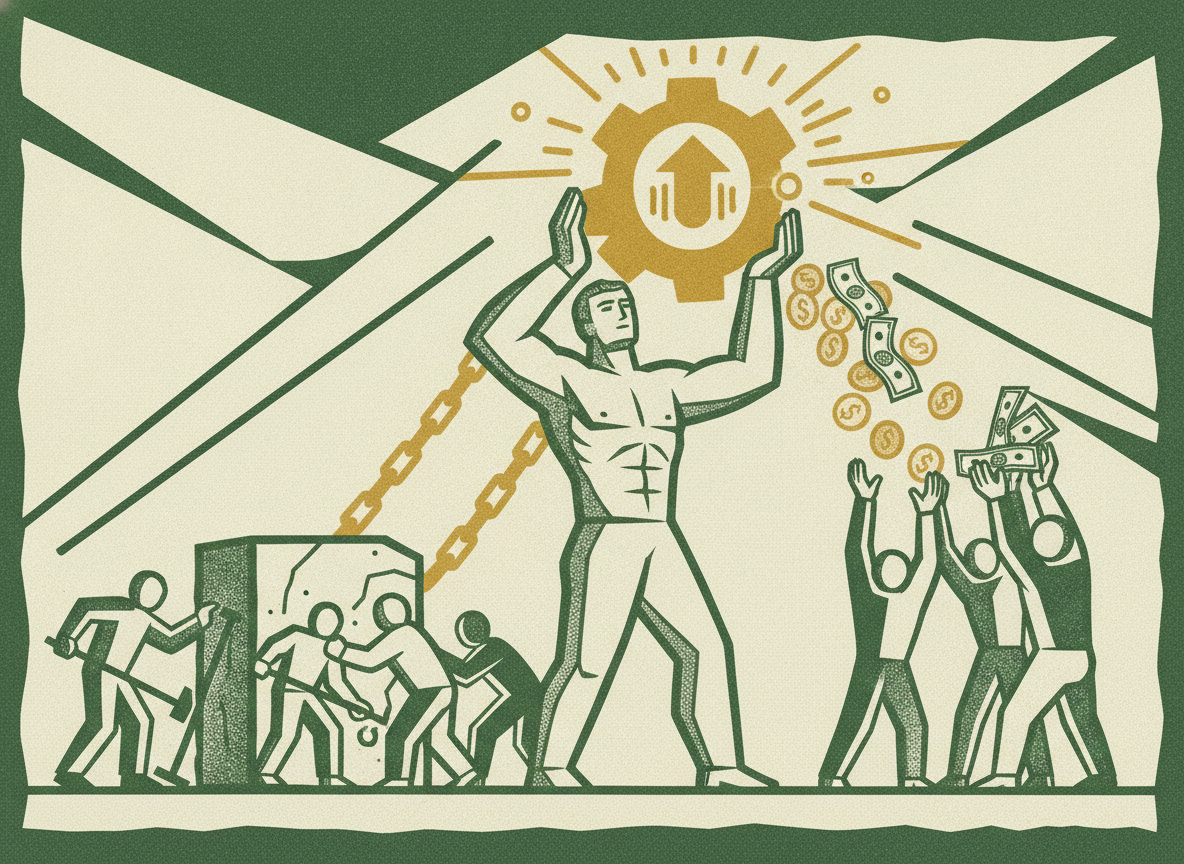
The monthly investor update is the best return on time available in fundraising, because a small, consistent effort compounds into a major advantage when you raise again. The evidence is direct: founders who send consistent monthly updates raise follow-on rounds about 2.3x faster than those who communicate sporadically, and companies that regularly communicate with investors are roughly twice as likely to raise follow-on funding at all, per CFO Advisors. Few activities a founder can do in thirty minutes a month produce that kind of effect on the most important financial event in the company's future.
The mechanism is trust and familiarity built over time. An investor who has received your updates for a year knows your trajectory, your challenges, and your judgment, so when you come to raise, they are already informed and already confident, rather than being reintroduced to a company they have not heard from in months. The update keeps your existing investors engaged as advocates and potential follow-on participants, and it keeps you top of mind for the introductions and support that make a raise easier. This is why the update belongs squarely in Investor Readiness: it is not a courtesy, it is the steady, low-cost work that makes every future raise faster and more likely to succeed. Skipping it forfeits one of the easiest advantages a founder can build.

The Anatomy of a Great Update
A great investor update is short, scannable, and consistent in structure, covering a defined set of sections so investors always know where to find what they need. The essential components are a brief highlights summary, the key financial and operating metrics, customer wins, team updates, challenges, and a clear ask, as OpStart lays out. The metrics that matter most are revenue or MRR (and ARR for SaaS), burn rate, runway, growth, churn, and an engagement number like monthly active users, the figures that let an investor understand your trajectory at a glance.
The format discipline is as important as the content. The optimal length is around 250 words, delivered as a concise plain-text email rather than an elaborate document, because top investors are busy and a tight update gets read while a long one gets skipped. The structure should be consistent month to month, so investors can quickly track how the key numbers are moving over time. The goal is an update an investor can absorb in two minutes and that tells them exactly how the company is doing on the metrics they care about. This combination, the right sections, the key metrics, and a short, consistent format, is what makes an update both easy to write and effective to receive, which is essential to it actually getting sent every month. A great update is a habit-friendly format, not a major production.

The Section Founders Skip: Challenges
The most valuable section of an investor update is also the one founders most often skip or sanitize: the honest accounting of what is not going well. Including what is not working and what you are doing about it builds the most trust of any part of the update, yet it is the section founders most frequently omit, soften, or hide, as the field consistently observes. The instinct to only share good news is understandable but counterproductive, because it forfeits the credibility that candor builds.
Investors are experienced, and they know no company's trajectory is uniformly positive, so an update that reports only wins reads as either naive or evasive. When you instead name a real challenge, a churn problem, a missed target, a hard hire, and explain how you are addressing it, you demonstrate self-awareness and command of the business, which is exactly what investors want to see in a founder. Sharing challenges also has a practical benefit: it gives investors the chance to help, since they often have relevant experience or connections precisely for the problems you are facing. The candor compounds: an investor who has watched you handle challenges honestly over many updates trusts your reporting and your judgment far more than one who has only ever heard good news. For Investor Readiness, this honesty is a core asset, because the trust it builds is what makes investors confident to back you again. The challenges section, handled with candor, is where that trust is most efficiently earned.
The Ask: Putting Investors to Work
Every investor update should end with a clear, specific ask, because your investors are a resource you are underusing if you only ever inform them. The ask turns the update from a one-way report into a request for help, and investors generally want to help, both because they are invested in your success and because helping deepens the relationship. As Visible.vc emphasizes, every update should have a clear ask of the investors.
The most effective asks are specific and actionable rather than vague. "Let us know if you can help" produces nothing; "We are looking for an introduction to a VP of Sales with marketplace experience" or "We would love intros to anyone at these three target accounts" gives the investor something concrete they can act on. A specific ask each month steadily mobilizes your investor base toward your most pressing needs, hiring, customers, partnerships, the next round, and it keeps investors actively engaged rather than passive. Over time, this turns your cap table into a working network that advances the business, which is one of the real benefits of having taken investor money in the first place. Founders who consistently make clear asks extract far more value from their investors than those who treat updates as pure reporting. The ask is what makes the update a tool for getting things done, not just for keeping investors informed, and it is a key part of using Investor Readiness to actually advance the company.

Consistency Beats Polish
The single most important thing about investor updates is the one founders find hardest: sending them consistently, every month, especially in the hard months. A perfectly written update sent twice a year does far less than a plain, honest update sent every month, because the value compounds through regularity. If you commit to monthly updates, sticking to that schedule, even and especially when things are not going well, is what builds the trust and engagement that pay off later, as Visible.vc stresses.
The dangerous temptation is to go quiet during tough periods, exactly when an update feels uncomfortable to write. But skipping updates, particularly in hard months, creates uncertainty and can signal to investors that something is being hidden, which damages trust more than honestly reporting bad news ever would. Investors notice silence, and they fill it with worst-case assumptions. The founder who keeps sending updates through a hard stretch, candidly reporting the challenges and the response, comes out with stronger investor relationships than one who went dark and reappeared only when things improved. This is why consistency beats polish: the habit of showing up every month, in good times and bad, is what builds the durable investor confidence that makes follow-on funding faster and more likely. For Investor Readiness, the discipline of the consistent monthly update, kept up through the difficult months, is worth more than any single brilliantly crafted report, and it is entirely within the founder's control.

Frequently Asked Questions
Why Do Investor Updates Matter So Much?
Because they materially improve your odds and speed of raising again. Founders who send consistent updates raise follow-on rounds about 2.3 times faster, and regular communicators are roughly twice as likely to raise follow-on funding at all. The mechanism is trust built over time: an investor who has followed your updates for a year is already informed and confident when you raise, rather than being reintroduced to a company they have not heard from.
What Should a Monthly Investor Update Include?
A brief highlights summary, key financial and operating metrics (MRR or ARR, burn, runway, growth, churn, and an engagement metric), customer wins, team updates, an honest challenges section, and a clear ask. Keep it to around 250 words in a plain-text email with a consistent structure month to month, so investors can absorb it in two minutes and track how the numbers are moving over time.
Should You Share Bad News in Investor Updates?
Yes, candidly. The challenges section, what is not going well and what you are doing about it, builds the most trust of any part of the update, yet founders most often skip it. Investors know no trajectory is uniformly positive, so reporting only wins reads as naive or evasive. Naming a real challenge and your response demonstrates command of the business and lets investors help, which deepens their confidence in you.
How Often Should You Send Investor Updates?
Monthly for early-stage startups, quarterly for growth-stage. Consistency matters more than polish: a plain update sent every month beats a brilliant one sent sporadically, because the value compounds through regularity. Crucially, do not go quiet in tough months, when updates feel uncomfortable, since silence creates uncertainty and signals that something is being hidden. Sending through hard stretches is what builds durable trust.
References
