

Board Prep 101: The Numbers Your Investors Expect Every Quarter
- Investor Readiness at the board level is won in the prep: a tight pack sent 48 to 72 hours ahead turns the meeting into decisions instead of a live reading session.
- Send a 15 to 30 page pack that leads with a TL;DR of three to five sentences, then actuals against plan, cash and runway, and the metrics that move your business.
- Frame every miss with the number, the cause, the fix, and the revised forecast; boards forgive misses, they do not forgive surprises.
- Lead the financials with ARR and ARR movement, then an exact runway number, not a range.
- End on the ask: the three decisions or inputs you need from the board, each framed with options and your recommendation.

The Investor Readiness Board Pack, Page by Page
A board pack is a 15 to 30 page document that moves from a one-page summary to the detail, sent 48 to 72 hours before the meeting so directors arrive already read-in. The consensus across top venture firms and CFOs is to lead with insight, not raw data. Sequoia's own board deck guide opens with a 15-minute big picture: CEO update, highlights, lowlights, and where the company needs help. Structure the rest as overview, then deep dive, then decisions.
Open with a TL;DR of three to five sentences covering the quarter: revenue versus plan, the biggest win, and the critical challenge. A useful discipline is the 3-3-3 framework recommended by imBoard: three things going well with specific metrics, three challenges with your proposed response, and three decisions you need from the board. From there, sequence the pack as CEO update, financials, operating metrics, functional updates, and items for decision. If you already build a three-statement model your board reads, the financial section is mostly assembled for you.
Reporting Actuals Against Plan
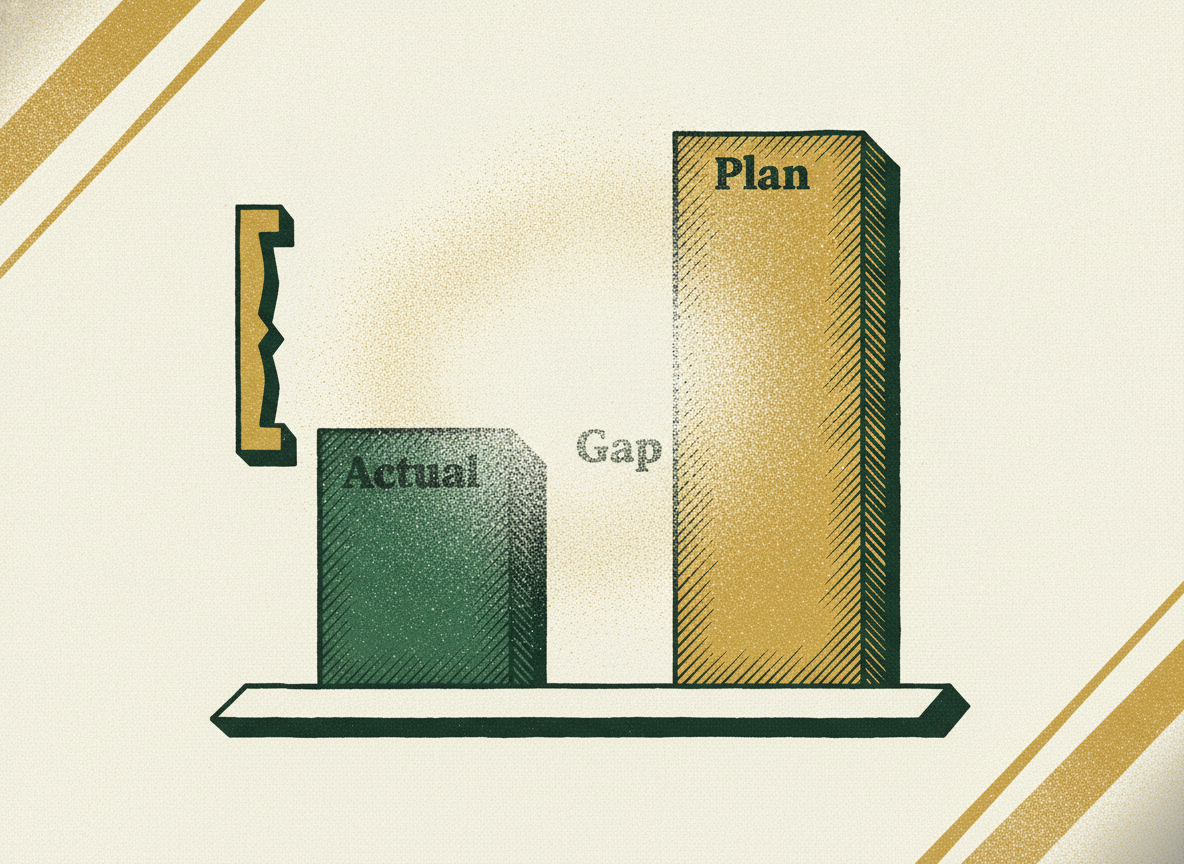
Report every key number as actual versus plan, with the variance and a one-line explanation, because the board's first question is always "compared to what?" A number on its own is trivia. The same number against the plan you committed to last quarter is a signal. Show revenue, gross margin, operating expense, and cash each as actual, plan, and variance, and put the variance in percentage terms so the size of the gap is obvious at a glance.
Lead the financials with ARR and ARR movement, not just the ending balance. As the team at ScaleWithCFO puts it, do not just give the number, tell the story of new, expansion, and churned ARR. Then give cash and an exact runway figure. Runway stated as a range reads as evasive; a single number, with the assumptions beneath it, reads as control. This is the same rigor I bring to runway math when revenue wobbles, and the board notices the difference immediately.

Framing Misses Without Losing Trust
You frame a miss by naming it first, explaining the cause, stating the fix, and showing the revised forecast, all before the board has to ask. Boards forgive misses. They do not forgive being surprised by a miss that you clearly saw coming and chose not to flag. The fastest way to lose a board's trust is to bury a bad number on page 22 and hope no one does the math.
Put the miss in the TL;DR, own it in plain language, and move quickly to what you are doing about it. A miss framed as "revenue came in at eighty-two percent of plan; two enterprise deals slipped to next quarter; both are verbally committed with signatures expected in weeks three and five; here is the reforecast" is a founder in command. The same miss left for the board to discover is a governance problem. Transparency compounds: the quarter you handle a miss well is the quarter you earn the benefit of the doubt on the next one. This candor is central to the shift from finance as scorekeeper to finance as a strategic co-pilot.
The Metrics That Prove Investor Readiness
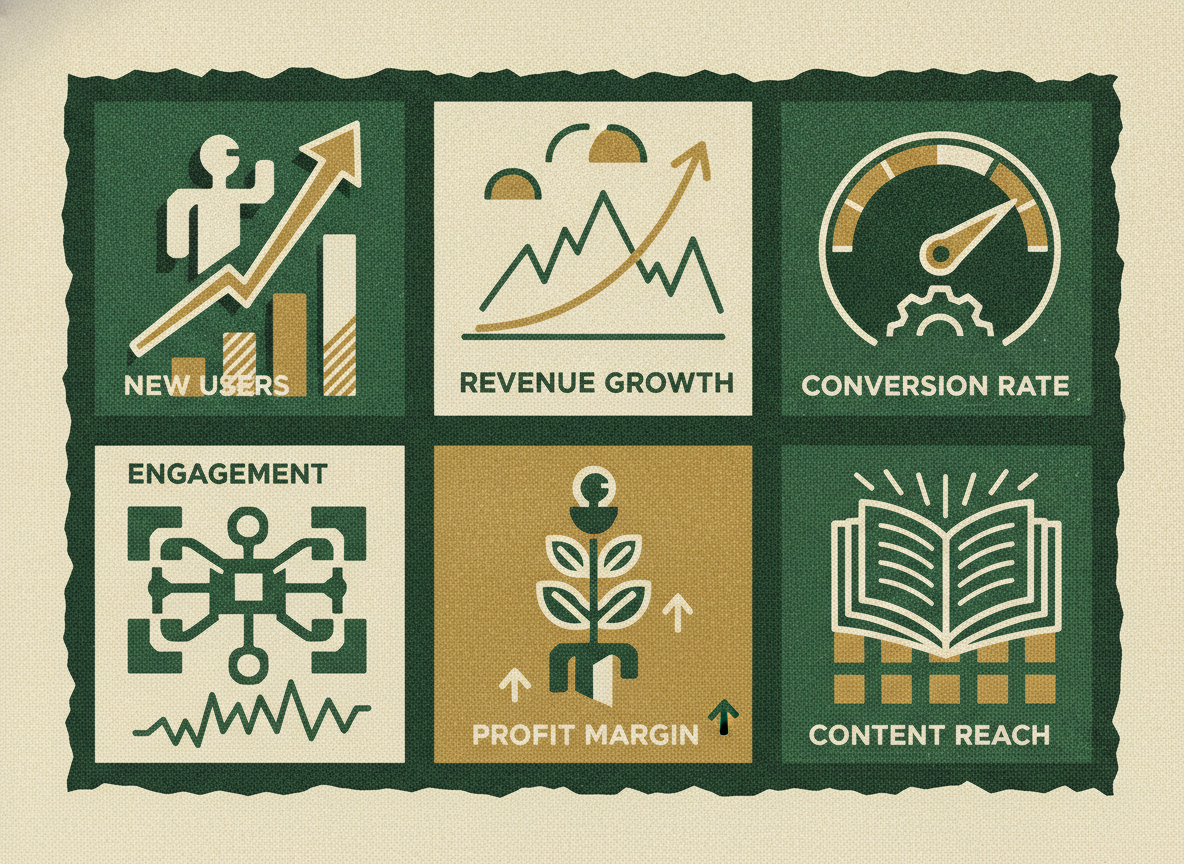
Investors expect a compact KPI dashboard of five to seven metrics with month-over-month and plan comparisons, not a spreadsheet dump. Structure First recommends exactly that: the most important figures with a clear comparison, so trends are visible in seconds. For a growth-stage company the core set is ARR and ARR growth, net and gross revenue retention, gross margin, cash balance and runway, burn multiple, and CAC payback.
Pick the handful that actually drive your business and report them consistently every quarter so the board can see the trend line, not just the dot. Changing your metrics each quarter is a red flag; it looks like you are searching for a flattering number. Pair the dashboard with a short narrative on what moved and why. Strong Investor Readiness means the board can reconstruct the health of the business from your dashboard alone, which is exactly the standard I use when preparing a company's investor data room before a raise.
Turning the Meeting Into Decisions
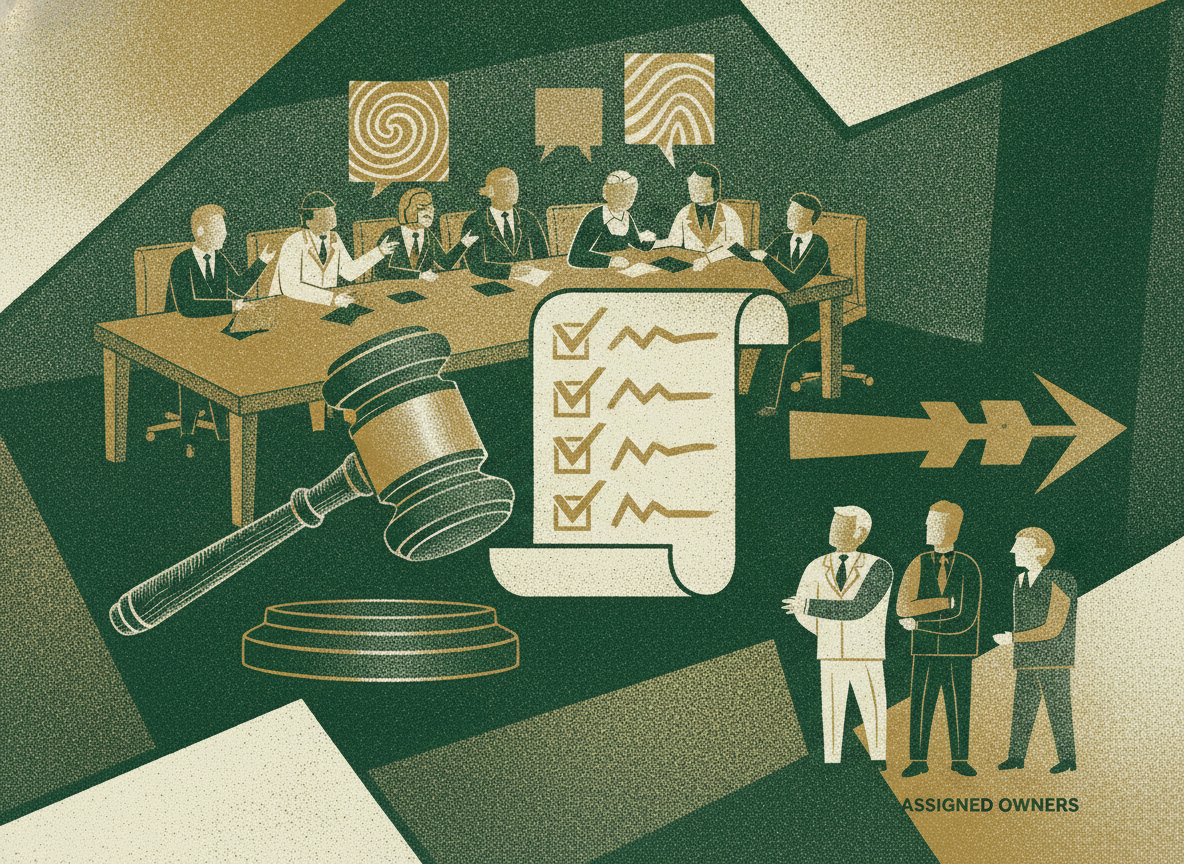
You turn a board meeting into decisions by ending the pack with a short list of specific asks, each framed with options and your recommendation. The purpose of the meeting is not to inform; the pack already did that. The purpose is to get judgment and approval on the few choices that need the board. Tosea's 2026 board deck guide frames the closing section exactly this way: the decisions you need, each with options and a recommendation.
Reserve the live time for the two or three things that genuinely need debate, and drive each to a clear outcome and an owner. A meeting that ends with "we discussed it" wasted everyone's time; a meeting that ends with three decisions made and assigned created value. Send the minutes and the decisions within a day so the board has a record and the team has its marching orders. That closing discipline is what turns quarterly governance into forward motion.
Frequently Asked Questions
What Should Be in a Board Deck?
A board deck should open with a one-page TL;DR of three to five sentences, then a CEO update, financials reported as actuals versus plan, a five to seven metric KPI dashboard, functional updates, and a closing list of decisions you need. Aim for 15 to 30 pages and send it 48 to 72 hours ahead so directors arrive read-in. Lead with insight and reserve live meeting time for decisions.
How Do You Present a Miss to Your Board?
Present a miss by naming it up front, explaining the cause in plain language, stating your fix, and showing the revised forecast. Put it in the TL;DR rather than burying it, because boards forgive misses but not surprises. A miss you flag early with a credible plan builds trust; a miss the board discovers erodes it.
What Financials Do Investors Expect Quarterly?
Investors expect revenue, gross margin, operating expense, and cash each shown as actual, plan, and variance, led by ARR and ARR movement and an exact runway number. Add a compact dashboard of five to seven KPIs such as net revenue retention, burn multiple, and CAC payback, compared month-over-month and against plan. Consistency quarter to quarter matters as much as the numbers themselves.
What Goes in a Board Meeting?
A board meeting covers a brief big-picture CEO update, a review of financials and metrics against plan, discussion of the two or three issues that genuinely need the board's judgment, and formal decisions on the items you have flagged. The reading happens before the meeting through the pack. The meeting itself is for calibration, approval, and help.
How Do You Prepare for a Board Meeting?
Prepare by building the pack early, circulating it 48 to 72 hours in advance, and pre-aligning with your lead investors on any contentious item so there are no surprises in the room. Decide the two or three decisions you need and frame each with options and a recommendation. Preparation is where Investor Readiness is actually won.
References
