

Fractional CFO AI Compliance in 2025: Essential FAQs for Startups and SMBs
Published: [Current Date] • Estimated reading time: 8 min
Fractional CFO for AI Compliance: A Startup's Guide
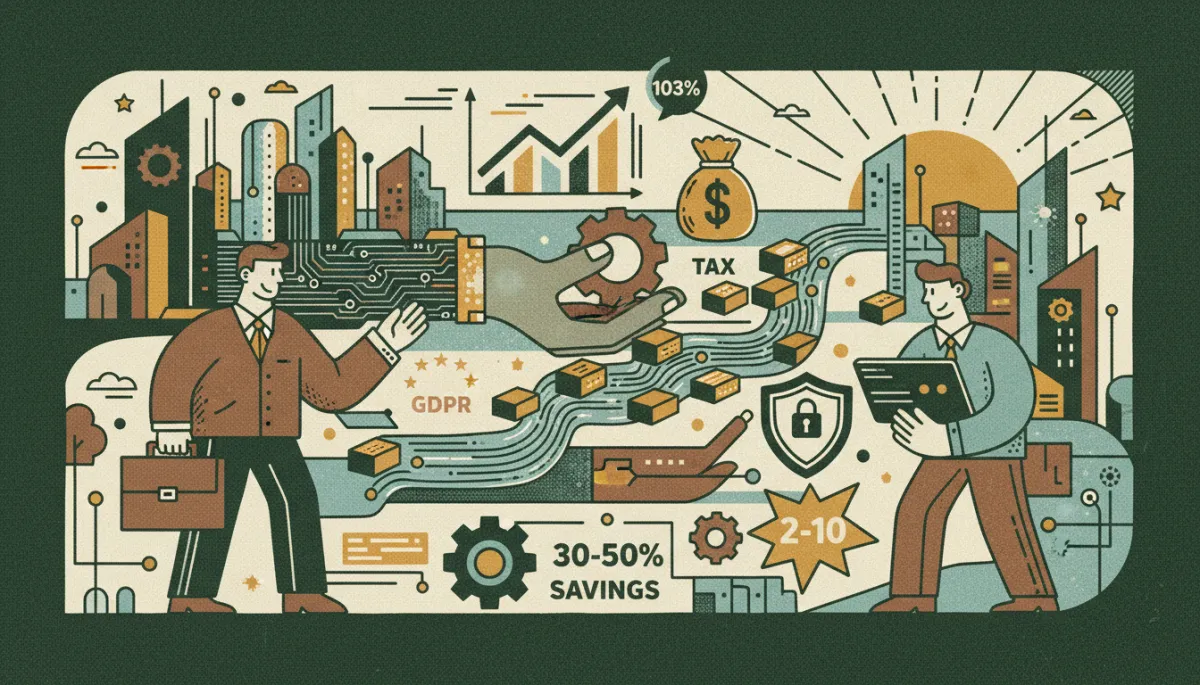
Is your startup drowning in the complexity of AI compliance? You're not alone. It's the paradox every founder faces in 2025: you need AI to innovate, but the regulatory and cyber risks are escalating at a terrifying pace. That’s why demand for fractional CFO services has exploded by over 103%. They’ve become the go-to solution for startups and SMBs looking to slash costs by 30-50%, navigate GDPR and cybersecurity threats, and—most importantly—turn the burden of fractional CFO AI compliance into a real competitive advantage.
This guide answers the essential questions. We’ll break down exactly what this role entails, why it’s critical now, and how to find the right strategic partner to protect and grow your business.
What's a Fractional CFO for AI Compliance, Really?
Let’s cut through the jargon. At its core, Fractional CFO AI Compliance is a service where you get the brain of a top-tier financial executive, but only for the time you need them. Think of them as a strategic, part-time member of your leadership team.
But here’s the key difference in 2025: this isn't just about managing spreadsheets. It’s about being the human expert in a world of automated threats and opportunities. In my experience, their job breaks down into a few key areas:
Risk Sentinel: They implement startup compliance AI tools to monitor everything from financial operations to cybersecurity vulnerabilities.
Future Forecaster: Using predictive analytics, they don't just report on last month's numbers; they model how future regulatory changes could impact your cash flow.
Tech Strategist: They build and manage your financial tech stack, ensuring tools like Ramp or Vanta are used effectively and ethically.
Ultimately, they provide the financial leadership to not just dodge penalties, but to use AI to make smarter decisions and build a company that lasts.
The Alarming Stats Driving This Shift
The numbers don't lie, and frankly, some of them are pretty scary for an unprepared SMB. The data for 2025 shows a landscape where this kind of proactive financial oversight is no longer a luxury—it’s a survival mechanism.
103% Demand Surge: The need for fractional CFOs has more than doubled year-over-year as founders seek seasoned expertise without the $400k+ price tag of a full-time hire (NowCFO, 2025).
90% Failure Rate: FEMA has a chilling statistic: 90% of smaller companies fail within a year if a disaster—like a major cyberattack on their AI systems—knocks them offline for just five days. That's a risk most can't afford to ignore.
30-50% Cost Savings: It's not just about avoiding disaster. Companies using fractional CFOs report a 30-50% improvement in their burn rate, directly extending their runway and buying precious time to grow (CFO Advisors, 2025).
Fractional CFO vs. Full-Time vs. Controller: The ROI on AI Compliance
So, where does a fractional CFO really fit in? I get this question all the time from founders trying to decide on their next finance hire. When the complex world of AI regulatory compliance is involved, the choice becomes crystal clear. A controller is tactical (managing today’s books), and a full-time CFO is a massive investment. A fractional CFO bridges that critical gap.
Here’s a simple breakdown:
The Top 3 AI Compliance Headaches for Startups
In 2025, the promise of AI-driven growth comes with some serious hidden risks. Startups, often running lean, are especially vulnerable. You’ve probably felt this pressure yourself.
1. The Ever-Shifting Sands of Regulation
Regulations like GDPR and CCPA are constantly being updated for AI, while tax laws scramble to keep up. For a founder, manually tracking these changes is a nightmare. A good fractional CFO uses automation to monitor this landscape, so you’re proactive, not reactive. It’s the difference between a planned adjustment and a panicked scramble.
2. The Elephant in the AI Room: Cyber & Operational Risks
AI systems are a giant, flashing target for cyberattacks. A single breach can mean massive fines and ruin your reputation. It’s that FEMA statistic again—a major incident can be an extinction-level event. Proper SMB AI risk management with a fractional CFO isn’t just about defense; it's about building a resilient financial operation that can withstand a punch.
3. Financial Blind Spots That AI Can’t See
AI is incredible at processing data, but it can’t tell you the story behind the numbers. Without an expert to interpret the outputs, you can miss glaring risks: a rising burn multiple, a looming cash crunch, or a missed funding opportunity. This is a classic trap I’ve seen founders fall into—relying on the dashboard but missing the narrative.
How a Fractional CFO Tackles AI Compliance Head-On
An experienced fractional CFO doesn’t just manage risk; they turn compliance into a well-oiled machine that actually fuels growth. Here are a few proven strategies they use.
Building a Financial 'GPS' That Sees Around Corners
Instead of a static annual budget that’s outdated in a month, they build rolling 12-month forecasts powered by AI analytics. These models run scenarios—what if a new privacy law passes? What if a key vendor raises prices by 20%? This gives you a strategic roadmap to navigate what's coming.
Slashing the Burn and Extending the Runway
This is where they deliver immediate value. A fractional CFO uses AI tools to put every single expense under a microscope. They optimize SaaS spend, automate accounts payable, and refine financial planning. At first, I thought these were small tweaks, but I’ve seen these actions reduce burn by 10-20% and extend a startup’s runway by several critical months.
Uncovering Hidden Cash in Vendor Bills and Tax Code
Armed with data, a fractional CFO can benchmark what you’re paying vendors against the market, giving you incredible leverage in negotiations. They also use AI to hunt for R&D tax credits and other savings opportunities that internal teams almost always miss. We’re talking about recovering tens of thousands of dollars in found money.
Your Questions on Fractional CFO AI Compliance, Answered
Let's get straight to it. These are the most common questions I hear from founders and CEOs.
What does a fractional CFO actually do for AI compliance?
They handle the full spectrum:
Risk Assessment: Identifying where your use of AI creates financial or regulatory exposure.
Tech Implementation: Choosing and rolling out the right tools (like Vanta or Drata) to automate compliance monitoring.
Policy & Governance: Helping you create clear internal rules for AI ethics in finance and data handling that align with GDPR and other standards.
Strategic Oversight: Translating the data from your AI tools into plain English insights for you and your board.
What's the real cost of fractional CFO AI compliance in 2025?
Typically, you'll see retainers from $5,000 to $15,000 per month. Yes, it’s a real investment. But weigh that against a $400k+ full-time salary or a six-figure non-compliance fine. The ROI, realized through savings and risk avoidance, almost always pays for the service within the first year.
Can't I just use AI tools instead of hiring someone?
No. And this is a big one. At first, you might think an AI tool can do the job. But wait—that’s not the whole story. The tools are the "what." They surface data and automate tasks. A fractional CFO is the "so what" and "what's next." They provide judgment, negotiate with humans, and understand the subtle nuances of your business strategy. The tools are a powerful complement, not a replacement.
How is this different from what my controller does?
It’s the difference between looking in the rearview mirror and looking at a GPS map of the road ahead. A controller is tactical and backward-looking—they ensure the books are clean and historical records are accurate. A fractional CFO is strategic and forward-looking—they use that historical data plus AI-powered forecasts to guide the company's future.
Conclusion: Turning Compliance into Your Secret Weapon
The complexities of AI compliance in 2025 aren't just a hurdle to be cleared; they're an opportunity to build a smarter, more resilient, and ultimately more valuable business. For most startups and SMBs, going it alone is no longer an option.
Engaging a strategic partner who lives at the intersection of finance and technology is how you transform regulatory burdens into a competitive advantage. A fractional CFO offers the exact level of scalable, cost-effective financial leadership needed to manage risk, optimize your operations, and secure your company’s future.
Ready to see how expert financial oversight can fuel your AI-driven growth? Contact Winn Greenwood today to explore how our fractional CFO services can help you master compliance and unlock your full potential.
Have you tried working with a fractional CFO before? What was your experience? Drop a comment below—I'd love to hear your story.
Tags: fractional cfo, ai compliance, startup finance, smb compliance, financial leadership, saas metrics
References
CFO Advisors. (2025). The State of Fractional CFO Services: ROI and Burn Management Trends. CFO Advisors Publishing.
NowCFO. (2025). Annual Fractional Executive Demand Report. NowCFO Analytics.
Federal Emergency Management Agency (FEMA). (2024). Business Continuity and Disaster Preparedness. Ready.gov.
