

Debt vs. Equity in 2026: Navigating a Bifurcated Capital Market
Published: 2026-05-14 • Estimated reading time: 8 min
I sat across from a founder last month, a brilliant CEO running a robotics company with $15 million in ARR. She was staring at two term sheets, and the look on her face was one I’ve seen a hundred times. It wasn’t excitement. It was the cold dread of a leader facing a choice between two different kinds of poison. One was a venture debt deal with covenants so tight they could choke a boa constrictor. The other was a growth equity round at a valuation that felt like a punch in the gut. This, right here, is the central challenge of any modern fundraising strategy: navigating a capital market that has split right down the middle.

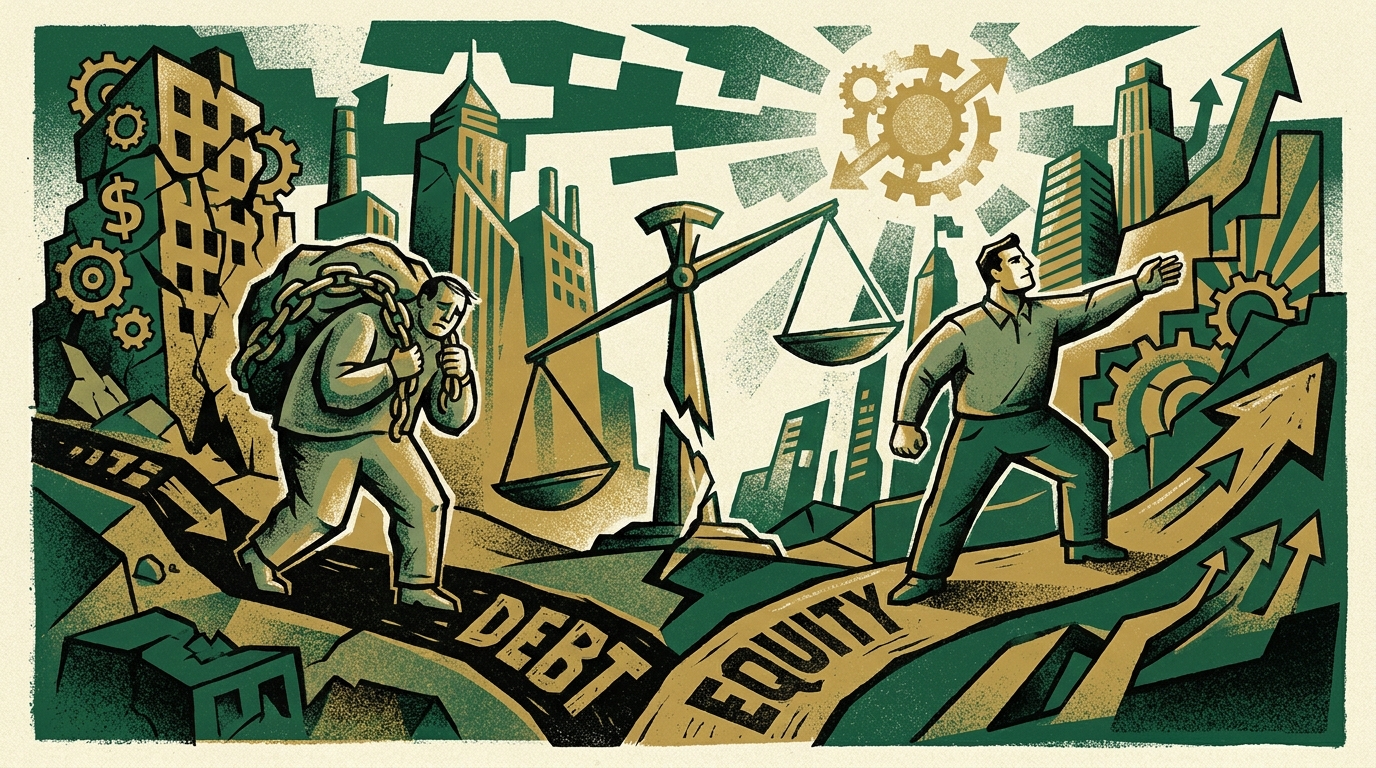
On one side, you have debt, made brutally expensive by years of stubborn interest rates. On the other, you have equity investors who, after the froth of the early 2020s, now demand growth, profitability, and a significant slice of the company. Welcome to the bifurcated capital market. Making the right choice isn’t just about the numbers; it’s about survival.
The 2026 Capital Landscape: Expensive Debt and Demanding VCs
The current capital environment is a direct consequence of macroeconomic tightening, where the cost of capital is high and investor expectations are even higher. We’re no longer in a world where capital is a cheap commodity. The average cost of capital for senior debt has risen by 250 basis points since early 2024, according to recent Federal Reserve Economic Data. This has fundamentally altered the classic debt vs equity calculation. Lenders are nervous, so they’re demanding more than just interest payments; they want security, control, and covenants that protect their downside at all costs.
Meanwhile, on the equity side, the game has changed. Venture and growth equity funds are sitting on capital, but they’re deploying it with extreme prejudice. Investor expectations have shifted from a “growth at all costs” mentality to a demand for efficient, sustainable growth with a clear path to profitability. They want to see strong cash flow generation before writing a check, and when they do, the valuation multiples are a far cry from the peaks of 2021. This new reality forces founders to make incredibly difficult decisions about their company’s capital structure.
The Hidden Danger of Debt Covenants in a Volatile Market
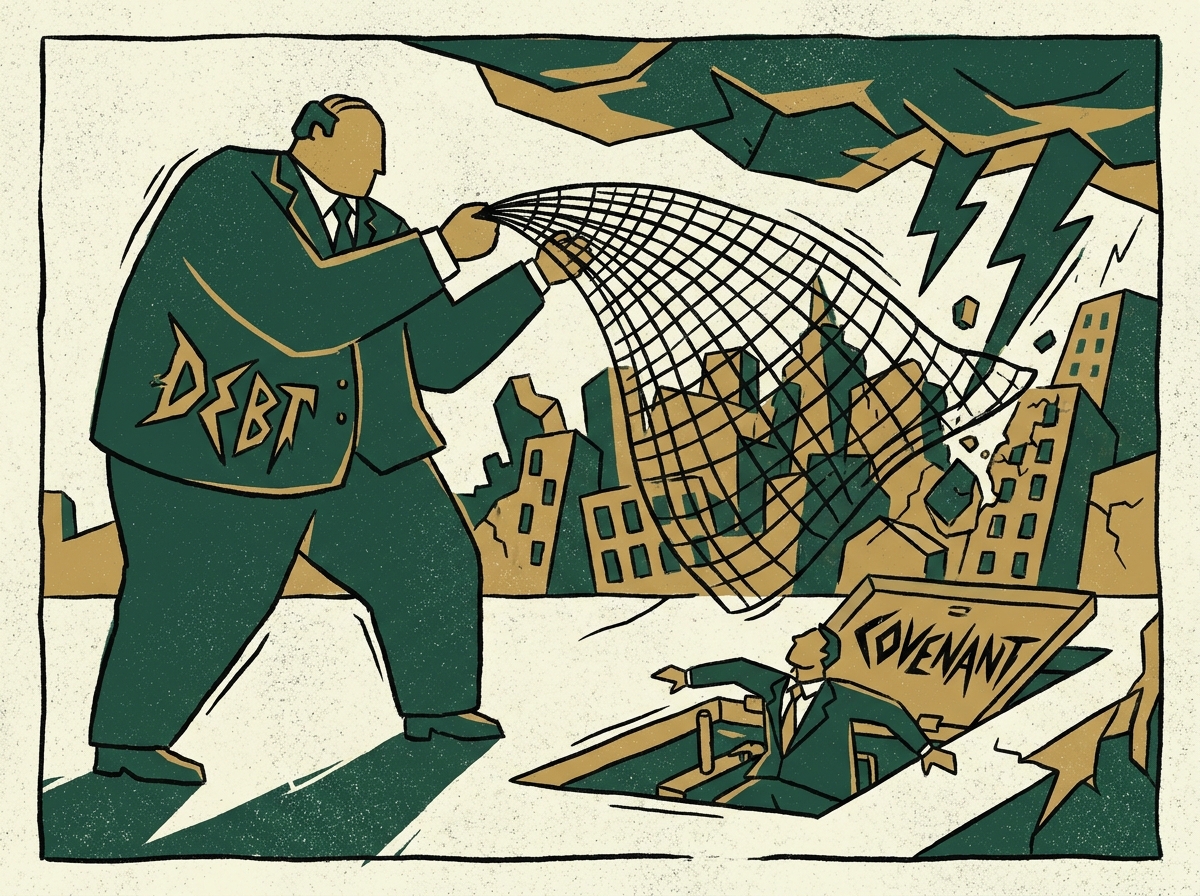
The most dangerous part of a debt deal is often buried in the fine print of its covenant restrictions. These are the rules and financial thresholds a borrower must maintain, such as a minimum liquidity level or a maximum debt-to-EBITDA ratio. In a stable economy, they can be manageable. In today’s volatile market, they are tripwires. My team recently worked with a SaaS company that tripped a revenue covenant after losing a single major client—an event entirely outside their control. The lender immediately had the right to call the entire loan, forcing the company into a desperate, dilutive equity round just to stay solvent.

This isn’t a rare occurrence. A recent Founder's Forum Survey found that a staggering 60% of founders admit they did not fully understand the implications of their debt covenants at the time of signing. The danger isn't the interest rate; it's the loss of operational freedom. A covenant breach can block you from making strategic acquisitions, hiring key personnel, or pivoting your business model precisely when you need that agility the most.
Calculating the True Cost of Equity Dilution at Current Valuations
The true cost of equity dilution is the permanent sacrifice of a percentage of your company's future success for capital today. While avoiding debt covenants sounds appealing, giving up equity is its own kind of long-term pain. With valuation multiples compressed, founders are selling larger chunks of their companies for the same amount of capital they might have raised for half the dilution just a few years ago. Data from Valuation Analytics Group shows founder equity dilution in Series B rounds has increased to an average of 22%, up from 18% pre-2024.

This isn't just about personal wealth at a future liquidity event. It’s about control. It’s about the size of your employee option pool. It’s about your ability to raise future rounds without being overly diluted. The decision requires a clear-eyed look at what that percentage of your company could be worth in five or ten years, not just what it gets you today. Here’s a simplified breakdown my team uses to frame the trade-off:
The Rise of Mezzanine and Alternative Financing Structures
The optimal fundraising strategy often lies in the middle ground between pure debt and pure equity. Mezzanine financing and other hybrid structures have become increasingly popular because they blend characteristics of both. This type of financing is essentially subordinated debt that can convert to equity, giving lenders a potential upside in the company’s success while offering founders less dilution than a straight equity round.

Think of it as a bridge. It can help you extend your runway to hit key milestones that will unlock a higher valuation in your next equity round. We’re seeing more creative structures emerge, from revenue-sharing agreements to venture debt with equity warrants. These instruments aren't a silver bullet—they come with their own complexity and cost of capital—but they provide flexibility. According to a study from Private Equity Insider, companies that successfully utilized mezzanine financing structures saw an average of 18% faster growth to their next liquidity event. They offer a third path for founders who find the other two unpalatable.
Structuring Your Pitch: Aligning the Capital Ask with Business Reality
The most effective fundraising strategy aligns the type of capital requested with the intended use of funds. You cannot walk into a lender’s office with a pitch deck full of moonshot R&D projects, and you can’t ask a VC to fund the purchase of a new warehouse. Lenders want to see their capital used for predictable, ROI-positive activities like inventory expansion or financing large receivables. VCs, on the other hand, are funding scalable growth—go-to-market expansion, product development, and talent acquisition.
Your pitch must reflect this reality. The financial model you show a bank should be conservative and focused on cash flow generation. The model you show a VC should be ambitious and focused on market capture. As Anya Sharma, a partner at a prominent growth equity firm, puts it:
“In this market, capital isn’t just a commodity; it's a partnership with strings attached. The question is whether you prefer the visible strings of an equity partner or the invisible tripwires of a lender.”
Your job as CEO is to decide which set of strings you can best navigate to build a valuable company.
Frequently Asked Questions
What are the current trends in debt vs equity fundraising for 2026?
The dominant trend is a flight to quality and a bifurcation of the market. For debt, lenders are prioritizing companies with strong, predictable cash flow and are imposing stricter covenant restrictions; only 35% of venture debt deals in 2025 were considered 'founder-friendly,' per the Capital Markets Review. For equity, investors are focused on proven traction and a clear path to profitability, leading to compressed valuations and more demanding term sheets compared to previous years.
How do high interest rates impact the decision to use venture debt?
High interest rates directly increase the cost of capital for venture debt, making it a more expensive option for runway extension. This forces founders to calculate whether the cost of interest payments is less than the cost of equity dilution at a lower valuation. High rates also make lenders more risk-averse, which often translates into tighter covenants, reducing a company’s operational flexibility.
When is equity dilution preferable to strict debt covenants?
Equity dilution is often preferable when a company needs capital for high-growth, less predictable initiatives like entering a new market or funding significant R&D. In these scenarios, the company needs maximum operational flexibility, which strict debt covenants would prohibit. While dilution is permanent, it aligns the capital provider with the company's long-term upside and avoids the risk of a covenant breach that could trigger a default and threaten the company's survival in a volatile period.
