

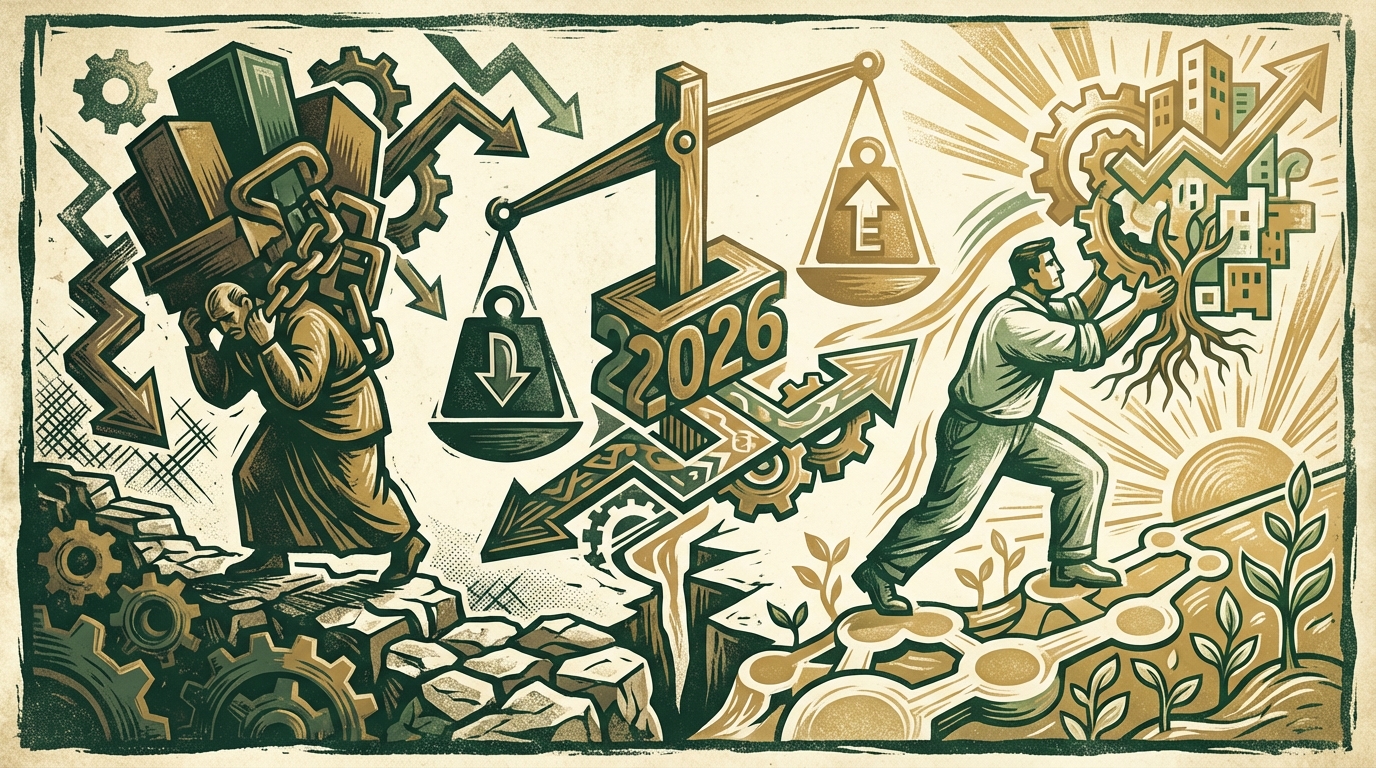
Debt vs. Equity in 2026: Choosing the Right Capital for a Volatile Year
Published: 2026-04-02 • Estimated reading time: 9 min
I sat across from the CEO of a brilliant SaaS company last week—$12M ARR, growing steadily, an absolute star in her niche. But she was staring at two term sheets on her tablet with the look of someone trying to decide which limb to amputate. One was a traditional Series B from a top-tier VC firm. The other, a sizable debt facility from a private credit fund.
“Five years ago,” she said, “this would be a no-brainer. I’d take the equity, pour it on the fire, and we’d be a unicorn by now.”
But this isn’t five years ago. This is 2026. And the old playbook? It’s not just outdated; it’s dangerous. The right decision requires a sophisticated approach to capital structure optimization—a layered strategy that treats debt and equity not as a binary choice, but as tools in a much larger toolkit.
My team and I believe that for most growth-stage companies today, the optimal path isn’t one or the other, but a carefully constructed blend of both. It’s about using non-dilutive instruments to fuel growth to the next value inflection point, thereby making your eventual, and perhaps smaller, equity raise exponentially more powerful.
The 2026 Landscape: Expensive Debt Meets Picky Equity
The current capital environment is a paradox defined by two powerful, opposing forces: debt capital that is more accessible but still historically expensive, and equity investors who have become exceedingly selective. After the volatility surge of the last few years, the market has settled into a new normal where, according to a recent Deloitte CFO survey, 62% of finance chiefs see credit as costly. While the Fed has signaled a softer stance, we’re not returning to the zero-interest-rate party of the previous decade.
Simultaneously, the venture capital world has changed its tune. The “growth-at-all-costs” mantra has been replaced by a chorus of “show me the path to profitability.” VCs are sitting on record levels of dry powder, but they are deploying it with extreme prejudice. A report from PitchBook and the NVCA shows that while late-stage deals are getting done, the bar for performance metrics is higher than ever. Investors want to see efficient growth, not just vanity metrics. This means if you go out for a big equity round, you’d better have your house in order, because the diligence is intense and the valuation conversations are grounded in reality, not hype.
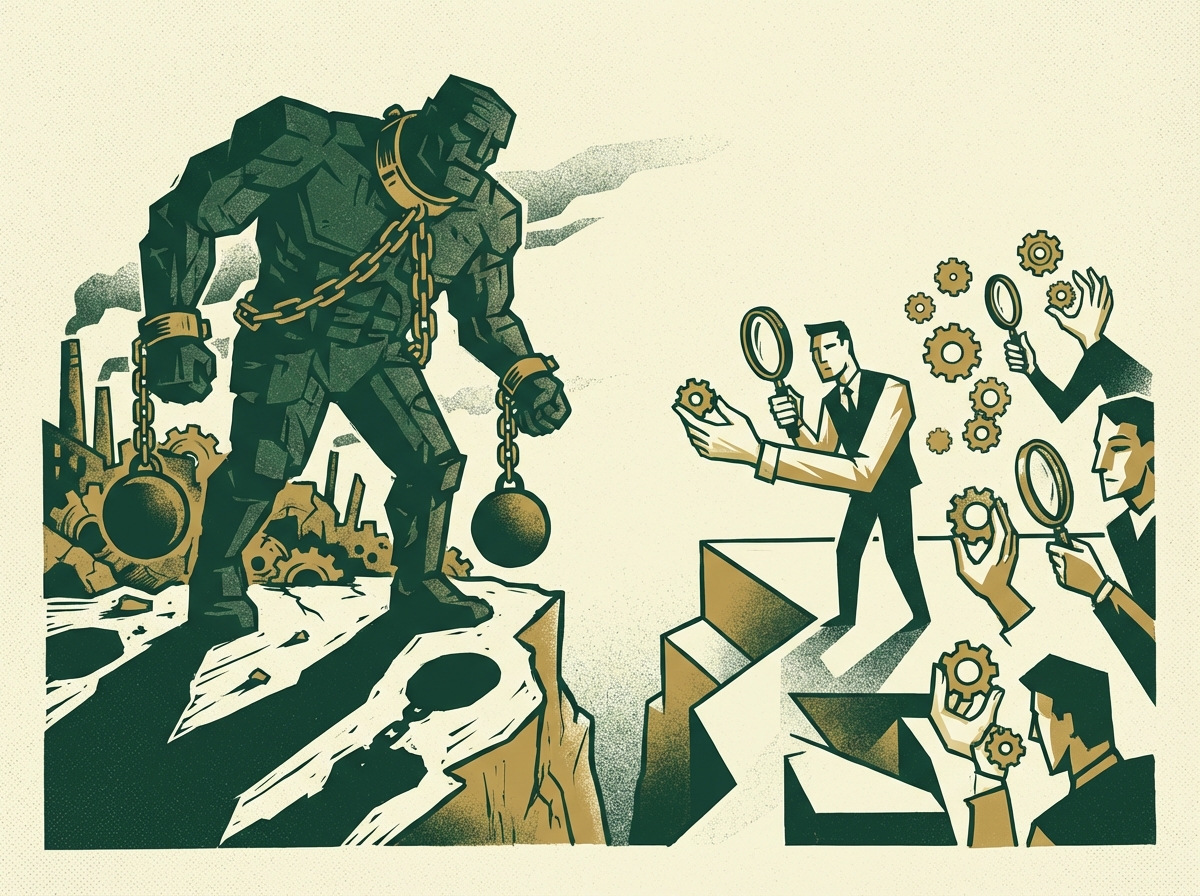
The Case for Debt: Why Control is the Most Expensive Currency
Debt financing’s primary advantage is the preservation of ownership and control, which are arguably a founder’s most valuable assets. When you take on debt, you’re renting capital. When you take on equity, you’re selling a piece of the building. And in 2026, that real estate is more valuable than ever. My conversations with founders consistently reveal that after a few rounds of funding, the average founder owns less than 15% of their company at the time of exit, a sobering statistic from Carta’s latest analysis.
Taking on debt means you avoid adding a new voice to your board, you sidestep complex shareholder agreements, and most importantly, you prevent the dilution of your (and your team’s) stake. Of course, debt isn’t a free lunch. It comes with covenants—financial guardrails you have to operate within. As detailed by legal experts at Sidley, these covenants are becoming more stringent, often tying you to specific leverage ratios or liquidity minimums. You’re trading a portion of your operational freedom for financial freedom from new investors.
Here’s a simplified breakdown I often sketch out for clients:
The Case for Equity: Your Buffer in a Storm
Equity’s greatest strength is its role as a powerful buffer against volatility and uncertainty. Debt is an unforgiving partner; it demands to be paid on schedule, regardless of whether you had a stellar quarter or a catastrophic one. Equity, on the other hand, is patient capital. Your investors are in the boat with you, rowing in the same direction, because their return is 100% tied to the long-term success of the business.
This "war chest" of equity capital allows you to make strategic bets—hiring a game-changing executive, acquiring a smaller competitor, or investing heavily in R&D—that a debt-laden balance sheet might not tolerate. According to a PGIM analysis, companies with stronger balance sheets and strategic capital partners consistently outperform their leveraged peers during market downturns. The right investors bring more than just money; they bring a network, expertise, and a steady hand during the inevitable storms. They’ve seen this movie before, and their guidance can be the difference between navigating a crisis and succumbing to it.
The Hybrid Approach: Getting Creative with Venture Debt and Mezzanine
The optimal capital structure optimization strategy for 2026 lies in rejecting the false dichotomy of debt versus equity and embracing a hybrid model. This layered approach uses different forms of capital for different purposes, maximizing growth while minimizing dilution.

When Venture Debt is Smarter Than a Series B
Venture debt is the smarter choice when you need growth capital to achieve specific, value-creating milestones before raising a major equity round. Think of it as a bridge to a better valuation. Let’s say you need $5 million to expand your sales team and launch in two new markets. You project this will increase your ARR by 80% over the next 18 months. Raising a full Series B now might value your company at $50 million. But if you take that $5 million in venture debt, hit your targets, and then go out to raise a Series B, your valuation could easily be north of $100 million. The small amount of dilution from the warrant attached to the debt (typically 1-2%) is a pittance compared to the massive dilution you avoided by not raising equity at the lower valuation. This trend is why publications like RealClearMarkets are calling 2026 “The Year of Venture Debt.”
The Role of Mezzanine Financing
Mezzanine financing is a sophisticated instrument that acts as a hybrid of debt and equity, typically structured as subordinated debt with an equity kicker. This is a tool for more mature companies—usually those with predictable cash flows—that are looking to fund a specific event like a management buyout, an acquisition, or a major capital expenditure. It’s more expensive than senior debt but significantly less dilutive than raising pure equity. When senior lenders tell you you’ve hit your borrowing limit but you believe a strategic acquisition could double your enterprise value, mezzanine financing from a partner like those described by Ellty can be the perfect solution to bridge that gap without giving away the farm.
Don't Guess: Modeling the Impact on Your Cap Table
Cap table modeling is the critical process of forecasting ownership dilution and financial outcomes under different financing scenarios. The worst mistake a founder can make is to make a multi-million dollar financing decision based on gut feel. You must build a spreadsheet and model the future. It’s the only way to truly understand the long-term cost of capital.
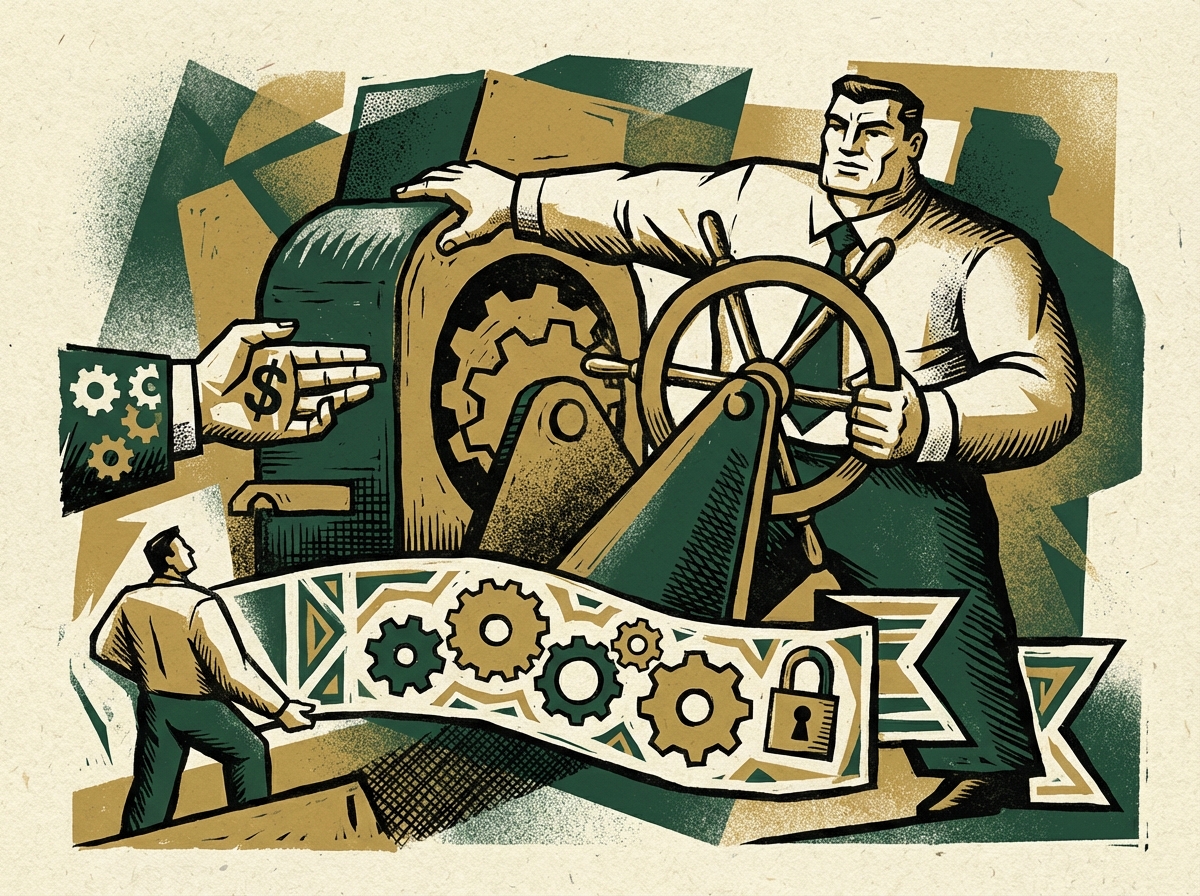
Here’s how my team and I model it out:
Scenario A (The All-Equity Route): Model a $15 million Series B at your current, realistic post-money valuation. Calculate the exact percentage of the company you’re selling and what your new ownership stake will be. Project this forward to a potential exit valuation in five years and see what your take-home amount is.
Scenario B (The Hybrid Route): Model a $5 million venture debt round today. Then, project your growth over the next 18 months, assuming you hit the milestones that capital enables. Now, model a $10 million Series B at the new, higher valuation. Factor in the dilution from the debt warrant and the new equity.
Nine times out of ten, we find that the founder’s ownership at exit is significantly higher in Scenario B. You’ve used cheaper, non-dilutive capital to finance a specific period of growth, creating immense enterprise value before selling your next slice of equity.
Ultimately, the capital you choose is more than just fuel; it’s a foundational piece of your company’s DNA. Choosing the right structure for the realities of 2026 isn’t just a financial exercise—it’s one of the most important strategic decisions you’ll ever make.
Frequently Asked Questions about Capital Structure
What are the trade-offs between debt and equity in 2026?
The primary trade-off in 2026 is between control and risk. Debt allows founders to retain ownership and control but introduces fixed repayment obligations and financial covenants, which can be risky if cash flow is volatile. Equity is less risky from a cash-flow perspective and often comes with a strategic partner, but it requires surrendering a permanent stake in the company and diluting control.
When is venture debt a smarter choice than a Series B?
Venture debt is smarter than a full Series B when a company needs a capital injection to reach key, de-risking milestones that will significantly increase its valuation in the near term (12-18 months). It serves as a capital bridge, allowing the company to raise its next equity round from a position of greater strength, thereby minimizing overall dilution.
How do current interest rates impact the cost of capital?
Even with recent easing, current interest rates remain elevated compared to the last decade, directly increasing the cost of debt financing. This makes the interest expense on loans higher, putting more pressure on a company's cash flow. It also indirectly affects equity by raising the "risk-free" rate of return, causing equity investors to demand higher potential returns on their investments to compensate for the added risk, which can lead to lower valuations.
