
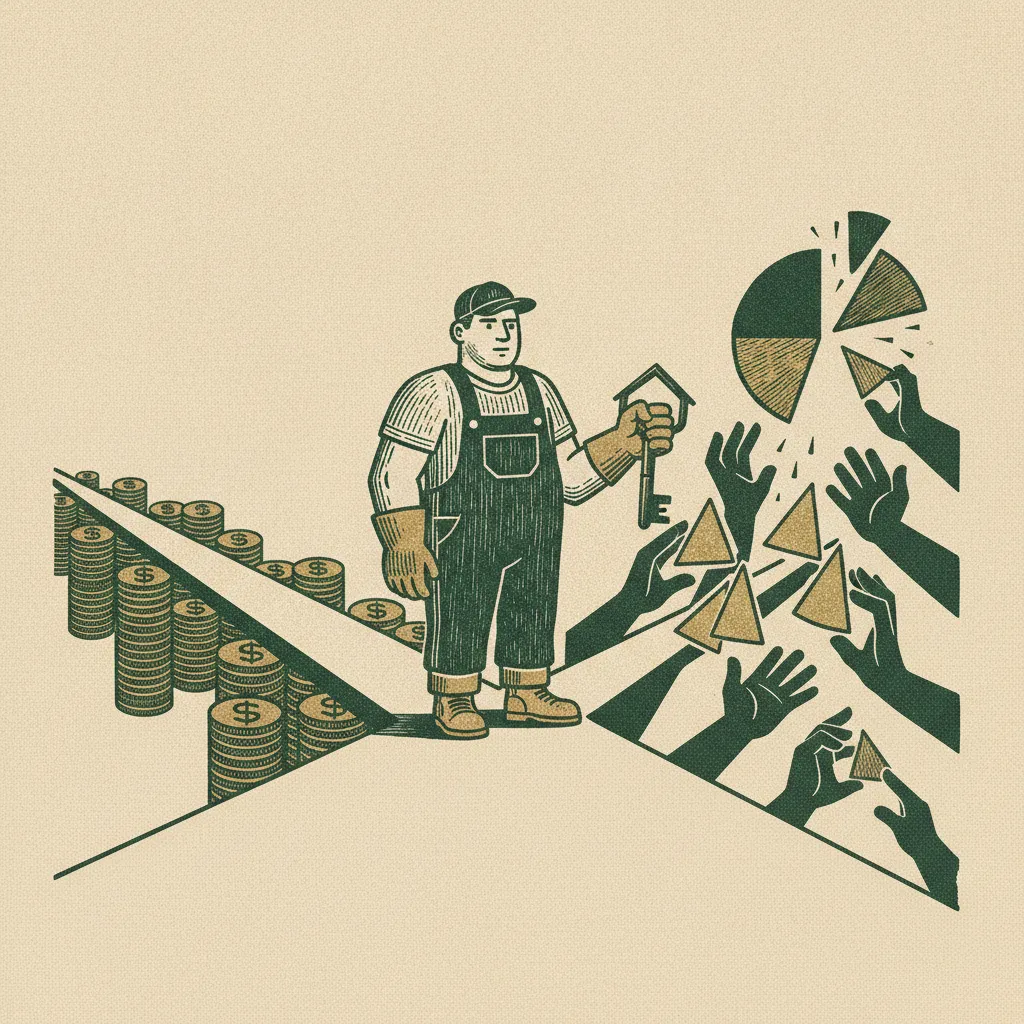
The Right Debt-to-Equity Mix for an Owner-Operated Company
- For an owner-operated company, capital structure optimization is a control problem first and a cost-of-capital problem second: the goal is to fund growth without handing a stranger a vote.
- Debt is the cheaper capital by a wide margin, roughly 3% to 8% after tax versus a 15% to 25% expected return on equity, and the interest is tax-deductible.
- There is no universal "right" ratio. A debt-to-equity band of 0.5 to 1.5 is healthy in the abstract, but the real ceiling is set by whether your cash flow covers the payments, not by a textbook number.
- Equity has its place: it is patient, it shares downside, and it buys expertise. The cost is permanent, because you never buy back the ownership at the price you sold it.
- Reset the mix on a schedule. The structure that fit a $5M business will quietly strangle a $20M one.
I have sat across the table from a lot of founders who treat the debt-versus-equity question as a personality test. The bold ones want to lever up. The cautious ones want to keep the balance sheet clean and raise a round when they need cash. Both are answering the wrong question. Capital structure optimization for an owner-operated company is not about temperament. It is about arithmetic, and the arithmetic for a company you intend to keep controlling is genuinely different from the venture-backed math that dominates the business press. Let me walk through how I think about it.
Why Owner-Operated Capital Math Differs
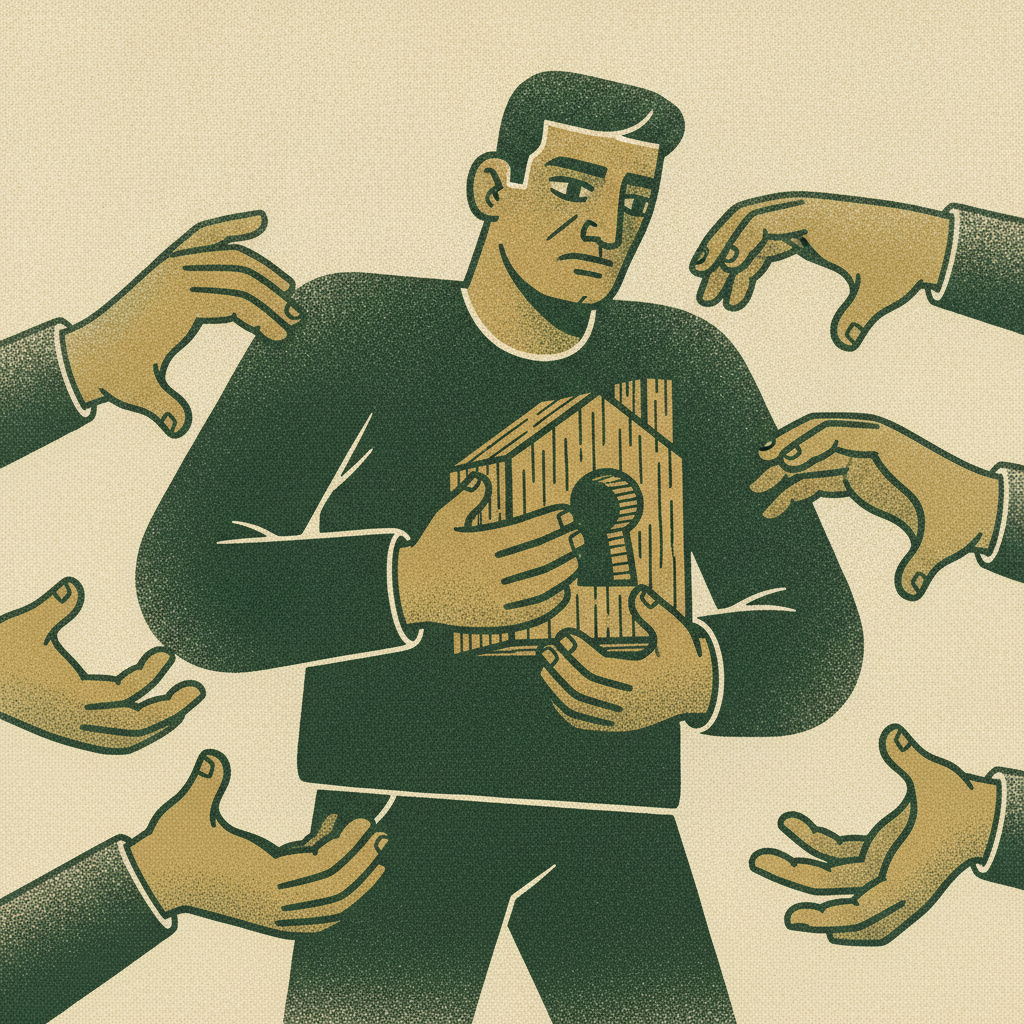
The difference starts with what you are optimizing for. A venture-backed company optimizes for growth at almost any cost to ownership, because the founders already accepted dilution as the price of the game. An owner-operated company optimizes for growth subject to keeping control, which is a harder problem and a more interesting one. When control is the constraint, equity stops being neutral capital and becomes the most expensive thing on the menu.
Corporate finance has a name for the instinct most good operators already have. It is called the pecking order, and it holds that profitable firms fund themselves from internal cash first, then debt, and treat outside equity as a last resort. As Wall Street Prep puts it, debt is preferred over equity because it carries lower information costs and lets owners keep control without dilution. Venture culture inverts this. It teaches founders that raising equity is a milestone worth celebrating. For a company you plan to own in ten years, it is closer to a mortgage on your future upside, except you never get the house back.
This is why I push clients to separate two ideas they usually blur together: the cost of capital and the cost of control. The first shows up on your income statement. The second shows up at every board meeting, every strategic disagreement, and eventually at the moment you try to sell. If you want the fuller menu of instruments, I laid it out in Debt, Equity, or Revenue-Based financing. Here I want to focus on the two poles and how to weigh them.
The Case for Debt
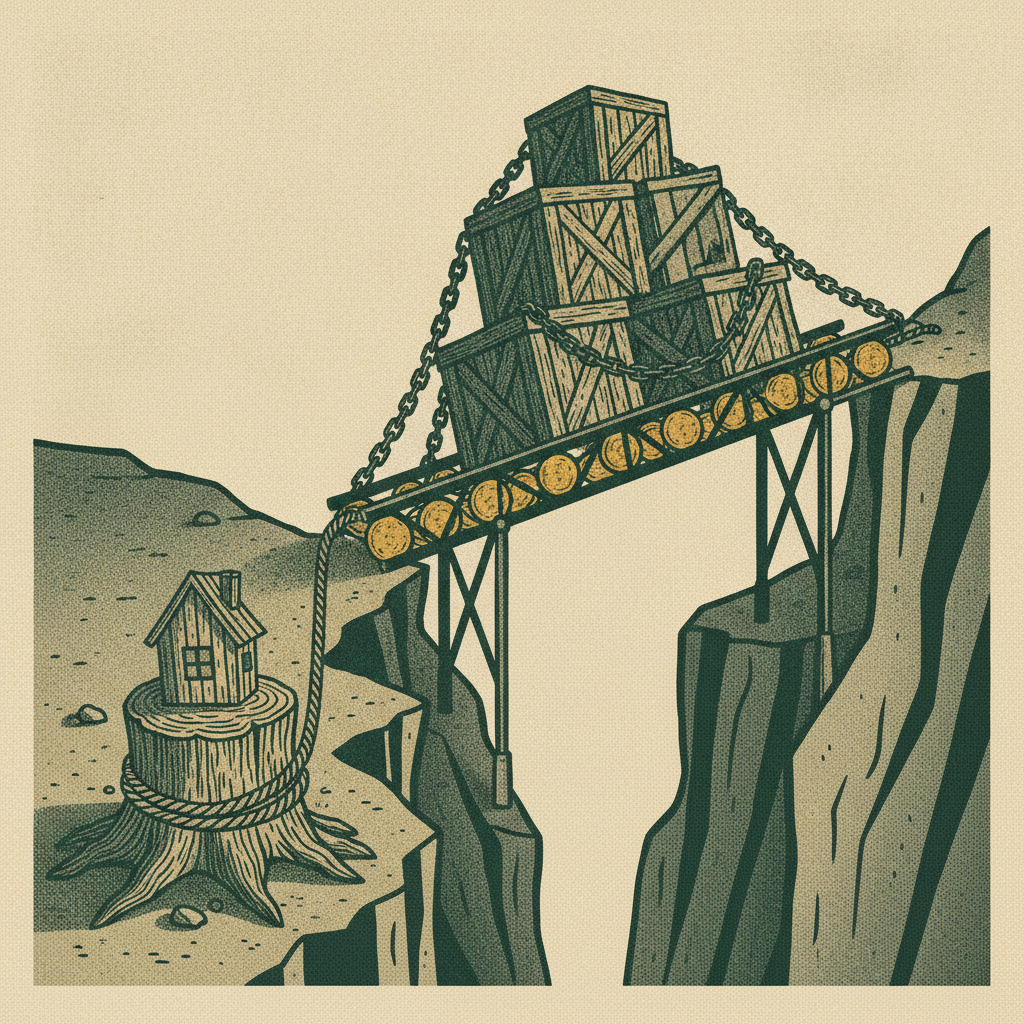
Debt wins on price, and it is not close. According to Phoenix Strategy Group, debt typically carries an after-tax cost of 3% to 8%, while equity investors expect a return of 15% to 25%. That gap is the single most underappreciated fact in small-business finance. When you fund a project with equity, your silent partner expects to earn triple or quadruple what a bank charges, forever, on every dollar of value that project creates.
The tax code widens the gap further. Interest is deductible, which means the government subsidizes part of your borrowing cost through what finance people call a tax shield. Lucid frames the trade cleanly: debt lowers your effective cost through deductibility and lets you fund growth without eroding ownership or alignment with your long-term vision. Dividends paid to equity holders get no such treatment.
And then there is the thing debt does not do: it does not take a piece of your company. You service the loan, and when it is paid off, the lender goes away and you own everything you built with the money. That is the whole ballgame for an owner-operator.
None of this makes debt free. It is a fixed claim that comes due whether or not the quarter went well. Rates are not trivial right now, either. SBA 7(a) loans in 2026 price roughly 10.5% to 15.5%, and per Lendio the exact number depends on loan size and whether you take a fixed or variable rate. There is also a personal cost most founders underweight. SBA lenders require an unlimited personal guarantee from every owner holding 20% or more, which PGI notes puts your personal assets on the line if the business defaults. Debt keeps your equity intact by putting your house at risk instead. That is a real trade, not a free lunch.

The Case for Equity
Equity earns its keep in exactly the situations where debt breaks. The clearest one is a business whose cash flow is too volatile or too early to carry a fixed payment. A loan does not care that your biggest customer paid late or that you are pre-revenue in a new line. Equity absorbs that volatility, because an equity holder only makes money when you do. When the downside is genuinely uncertain, sharing it is worth paying for.
The second case is expertise. A good equity investor brings a network, pattern recognition, and a seat at the table when you face a decision you have never faced before. A bank brings a payment schedule. If you are entering a market where you need a guide as much as you need cash, the dilution can be the cheapest part of the deal.
The honest cost of equity is that it is permanent and it is asymmetric. When you sell shares cheap and the company later triples, you do not get to buy them back at the old price. You have given away a slice of every future dollar. This is why I treat an equity raise as a decision to be timed and sequenced, not a reflex. When a round genuinely is the right move, knowing when a bridge round saves the company and when it just delays the reckoning matters more than the fact of raising at all. The point is to choose equity because the situation demands it, not because raising money feels like progress.
Finding Your Mix: Capital Structure Optimization in Practice
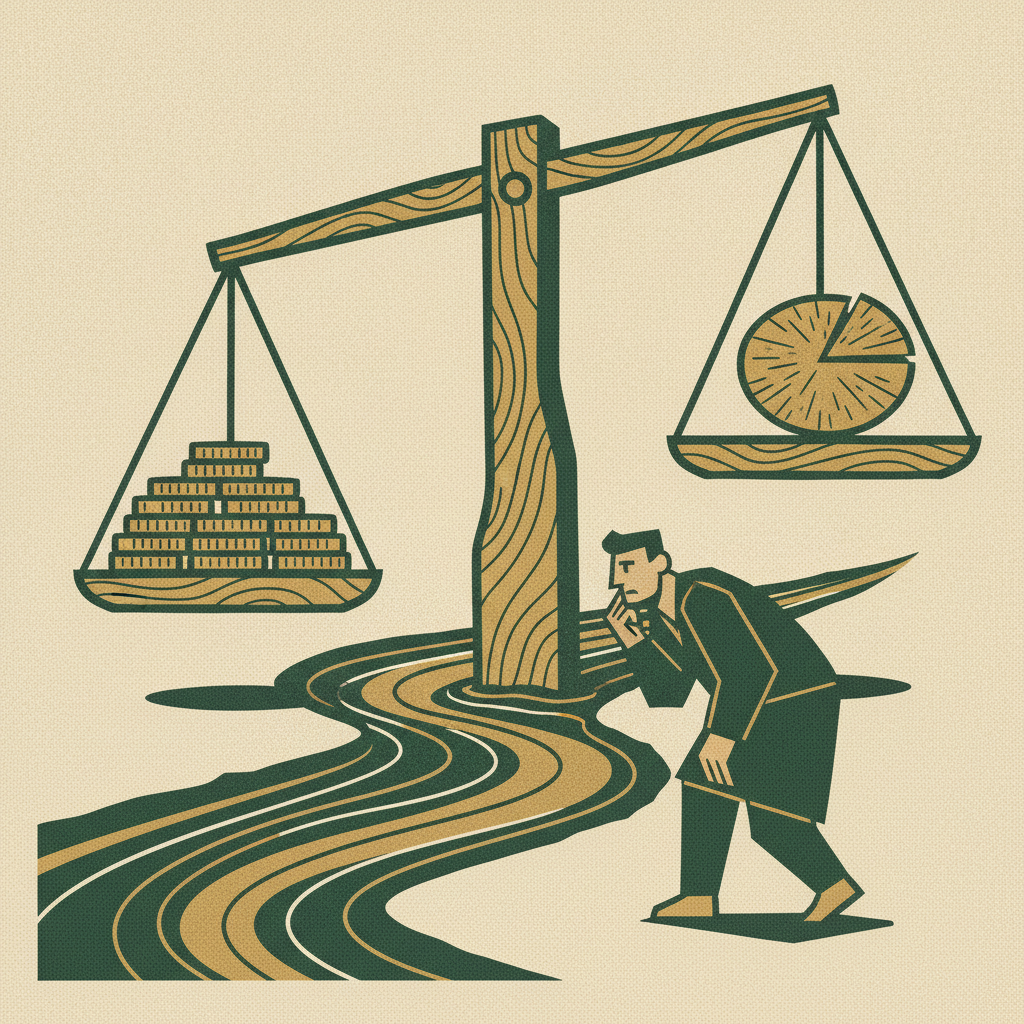
The right mix is the one where the marginal benefit of one more dollar of debt equals its marginal cost in risk. That is the trade-off theory, and as the ERAU corporate finance text describes it, the optimum sits between zero debt and maximum leverage: enough borrowing to capture the tax shield and keep control, not so much that a bad quarter threatens the company.
In practice I do not start with a target ratio. I start with coverage. Can the business service the debt out of reliable cash flow with room to spare? If a normal downturn would push debt-service coverage toward 1.25x, you are already near the edge. The ratio is a symptom; cash flow is the disease. This is the same discipline behind the runway math I use with clients, applied to fixed obligations instead of burn.
Only after coverage do I look at the debt-to-equity number, and then only against the right benchmark. Towerpoint Wealth puts a healthy band at 0.5 to 1.5, but "healthy" is sector-relative. Data from MonitorDaily shows small-business norms heading into 2025 of roughly 2.3x in construction, 2.0x in manufacturing, 1.9x in retail, and 1.2x in healthcare. A manufacturer at 1.8x is conservative; a services firm at 1.8x is stretched. The same source found that companies above a 2.0x ratio are about 35% more likely to hit financial trouble within five years than those under 1.0x. That is the number I keep taped to the wall.
Revisiting Capital Structure Optimization as You Grow
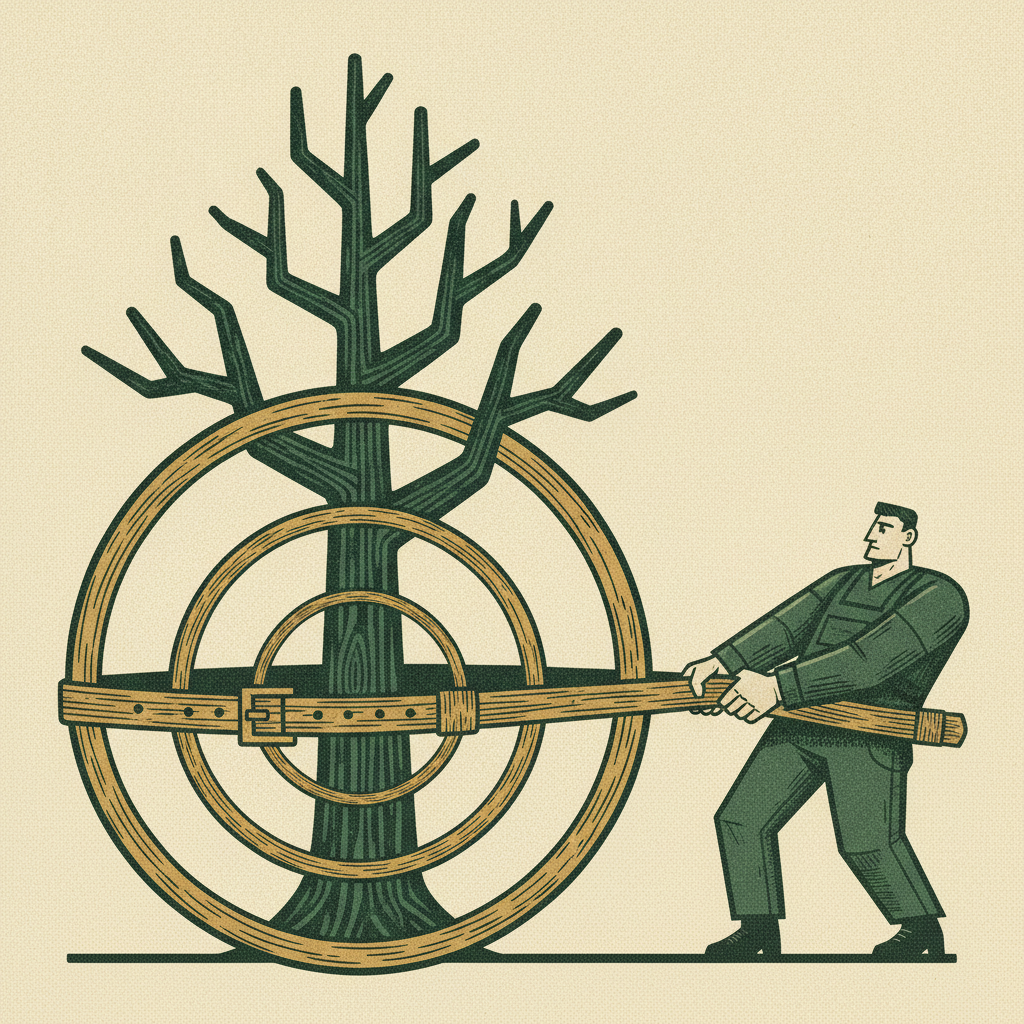
Your capital structure has a shelf life. The mix that fit you at $5M in revenue, when a personal guarantee felt enormous and a bank barely returned your calls, is the wrong mix at $20M, when you have collateral, a track record, and real negotiating leverage. Owners who set the structure once and never revisit it tend to be underlevered at scale, quietly leaving cheap capital on the table while their competitors use it.
I recommend a formal review at least annually and at every inflection: a major acquisition, a new facility, a step-change in revenue, or a shift in rates. Each of those changes both your cost of debt and your capacity to carry it. Growth also changes the control calculus. A larger, more durable business can absorb more leverage precisely because its cash flows are steadier, which means you can lean harder on debt and defend your ownership even more effectively than you could as a smaller company.
The through-line is simple. Treat capital structure optimization as a living decision tied to your cash flow, your sector, and your appetite for personal risk, not as a one-time setting or a matter of temperament. Get that habit right and you can grow aggressively while keeping the thing most owner-operators actually care about: the company, and the control of it.

Frequently Asked Questions
What Is a Good Debt-to-Equity Ratio for a Small Business?
Broadly, a debt-to-equity ratio of 0.5 to 1.5 is considered healthy, but you should judge it against your sector rather than in the abstract. Construction and manufacturing routinely run above 2.0x, while services and healthcare sit closer to 1.2x. Once you climb past 2.0x, lenders and buyers start scrutinizing your stability.
Should an Owner-Operated Company Take on Debt?
Usually yes, when two conditions hold: the return on the funded project clears debt's after-tax cost, and your cash flow reliably covers the payments through a normal downturn. Debt lets you grow while keeping full ownership and control, which is exactly what most owner-operators are optimizing for.
How Much Leverage Is Too Much?
Leverage becomes dangerous when debt-service coverage drifts toward 1.25x, when interest coverage nears 2x, or when your debt-to-equity ratio exceeds your sector norm with no covenant headroom left. The ceiling is set by how comfortably your cash flow covers the obligations, not by a single target ratio.
Is Debt or Equity Cheaper for a Private Company?
Debt is materially cheaper: roughly 3% to 8% after tax versus a 15% to 25% expected return on equity. Interest is also tax-deductible, while equity costs you a permanent share of every future dollar the business earns. For a company you intend to keep, that permanence makes equity the more expensive option even before you count the loss of control.
Do SBA Loans Require a Personal Guarantee?
Yes. SBA 7(a) loans require an unlimited personal guarantee from every owner holding 20% or more equity. So while debt preserves your ownership, it does so by putting your personal assets on the line, a trade worth weighing before you sign.
References
- Wall Street Prep: Pecking Order Theory
- Phoenix Strategy Group: Debt vs Equity: Cost of Capital Comparison
- Lucid: Equity Dilution vs. Debt: Cost Implications
- Lendio: Current SBA Loan Interest Rates
- PGI: SBA 7(a) Personal Guarantee: Rules, Mechanics, and Release (2026)
- ERAU Corporate Finance: Cost of Capital: Effect of Capital Structure
- Towerpoint Wealth: What Is a Good Debt to Equity Ratio? (2025)
- MonitorDaily: Debt-to-Equity Trends Across Small Business Sectors: A 2025 Outlook
