
The Data Room Checklist Investors Actually Open
- Investor Readiness is judged in the data room, the organized set of documents investors review before they wire. A clean room signals a company in control; a messy one raises doubts no pitch can erase.
- Investors open the financials first: GAAP-compliant income statements, balance sheets, and cash flows for the past 24 months plus year-to-date, and projections for the next 3 to 5 years.
- They then check ownership and legal: the cap table with all SAFEs and notes, incorporation documents, and bylaws.
- Product traction, MRR and ARR, growth, retention, turns the story into evidence.
- Investors review in a predictable order, so organize the room that way and share read-only. Diligence speed itself signals quality.
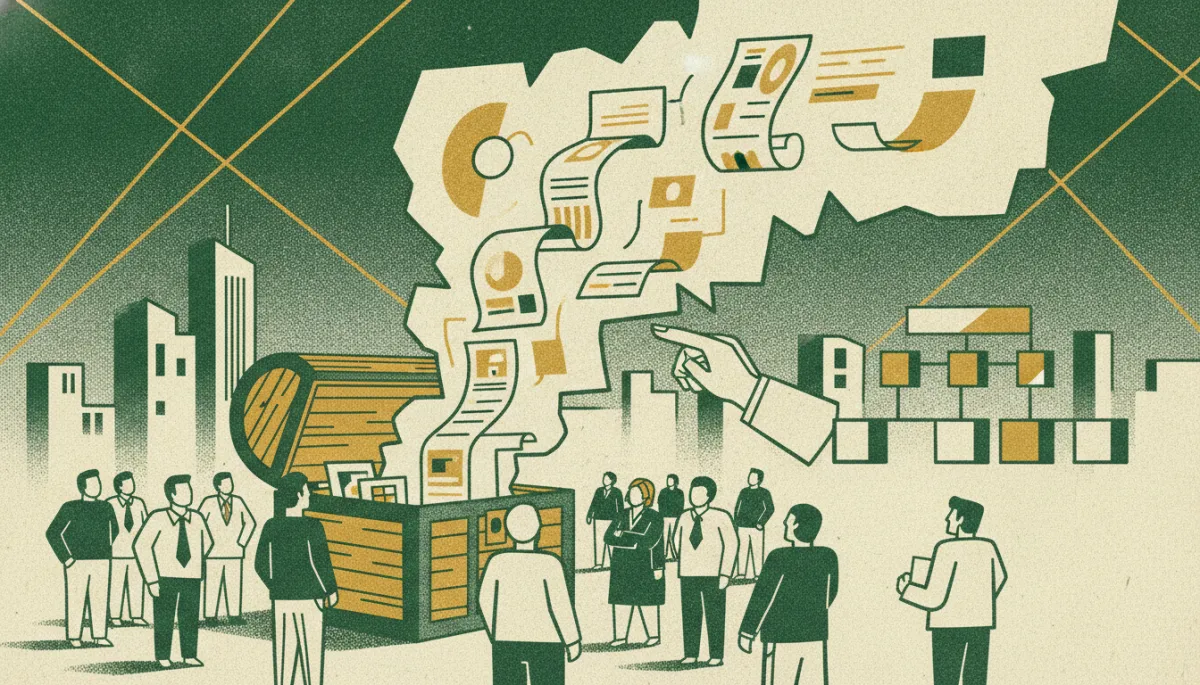
A pitch gets you the meeting; the data room gets you the money. By the time an investor is reviewing your documents, the question has shifted from whether your story is compelling to whether your company is real and well-run, and that question gets answered in the room, not the deck. Investor Readiness is largely about having that room organized and complete before you need it. A founder who assembles the data room in a panic mid-process signals exactly the disorganization investors are screening for. Here is what belongs in the room investors actually open, and how to arrange it to pass diligence fast.
Why the Data Room Is Your First Real Test
The data room is where Investor Readiness stops being a narrative and becomes verifiable fact. The pitch is your claim; the data room is the evidence. Investors use it to confirm that the numbers you presented hold up, that the company is legally sound, and that the operation behind the story is actually in order. A complete, well-organized room tells them you run a tight company; a room full of gaps, stale documents, and reformatted spreadsheets tells them the opposite, regardless of how good the pitch was.
This is why the room is a test of operational quality, not just document collection. As Ascent CFO frames it, the room is where investors confirm financial control and governance, and weaknesses there can stall or kill a deal that the pitch had going well. The founders who raise smoothly are the ones who treat the data room as a standing asset, kept current as part of good Investor Readiness, rather than a fire drill assembled once a term sheet is in sight. Preparing it early is itself the signal investors are looking for.
The Financial Documents Investors Open First
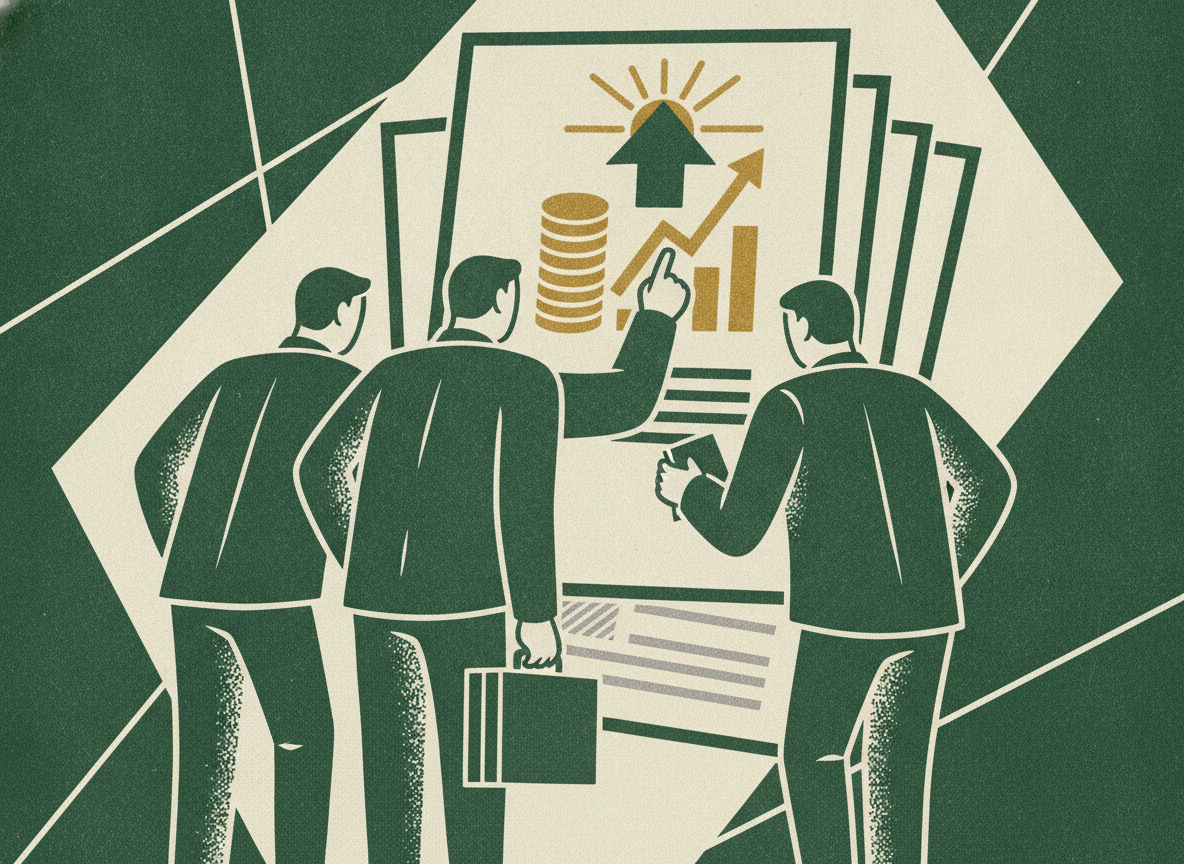
Investors open the financials first, because that is where they verify the company's claims about itself. The expectation is GAAP-compliant statements, income statement, balance sheet, and cash flow, covering the past 24 months plus year-to-date results, according to Lazo. Alongside the historicals, they want forward projections for the next 3 to 5 years that connect credibly to the actuals. The historicals prove what happened; the projections show whether you understand your own model.
What matters here is consistency and credibility, not polish. The numbers in the data room must match the numbers in your pitch, and the projections must trace to defensible drivers rather than a hockey-stick someone wished into a cell. Investors read sloppy or inconsistent financials as a proxy for sloppy operations, and they read clean, reconciled statements as evidence of a company that knows its numbers. This is precisely where a fractional CFO earns the engagement, because producing investor-grade financials, accurate, GAAP-compliant, and internally consistent, is exactly the work that turns a shaky data room into a strong one and protects your Investor Readiness under scrutiny.
Corporate, Cap Table, and Legal
After the financials, investors check that the company is legally sound and that they understand exactly what they would own. The cap table is central: it must show the full ownership structure, every shareholder and their stake, plus all outstanding convertible notes and SAFEs, as GoingVC notes. A cap table that omits a SAFE or miscounts dilution is a serious red flag, because the investor is trying to calculate precisely what their money buys.
The legal documents establish that the company is a real, well-formed entity. Certificate of incorporation, bylaws or articles, and the governance documents that define shareholder rights all belong here. These confirm the company is properly registered and that the rights being offered are real and clean. Gaps or inconsistencies in this section create legal uncertainty that investors will not fund through, because they cannot assess what they are buying if the corporate foundation is unclear. Keeping the cap table and corporate documents current and accurate is unglamorous but essential Investor Readiness work, and it is far cheaper to maintain continuously than to reconstruct under diligence pressure.
Traction and Product Metrics
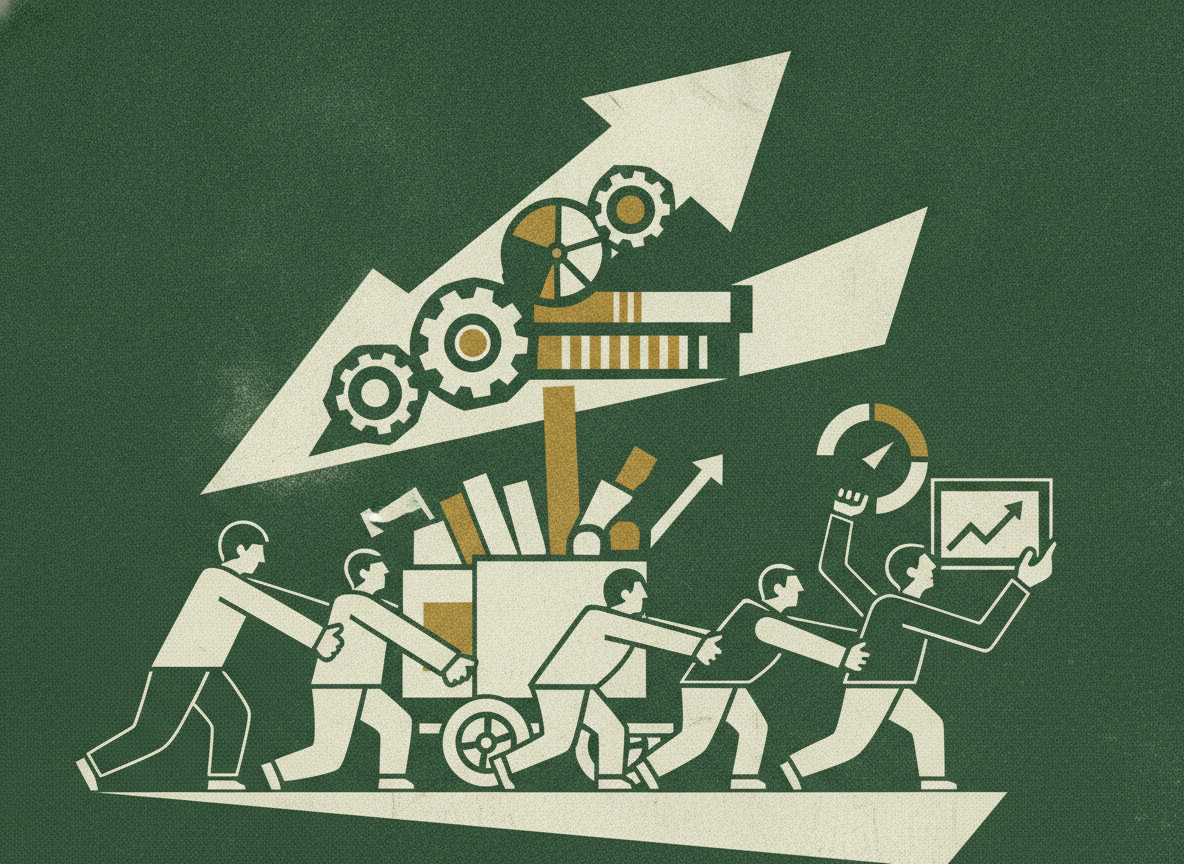
Traction is where the financials and the story meet evidence, and it is what separates a fundable company from a promising idea. Investors want the metrics that prove customers value what you have built: customer growth and retention, and revenue metrics like MRR and ARR, supported by product materials such as a demo or usage data. These turn your claims about product-market fit into something they can measure rather than take on faith.
The key is that traction metrics must be honest and well-defined. Investors have seen every flattering way to present numbers, so clean, clearly defined metrics, with churn and retention calculated the standard way, build far more trust than impressive-looking figures that fall apart under a follow-up question. The strongest traction sections show not just growth but the quality of that growth: retention that holds, revenue that recurs, customers that expand. Presenting this clearly is part of Investor Readiness because it demonstrates that you understand which metrics actually matter, which itself signals a founder who knows their business at the level investors want to fund.
Organizing the Room to Pass Diligence Faster
How you organize the data room affects how fast diligence moves, and speed itself is a signal. Investors review documents in a predictable sequence, legal setup, ownership, financial control, product and IP, customers, team, and security, so structuring the room in that order lets them move through it without friction, per startupdatarooms.com. A room organized the way investors think is one they can clear quickly, which keeps your process moving and your momentum intact.
Two practical rules round this out. Share documents in read-only formats rather than editable files, so nothing gets accidentally changed and the investor sees exactly what you intended. And match the depth to your stage: a pre-seed room focuses on the essentials, deck, projections, cap table, formation documents, and early validation, while later rounds demand comprehensive financials, possibly audited, detailed metrics, and fuller compliance documentation. A well-organized, stage-appropriate, read-only room lets investors confirm their interest fast instead of stalling on missing or disorganized files. In a competitive raise, that speed can be the difference between closing on your terms and losing momentum, which is the ultimate practical payoff of strong Investor Readiness.
Frequently Asked Questions
What Financial Documents Do Investors Expect in a Data Room?
GAAP-compliant income statements, balance sheets, and cash flow statements covering the past 24 months plus year-to-date results, along with financial projections for the next 3 to 5 years. The historicals prove what happened and the projections show you understand your model. The numbers must match your pitch and trace to defensible drivers, since investors read inconsistent financials as a sign of weak operations.
What Goes in the Cap Table Section?
The full ownership structure, every shareholder and their stake, plus all outstanding convertible notes and SAFEs. Investors use the cap table to calculate exactly what their investment would buy and how it dilutes, so omitting a SAFE or miscounting is a serious red flag. Keep it current and accurate, because reconstructing it under diligence pressure is far harder than maintaining it continuously.
How Should a Data Room Be Organized?
In the order investors review: legal setup, ownership, financial control, product and IP, customers, team, and security. Structuring the room this way lets investors move through it without friction, which speeds diligence and preserves your momentum. Share documents in read-only formats so nothing is accidentally changed, and match the room's depth to your stage rather than overloading an early round.
How Does Data Room Quality Affect a Raise?
A clean, complete, well-organized room signals a company in control and lets investors confirm interest quickly, while a messy room with gaps and stale documents raises doubts the pitch cannot overcome. Diligence speed itself reads as a quality signal. Founders who keep the room current as standing Investor Readiness, rather than assembling it in a panic mid-process, raise more smoothly and on better terms.
References
