
Concentration Risk Beyond Customers: Suppliers and Channels
- Most founders know about customer concentration risk, but the same Financial Risk Management logic applies to suppliers and sales channels, and those are easier to overlook.
- Single-supplier dependence is a production-halting risk: if your sole source of a critical input fails, financially, geographically, or operationally, your business can stop.
- The scale is real: single-source supplier dependence affected 75% of companies in a McKinsey study, and third-party failures are now a leading cause of business disruption.
- A useful benchmark is that no single supplier should account for more than 20 to 30% of total spend, with similar logic for sales channels.
- The mitigation is diversification, of suppliers, geographies, and channels, balanced against the cost of over-engineering, so you reduce the concentration that could actually halt the business.
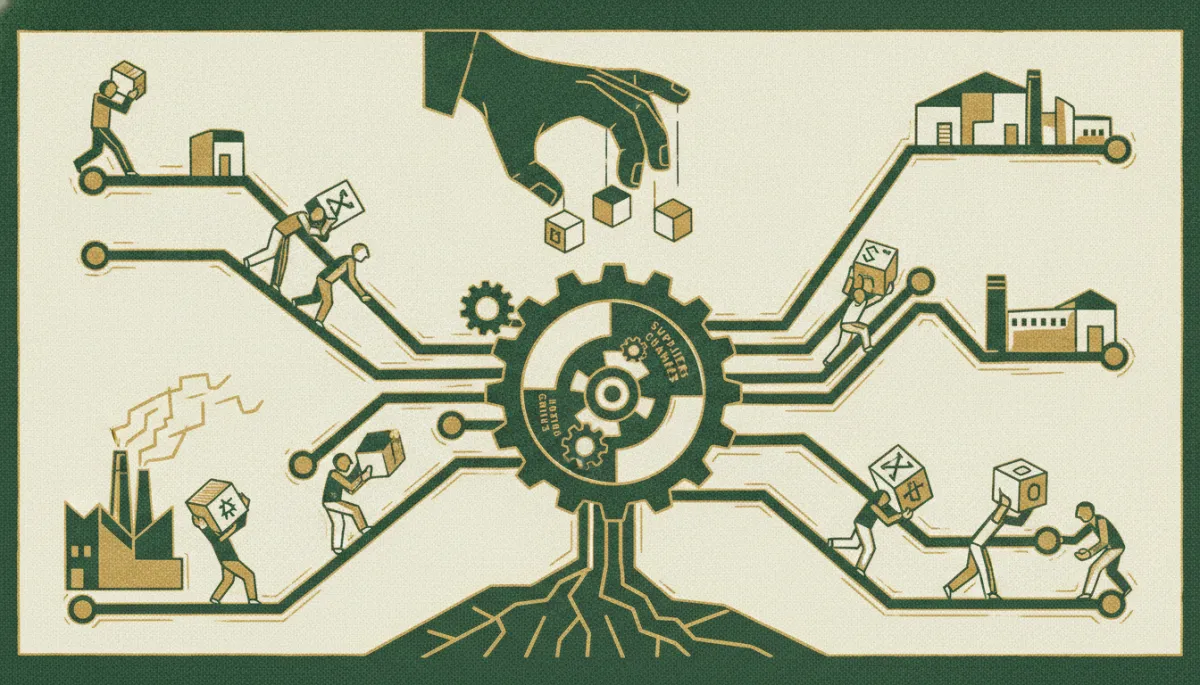
When founders think about concentration risk, they think about customers: the danger of one client representing too much of revenue. That is real, but it is only one face of a broader Financial Risk Management problem. The same fragility exists on the supply side, depending on a single supplier for a critical input, and on the distribution side, depending on a single channel to reach customers. These concentrations are easier to ignore because they are less visible than a dominant customer, but they can be just as fatal: a sole supplier's failure can halt production, and a single channel's loss can cut off your market. Here is how to think about concentration risk beyond customers, and how to manage it.
The Concentration Risk Founders Forget
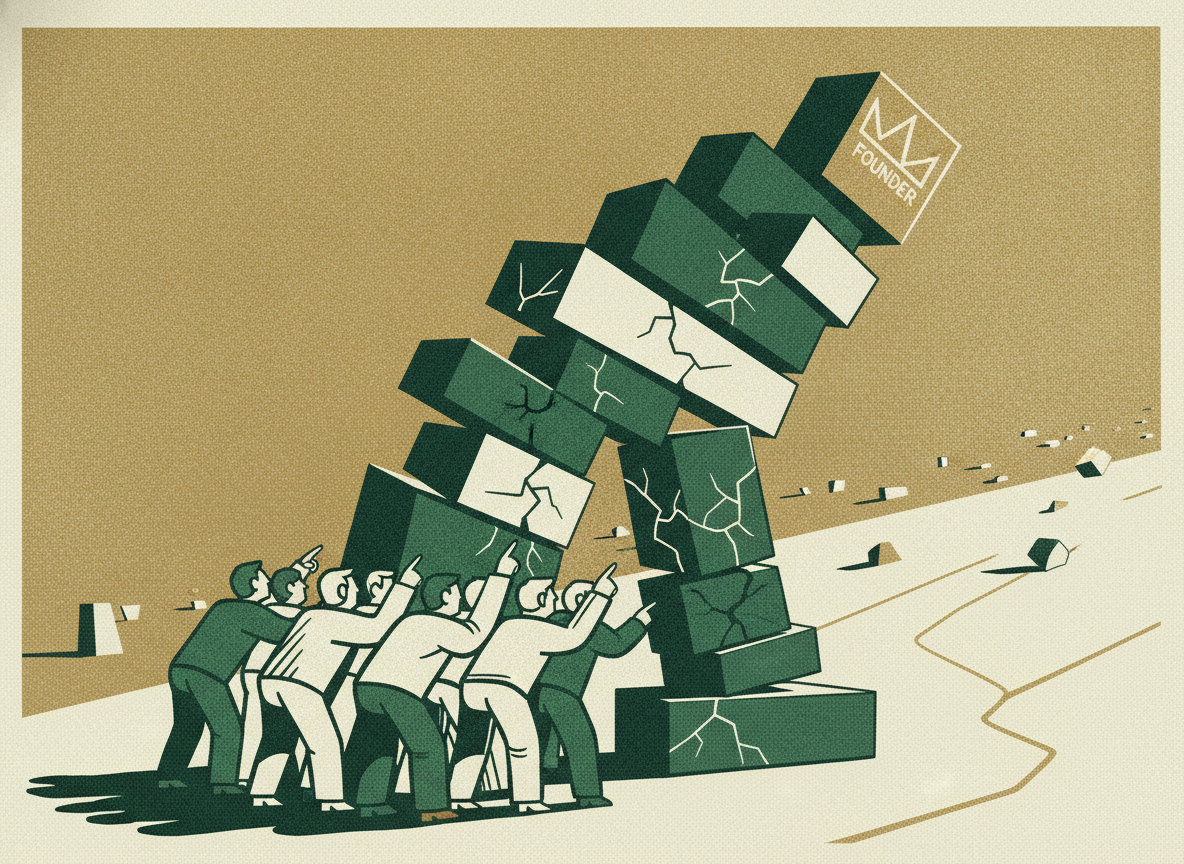
Concentration risk is the danger of depending too heavily on any single point, and while founders readily grasp it for customers, they often overlook it for suppliers and channels. The principle is identical across all three: relying too much on one customer, one supplier, or one channel creates a vulnerability where the loss of that single relationship can severely damage or even end the business. As Risk Ledger notes, overreliance on a limited number of suppliers, regions, or routes is one of the main vulnerabilities in any supply chain, mirroring the customer-concentration risk founders already understand.
The reason supplier and channel concentration get overlooked is that they are less salient than customer concentration. A customer representing 40% of revenue is visible on every report; a supplier providing 100% of a critical component, or a single channel delivering most of your customers, may not register as a risk until it fails. Yet the exposure is just as serious, because the business depends on that single relationship continuing to function. Good Financial Risk Management applies the concentration-risk lens comprehensively, to the supply side and the distribution side as well as the customer side, rather than stopping at the most obvious one. A founder who has diversified their customers but depends entirely on one supplier or one channel has addressed only a third of their concentration risk, leaving two significant vulnerabilities unmanaged. Recognizing that concentration risk extends beyond customers is the first step to managing the full exposure.
Single-Supplier Dependence: A Production-Halting Risk
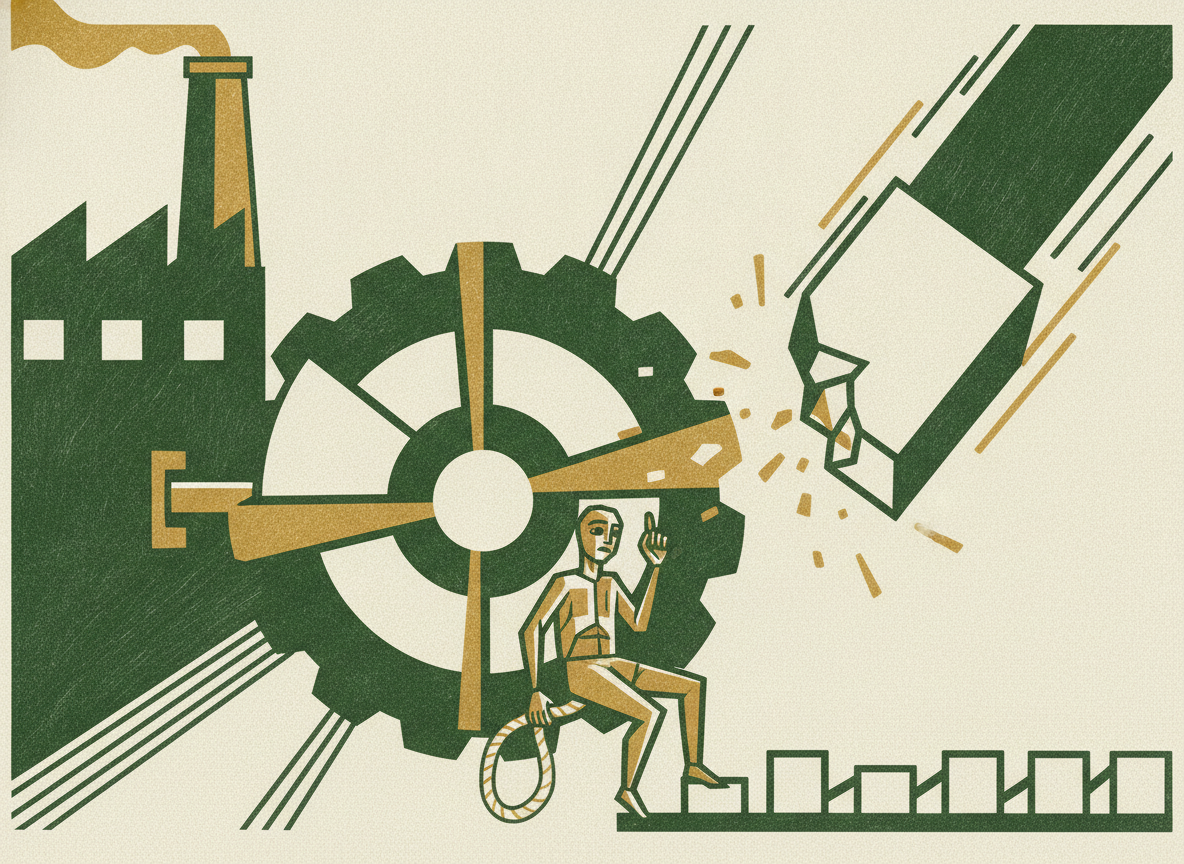
The most dangerous form of supply-side concentration is single-supplier dependence for a critical input, because if that one supplier fails, your business can stop entirely. Depending on a single supplier for critical components creates vulnerability to a complete production shutdown when that supplier fails, and the supplier can fail for many reasons, financial trouble, a regulatory change, a cyberattack, a natural disaster, any of which can instantly halt your production, as Deliberate Directions describes. The risk is not just price increases or quality issues but the binary possibility that the input simply becomes unavailable.
The scale of this risk has been demonstrated repeatedly. Single-source supplier dependence affected 75% of companies according to McKinsey research during the supply-chain disruptions of 2021, and third-party failures now rank as a leading cause of business disruption, accounting for a significant share of all incidents. These are not theoretical concerns; they are among the most common ways that otherwise healthy businesses get disrupted. For a company that depends on a single supplier for something essential, the supplier's continued operation is effectively a load-bearing assumption of the entire business, an assumption outside the company's control. This is exactly the kind of exposure that Financial Risk Management exists to identify and mitigate, because the cost of the supplier failing, a production halt with no alternative, can be catastrophic, while the cost of having a backup is modest. Single-supplier dependence on a critical input is one of the most serious and most overlooked concentration risks a company can carry.

The 20-30% Rule
A practical benchmark helps translate the abstract concern about concentration into a concrete target: no single supplier should account for more than 20 to 30% of total spend, though the right threshold varies by industry, as the field generally advises. This rule of thumb gives founders a clear way to assess their supplier concentration: if one supplier represents far more than 30% of what you spend, you have a concentration that warrants attention, while a spread where no supplier dominates is healthier and more resilient.
The same logic, with adjusted thresholds, applies to sales channels and geographies. If a single sales channel, one marketplace, one major retail partner, one referral source, delivers the large majority of your customers, you have channel concentration that mirrors supplier concentration, and the loss of that channel would cut off most of your market. The benchmark is a starting point for assessment, not a rigid rule, since some concentration is unavoidable and not all of it is equally dangerous, a backup-able supplier at 40% of spend is less risky than a sole-source supplier of a critical, hard-to-replace component at 100%. But applying a threshold like the 20 to 30% guideline forces the useful question: where am I more dependent on a single relationship than is prudent, and is that dependence on something I could not quickly replace? Using these benchmarks to systematically assess supplier, channel, and geographic concentration is a practical application of Financial Risk Management that surfaces the dependencies most worth addressing.
Channel and Geographic Concentration
Beyond suppliers, two further forms of concentration deserve attention: dependence on a single sales channel and dependence on a single geography, both of which can be as dangerous as supplier concentration. Channel concentration occurs when most of your customers come through one route to market, a single marketplace, a dominant advertising platform, one large distribution partner, or one referral source. If that channel changes its terms, its algorithm, or its willingness to work with you, or simply declines, your access to customers can collapse, regardless of how good your product is. Many companies have been severely damaged by an over-dependence on a single platform that changed the rules.
Geographic concentration adds another dimension, particularly relevant in 2025's environment of rising geopolitical tensions and supply-chain disruptions. Overreliance on suppliers or operations concentrated in a single region exposes the business to regional disruptions, political risk, tariffs, and logistical interruptions, all of which have become more salient with US-China tensions, conflicts, and shipping crises, as Risk Ledger notes. Geographic diversification, including strategies like nearshoring and friendshoring, creates a supply network that can withstand a regional disruption without halting operations. For a founder, the lesson is that concentration risk has multiple faces, supplier, channel, and geographic, and each represents a way the business could be severely disrupted by the failure or change of a single point of dependence. A comprehensive Financial Risk Management approach assesses all of these, because a company can be well-diversified on customers and suppliers but still dangerously dependent on a single channel or region, leaving a critical vulnerability unaddressed.

Diversifying Without Over-Engineering
The response to concentration risk is diversification, but the practical challenge is to diversify enough to remove the dangerous dependencies without over-engineering the business in ways that add cost and complexity for little benefit. Supplier diversification means intentionally spreading procurement across multiple suppliers and, where relevant, multiple regions, so that a disruption to one source does not halt production, as Deliberate Directions describes. The same applies to channels, developing more than one route to market, and to geography, avoiding total dependence on a single region.
The balance is important, because diversification has costs: managing multiple suppliers, channels, or regions adds complexity and can sacrifice the efficiency and pricing that concentration sometimes provides. The goal is not to eliminate all concentration, which would be expensive and often impractical, but to address the concentrations that pose genuine, business-halting risk. The priority should be the single points of failure: the sole supplier of a critical input, the one channel that delivers most customers, the single region the business cannot operate without. These warrant the investment in a backup or an alternative even at some cost, because the downside of their failure is severe. Less critical concentrations can be accepted with eyes open. This is the judgment at the heart of Financial Risk Management applied to concentration: identify the dependencies that could actually halt or severely damage the business, diversify those deliberately even at some cost, and accept the rest. A founder who does this, addressing supplier, channel, and geographic concentration with the same discipline they would apply to customer concentration, removes the hidden single points of failure that most threaten the company, while avoiding the trap of over-engineering resilience the business does not need. That balanced, comprehensive approach to concentration risk is what builds genuine resilience.

Frequently Asked Questions
What Is Concentration Risk Beyond Customers?
It is the same overdependence danger founders know from customer concentration, applied to suppliers and sales channels. Relying too heavily on one supplier for a critical input, or one channel to reach customers, creates a vulnerability where losing that single relationship can severely damage or end the business. These are easier to overlook than a dominant customer but can be just as fatal, since a sole supplier's failure can halt production and a single channel's loss can cut off your market.
How Dangerous Is Single-Supplier Dependence?
Very. Depending on a single supplier for a critical component exposes you to a complete production shutdown if that supplier fails for any reason, financial trouble, regulatory change, cyberattack, or disaster. Single-source dependence affected 75 percent of companies in a McKinsey study during 2021, and third-party failures are now a leading cause of disruption. The supplier's continued operation becomes a load-bearing assumption outside your control.
What Is a Safe Level of Supplier Concentration?
A common benchmark is that no single supplier should account for more than 20 to 30 percent of total spend, though thresholds vary by industry. Similar logic applies to channels and geographies. The benchmark is a starting point for assessment, not a rigid rule, since a replaceable supplier at 40 percent is less risky than a sole-source supplier of a critical, hard-to-replace component. It surfaces the dependencies most worth addressing.
How Do You Manage Concentration Risk Without Over-Engineering?
Prioritize the single points of failure that could actually halt the business, the sole supplier of a critical input, the one channel delivering most customers, the single region you cannot operate without, and diversify those deliberately even at some cost. Accept less critical concentrations with eyes open, since diversification adds complexity and can sacrifice efficiency. The goal is to remove the business-halting dependencies, not to eliminate all concentration.
References
