
AI Forecasting: Promise, Limits, and What to Trust
- AI is genuinely improving financial forecasting, and used well it is a powerful addition to your Financial Modeling, but it has real limits founders must understand before trusting it.
- The promise is measurable: only 42% of organizations rate their forecasts as good, but among those using AI and machine learning, that rises to 65%.
- The biggest limit is data quality. An AI model trained on messy data confidently produces wrong forecasts, and confident-but-wrong is more dangerous than obviously uncertain.
- AI also struggles with thin historical data and requires real expertise to reach its potential of sub-5% forecast error.
- The right approach is to run AI forecasting in parallel with your traditional model on a reliable use case, keeping human judgment as the validator before it drives major decisions.
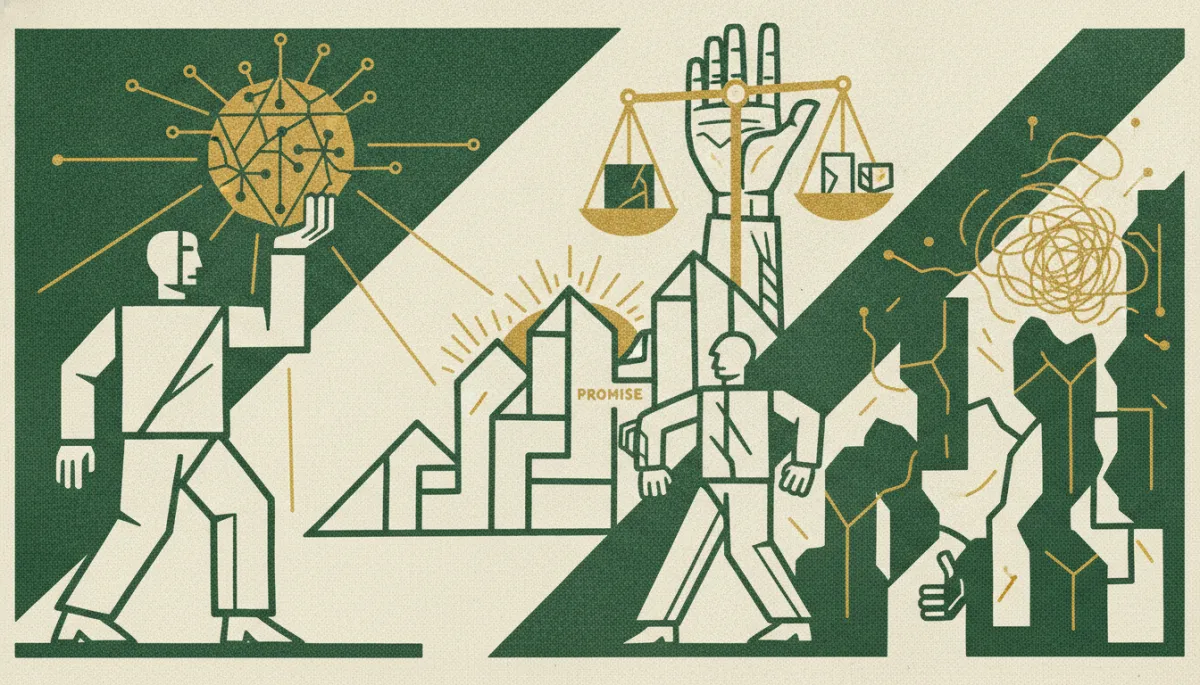
AI forecasting is one of the most hyped capabilities in finance, and like most hype it contains a real kernel surrounded by overstatement. The real part is that AI genuinely improves forecast accuracy when conditions are right. The overstatement is the implication that you can hand your forecasting to a model and trust the output. The truth sits in between, and understanding exactly where AI helps and where it fails is what lets a founder add it to their Financial Modeling safely rather than being misled by a confident, wrong number. Here is the honest picture of AI forecasting: its promise, its limits, and what to actually trust.

The Real Promise: Better Forecasts
The promise of AI forecasting is real and measurable: it genuinely improves forecast accuracy by doing things humans and simple models cannot. AI analyzes a far broader range of data and variables than a traditional model, recognizes complex patterns and relationships that would otherwise go unnoticed, and learns continuously rather than relying on static assumptions, as Datarails describes. Where conventional forecasting often leans on averages and trendlines, AI can surface the subtle drivers that actually move the numbers.
The impact shows up in the data. Only 42% of organizations rate their forecasts as great or good, but among those using AI and machine learning, that figure rises to 65%, per Infosys BPM. That is a substantial improvement in forecast quality, and it reflects AI's genuine ability to find signal that traditional methods miss. For a founder, this is the legitimate case for incorporating AI into Financial Modeling: done right, it produces more accurate forecasts, which means better decisions. The promise is not marketing fiction; it is a real capability that meaningfully improves on conventional forecasting. But, crucially, "done right" carries a lot of weight in that sentence, because the same capability that produces better forecasts under good conditions produces worse ones under bad conditions, which is where the limits come in.
The Garbage-In Problem: Data Quality
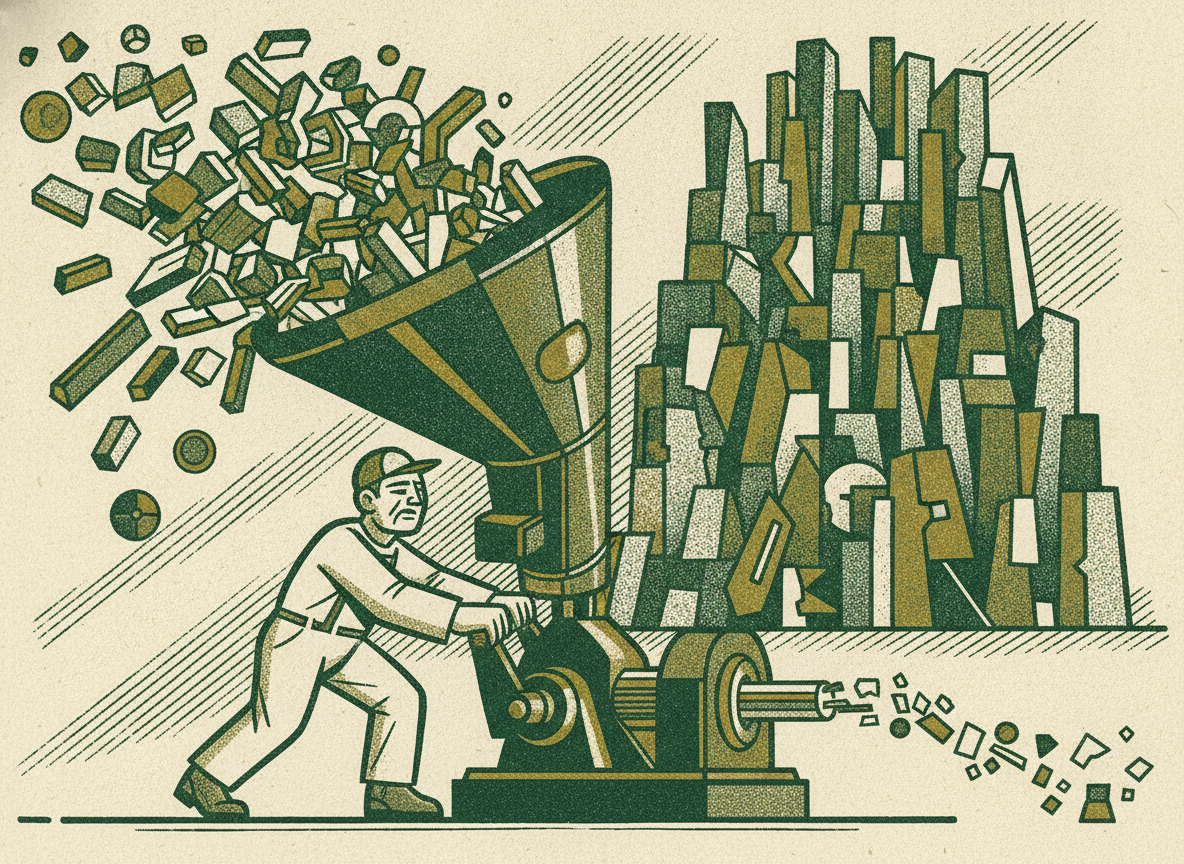
The single biggest limit on AI forecasting is data quality, because AI is only as good as the data it learns from, and bad data produces bad forecasts with total confidence. An AI model trained on inconsistent, incomplete, or incorrectly tagged financial data will confidently produce wrong forecasts, as Datarails warns. The model does not know its inputs are flawed; it processes them and outputs a precise-looking prediction that is built on a broken foundation.
This is the garbage-in, garbage-out problem in its most dangerous form, because AI's outputs look authoritative regardless of the input quality. A messy spreadsheet at least looks messy; an AI forecast built on that same messy data looks clean and confident, which makes its errors harder to catch. For a founder, this means AI forecasting cannot be a shortcut around the unglamorous work of clean data. The prerequisite for trustworthy AI forecasting is exactly the data discipline, accurate, consistent, well-organized financial data, that good Financial Modeling has always required. A company with messy books cannot fix its forecasting by adding AI; it will simply get wrong answers faster and with more apparent authority. Recognizing that data quality is the binding constraint, and that AI amplifies the quality of your data in both directions, is the most important thing to understand about its limits.

The Confident-But-Wrong Danger
The data quality problem points to a deeper and more subtle danger: AI forecasts are confident-but-wrong, which is more dangerous than forecasts that are obviously uncertain. As Datarails puts it, confident-but-wrong is more dangerous than obviously uncertain, because the confidence disarms the skepticism that would otherwise catch the error. A human forecaster hedges and signals uncertainty; an AI model produces a clean number that invites trust it may not deserve.
This is compounded by AI's struggle with insufficient historical data, which describes many growing companies. A small amount of historical data gives the model little to learn from, so companies without a long, rich history, exactly the early-stage and high-growth companies most tempted by AI's promise, will get less reliable results, even though the output looks just as confident. The combination is treacherous: a young company with limited data uses AI forecasting, receives a confident prediction, and trusts it more than it should because it looks authoritative. The defense is to treat AI forecasts as inputs to be validated, not answers to be accepted, and to maintain healthy skepticism precisely because the outputs look so assured. In Financial Modeling, the confidence of a number should never substitute for confidence in its basis, and AI makes that distinction harder to maintain, which is exactly why human judgment remains essential.
Where Human Judgment Still Wins
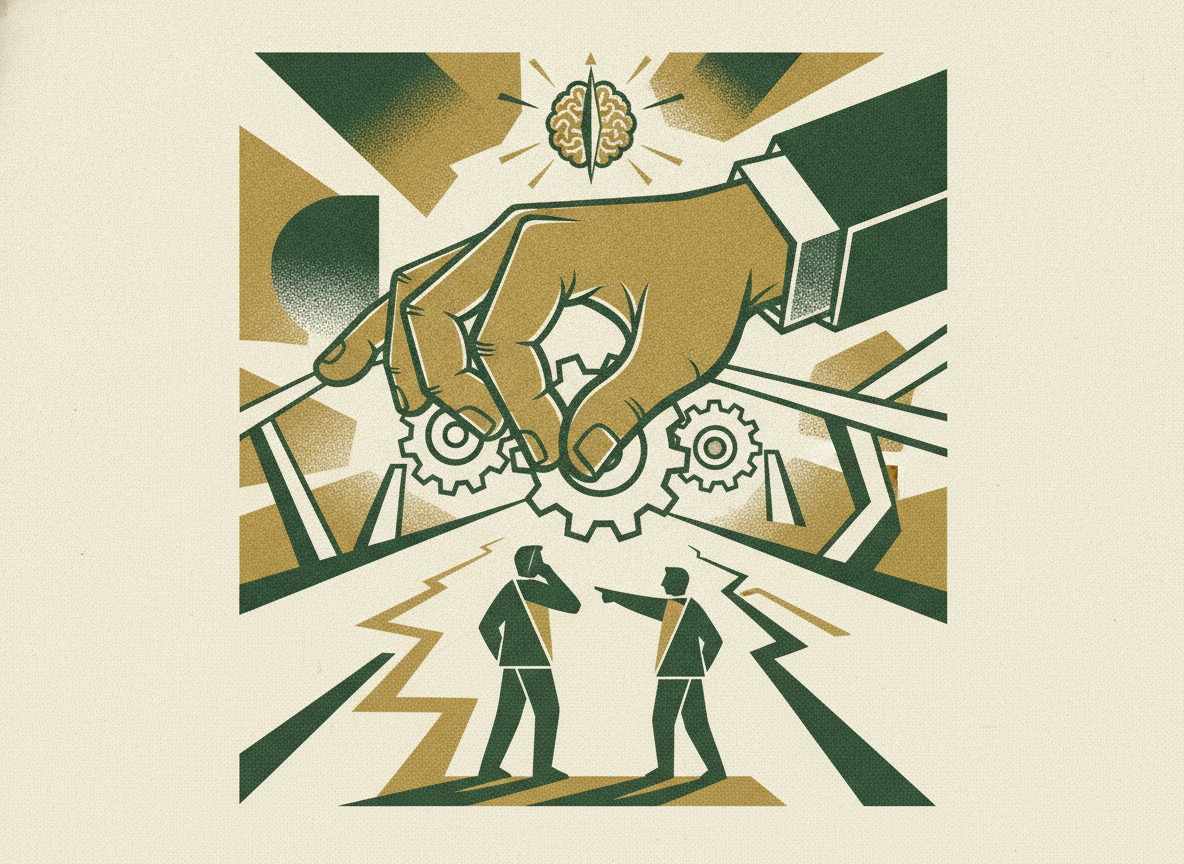
Despite AI's capabilities, human judgment remains essential to forecasting, and understanding where it wins is key to using AI well. AI is excellent at finding patterns in data, but it cannot supply the context, the business understanding, the awareness of what is changing that the data does not yet reflect, and the judgment about what a number means and what to do about it. As the field consistently concludes, human oversight remains essential for validation and contextual decision-making, even as AI improves the raw forecast.
The division of labor that works is AI for pattern-finding, humans for validation and context. AI can surface relationships and generate a forecast, but a human with knowledge of the business must validate whether the forecast makes sense, catch where it has been misled by bad data or thin history, and add the context AI cannot, a known upcoming change, a market shift the historical data does not capture, a one-time event distorting the pattern. The human also makes the actual decisions the forecast informs, which require judgment about risk and strategy that no model possesses. This is the same principle that governs AI across finance: it handles the data-heavy work while humans provide the judgment. For Financial Modeling, AI is a powerful new tool in the analyst's hands, not a replacement for the analyst, and the companies that benefit most are the ones that pair AI's pattern-finding with strong human validation rather than trusting the machine outright.
How to Adopt AI Forecasting Safely
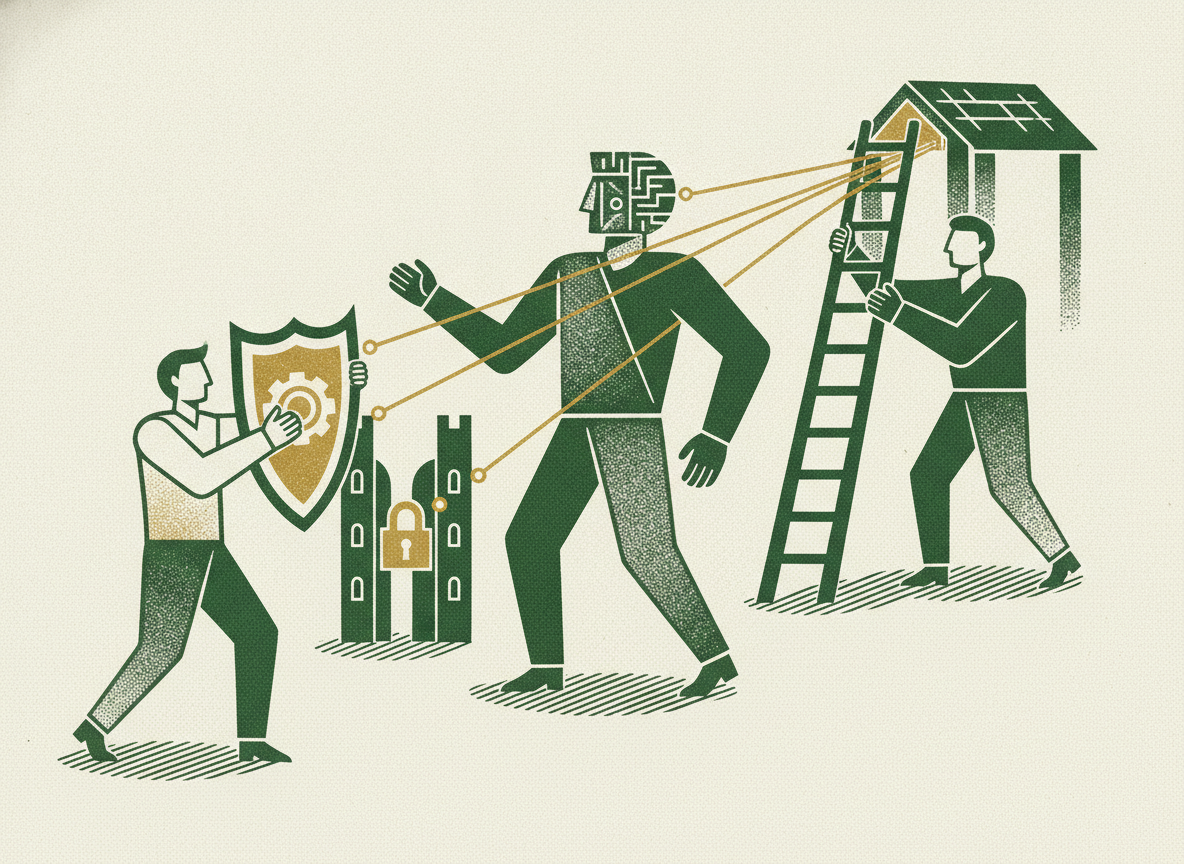
Given the promise and the limits, the right way to adopt AI forecasting is gradually and in parallel, building confidence before letting it drive decisions. The approach that high-performing teams use is to identify one use case where the data is already reliable, then run AI forecasting alongside the traditional model rather than replacing it, comparing the two and building stakeholder confidence in the AI output before it influences major decisions, as Infosys BPM describes. This parallel-running approach captures AI's benefits while containing its risks.
The logic is sound. By starting with a single use case where your data is clean, you give AI the conditions it needs to perform, rather than setting it up to fail on messy data. By running it in parallel with your existing model, you can see where the two agree and where they diverge, which builds a real understanding of where the AI is reliable and where it is not, before you depend on it. And by keeping human validation in the loop throughout, you catch the confident-but-wrong outputs before they cause harm. Over time, as confidence in the AI's reliability on a given use case grows, you can lean on it more and expand to additional use cases. This measured adoption, clean data first, parallel running, human validation, gradual expansion, is how a founder captures the genuine accuracy gains of AI forecasting without falling for the hype or being burned by a confident wrong number. It treats AI as what it is: a powerful enhancement to Financial Modeling that earns trust incrementally, not a magic replacement for judgment.
Frequently Asked Questions
Does AI Actually Improve Financial Forecasting?
Yes, measurably, when conditions are right. AI analyzes a broader range of variables, finds complex patterns traditional models miss, and learns continuously. The impact shows in the data: only 42 percent of organizations rate their forecasts as good, but among those using AI and machine learning, that rises to 65 percent. The improvement is real, though it depends heavily on data quality and proper use.
What Are the Limits of AI Forecasting?
The biggest is data quality: an AI model trained on inconsistent or incomplete data confidently produces wrong forecasts, and confident-but-wrong is more dangerous than obviously uncertain. AI also struggles with thin historical data, which affects many growing companies, and reaching its potential of sub-5 percent error requires time and expertise. The outputs look authoritative regardless of input quality, which makes errors harder to catch.
Can AI Replace Human Forecasters?
No. AI is excellent at finding patterns in data but cannot supply business context, awareness of changes the data does not yet reflect, or judgment about what a number means and what to do. Human oversight remains essential for validating forecasts, catching where AI has been misled, and making the decisions the forecast informs. The effective model is AI for pattern-finding, humans for validation and context.
How Should You Adopt AI Forecasting Safely?
Gradually and in parallel. Identify one use case where your data is already reliable, run AI forecasting alongside your traditional model rather than replacing it, and compare the two to build confidence before the AI influences major decisions. Keep human validation in the loop to catch confident-but-wrong outputs. As confidence in the AI's reliability grows, lean on it more and expand to additional use cases.
References
