
Your First Finance Automation: Three Workflows to Hand to AI in 2026
- The right first move with AI in finance is to automate the rote data work so your people are freed for the judgment work, the analysis and Financial Modeling that actually needs a human.
- Three workflows are the highest-return places to start: bank reconciliation, accounts payable and invoice processing, and reconciliation for reporting.
- The gains are real. Companies using AI in these areas report 80% faster bookkeeping and 90% less manual data entry.
- Automating reconciliation moves you toward a continuous close, where records match in real time instead of in a month-end scramble.
- Automate the plumbing, keep the judgment. AI should handle matching and entry; humans should own the decisions the numbers inform.
Founders hear AI in finance and imagine either a magic CFO in a box or a threat to their accountant. It is neither. The practical opportunity in 2026 is narrower and more valuable: hand the repetitive, high-volume data work to automation so your finance time goes to analysis and Financial Modeling instead of data entry. The trick is knowing what to automate first. Pick the wrong thing and you spend money for little gain; pick the right three workflows and you free up real capacity. Here is where to start.
Automate the Plumbing, Not the Judgment
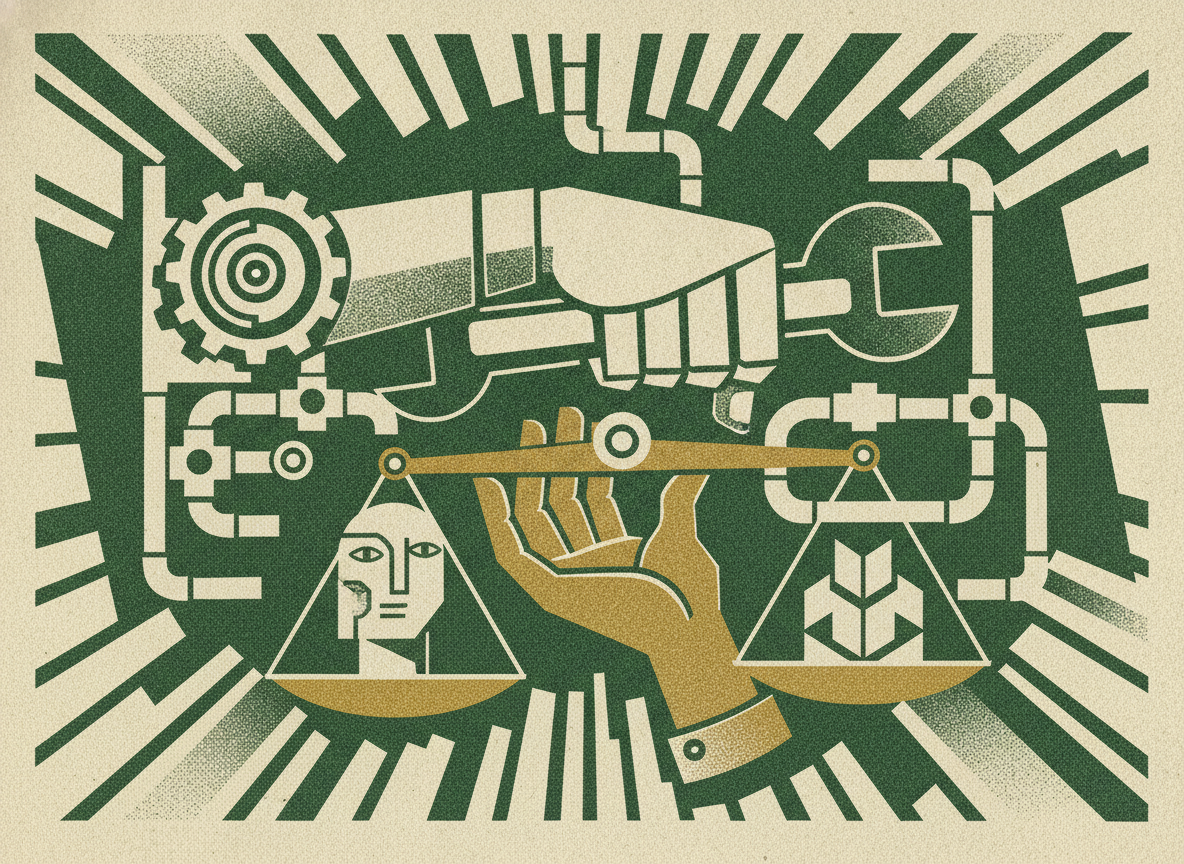
The guiding principle is simple: automate the plumbing, keep the judgment. Finance work splits into two kinds. There is the high-volume, low-judgment plumbing, categorizing transactions, matching invoices, reconciling accounts, and there is the judgment work, deciding what the numbers mean and what to do about them. AI is excellent at the first and poor at the second, so the first dollar of automation should go to the plumbing.
This framing keeps you out of two traps. The first is automating nothing, leaving skilled people stuck on data entry that a machine does faster and more accurately. The second is over-trusting AI with decisions, letting a tool make calls that require context and judgment it does not have. The right boundary puts AI on the repetitive data tasks and keeps humans on the analysis, the Financial Modeling, and the decisions. Get that boundary right and automation amplifies your finance function instead of either neglecting it or undermining it.
Workflow One: Bank Reconciliation
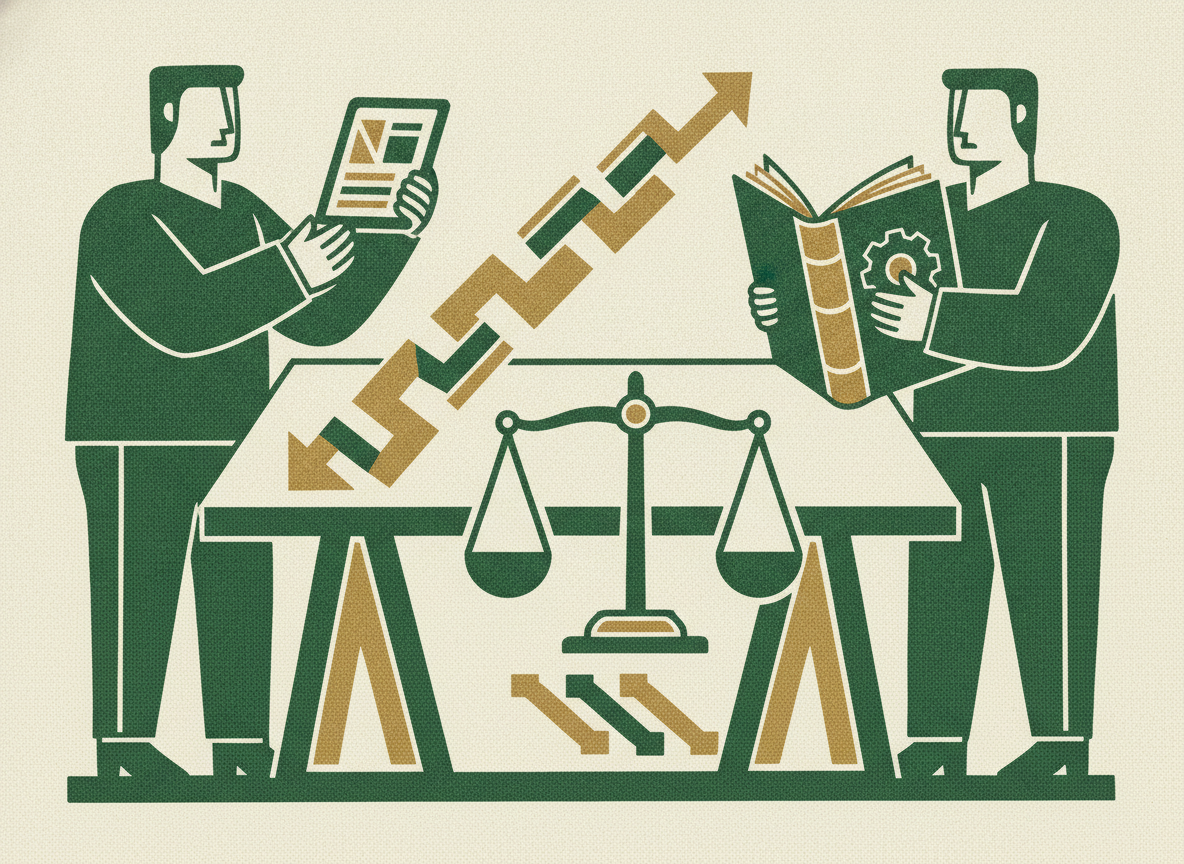
Bank reconciliation is the best place to start because it is high-volume, rule-based, and painful to do by hand. Matching every transaction in your bank feed against your books is exactly the repetitive pattern-matching AI does well, and modern accounting platforms now handle daily transaction categorization and reconciliation automatically, as DualEntry describes. What used to be a tedious end-of-month chore becomes a background process that runs continuously.
The payoff is both time and accuracy. Manual reconciliation is slow and error-prone, and errors here cascade into every downstream report. Automating it means transactions are matched as they occur rather than weeks later, so your books are closer to real-time and your numbers more trustworthy. For most founder-led companies this is the single highest-return automation, because reconciliation consumes a large share of bookkeeping hours and delivers little strategic value for the time spent. Handing it to software frees your most capable finance person for work that actually moves the business.
Workflow Two: Accounts Payable and Invoice Processing
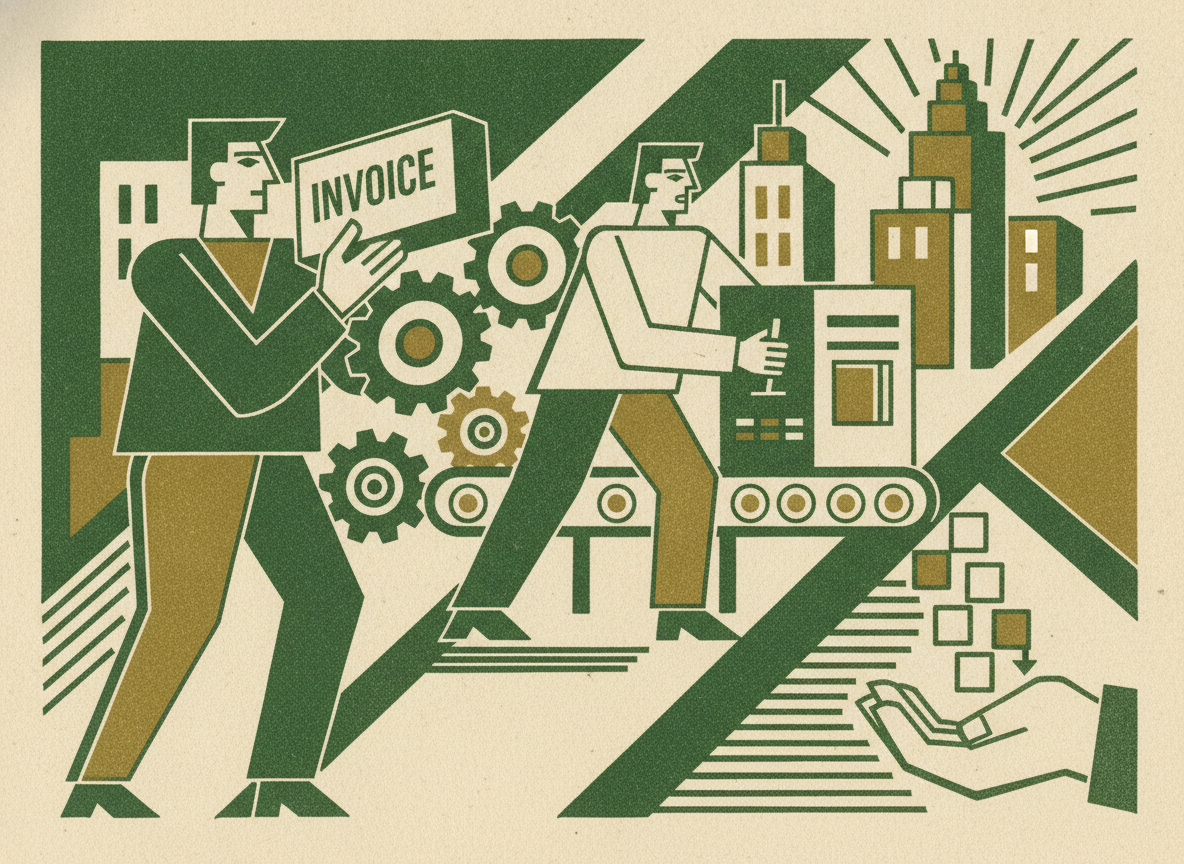
The second workflow to automate is accounts payable and invoice processing, where AI now does the tedious extraction and coding that used to eat hours. Machine learning models can read an invoice, extract line-item detail, predict the right general-ledger code, flag policy violations before submission, and match expenses to bookings automatically, per Navan. The manual work of typing invoice data and deciding where it posts largely disappears.
This matters because AP is both high-volume and a common source of errors and fraud. Automating the data capture reduces miskeyed amounts and wrong codes, while the policy-violation flagging catches problems before payment rather than after. The results companies report are striking: up to 90% less manual data entry, according to Technology.org. The human role shifts from entering and coding invoices to reviewing the exceptions the system flags, which is a far better use of a person's attention. As with reconciliation, the principle holds: the machine does the volume, the human handles the judgment calls.
Workflow Three: Reconciliation and Reporting for a Continuous Close
The third workflow is account reconciliation and reporting, which together unlock a faster, continuous close. AI-powered reconciliation matches transactions across systems, applies codes, detects anomalies, and prepares records for close, processing in real time rather than in month-end batches, as Technology.org explains. Instead of a frantic reconciliation sprint at month-end, the work happens continuously and the close becomes a short formality.
The strategic value is timeliness. When reconciliation and reporting run continuously, your actuals are current, which means every decision and every piece of Financial Modeling built on them is current too. Companies adopting these tools report up to 80% faster bookkeeping, which translates directly into a close measured in days rather than weeks. The anomaly detection is a bonus: AI flags the unusual transaction or the entry that does not fit the pattern, catching errors and potential fraud that a human scanning thousands of lines would miss. This is the workflow that turns automation from a cost saving into a genuine improvement in how fast and how confidently you can run the business.
What Humans Should Keep: Financial Modeling and Judgment
Once the plumbing is automated, the human role becomes more valuable, not less, and it centers on Financial Modeling and judgment. The work AI cannot do is the work that matters most: building the model that tests a hiring decision, interpreting why a variance happened, deciding whether to invest or hold, and translating the numbers into a story for the board. These require context, business understanding, and judgment that no current tool possesses.
This is why automation is a promotion for your finance function, not a replacement of it. Freed from data entry and reconciliation, your finance person, or your fractional CFO, spends their time on analysis, scenario planning, and the decisions that actually shape the company. The numbers arrive faster and cleaner from the automated plumbing, and the human turns those numbers into insight and action. The right 2026 finance stack is this pairing: AI handling the high-volume mechanics underneath, and human judgment doing the Financial Modeling and decision-making on top. Companies that get the division of labor right get the speed of automation and the wisdom of experience at the same time.
Frequently Asked Questions
What Should a Small Business Automate First in Finance?
Start with bank reconciliation, because it is high-volume, rule-based, and consumes a large share of bookkeeping time for little strategic value. From there, automate accounts payable and invoice processing, then account reconciliation and reporting. These three are the highest-return workflows because they are repetitive and data-heavy, exactly the pattern-matching work AI does well and humans find tedious and error-prone.
How Much Time Does Finance Automation Actually Save?
Companies using AI in these workflows report up to 80 percent faster bookkeeping and 90 percent less manual data entry. The savings come from replacing manual matching, coding, and entry with continuous automated processing. Beyond raw time, automating reconciliation moves you toward a continuous close, so records match in real time and your numbers are current rather than weeks behind.
Will AI Replace My Accountant or Finance Team?
No, it changes their job. AI handles the high-volume, low-judgment plumbing, reconciliation, data entry, invoice coding, while humans keep the judgment work: Financial Modeling, interpreting variances, and making decisions. Automation frees skilled finance people from tedious data tasks so they spend time on analysis that actually moves the business. The best setup pairs AI mechanics with human judgment, not one replacing the other.
What Finance Work Should Stay With Humans?
The judgment work: building and interpreting financial models, explaining why a variance occurred, deciding whether to invest or hold, and translating numbers into a narrative for the board. These require business context and judgment that AI does not have. Once the plumbing is automated, the human role becomes more strategic, focused on the analysis and decisions that the faster, cleaner numbers now make possible.
References
