

The First 90 Days of a Fractional CFO Engagement
- The first ninety days of a fractional CFO engagement decide whether you get a multi-year partner or an expensive consultant, and the data says this is the norm, not the exception: 45.6% of fractional CFO engagements run one to two years, according to NOW CFO. The opening quarter sets the tone for all of it.
- Week one is not about strategy decks. It is about earning the right to be believed on the numbers, which means reconciling cash, checking the close, and finding out how far reality sits from the reporting.
- The highest-return early move is rarely a grand plan. It is a handful of quick wins in cash and reporting, the kind that show up within 30 to 60 days and buy the credibility to make the harder changes later.
- Beware the generic ninety-day playbook. The best engagements spend the first weeks listening and mapping the real constraints before pushing big changes, because a template forced onto a business you do not yet understand tends to break.
- In the Greenwood Engagement Model, the first quarter is deliberately sequenced: establish trust, run the diagnostic, bank the quick wins, install the operating cadence, then judge progress against outcomes you agreed to in writing on day one.
Executive financial leadership is easy to buy and hard to install. You can sign a fractional CFO on a Monday and have very little to show for it by the end of the month if the first ninety days are run on vibes instead of a plan. I have started enough of these engagements to know that the opening quarter is where the whole relationship is won or lost, and that most of the value comes from a sequence that looks unglamorous from the outside. So let me walk through what actually happens, week by week and phase by phase, when a fractional CFO joins a company past 5M in revenue, and how a CEO should judge whether it is working.

Week One: Where Executive Financial Leadership Starts
The first week is about one thing: establishing that the numbers can be trusted. Before I recommend a single strategic move, I need to know whether the reports in front of me describe the business as it actually is. So week one is spent reconciling cash to the bank, walking the last month-end close, pulling the aging on receivables and payables, and quietly checking whether the general ledger ties to the subledgers. It is diligence, not strategy, and it is the foundation everything else stands on.
This is also where a CEO learns the difference between a fractional CFO and a vendor. The demand for this kind of executive financial leadership has roughly doubled: fractional CFO engagements rose 103% year over year, per Accounting Brains, and a lot of that new demand is companies that hired for strategy and discovered the books were not ready to support it. The first week almost always surfaces a few surprises, a suspense account nobody owns, a revenue figure that is really a billing figure, and naming them early is how you build the trust the rest of the engagement runs on.
The Diagnostic Phase: Reading The Business
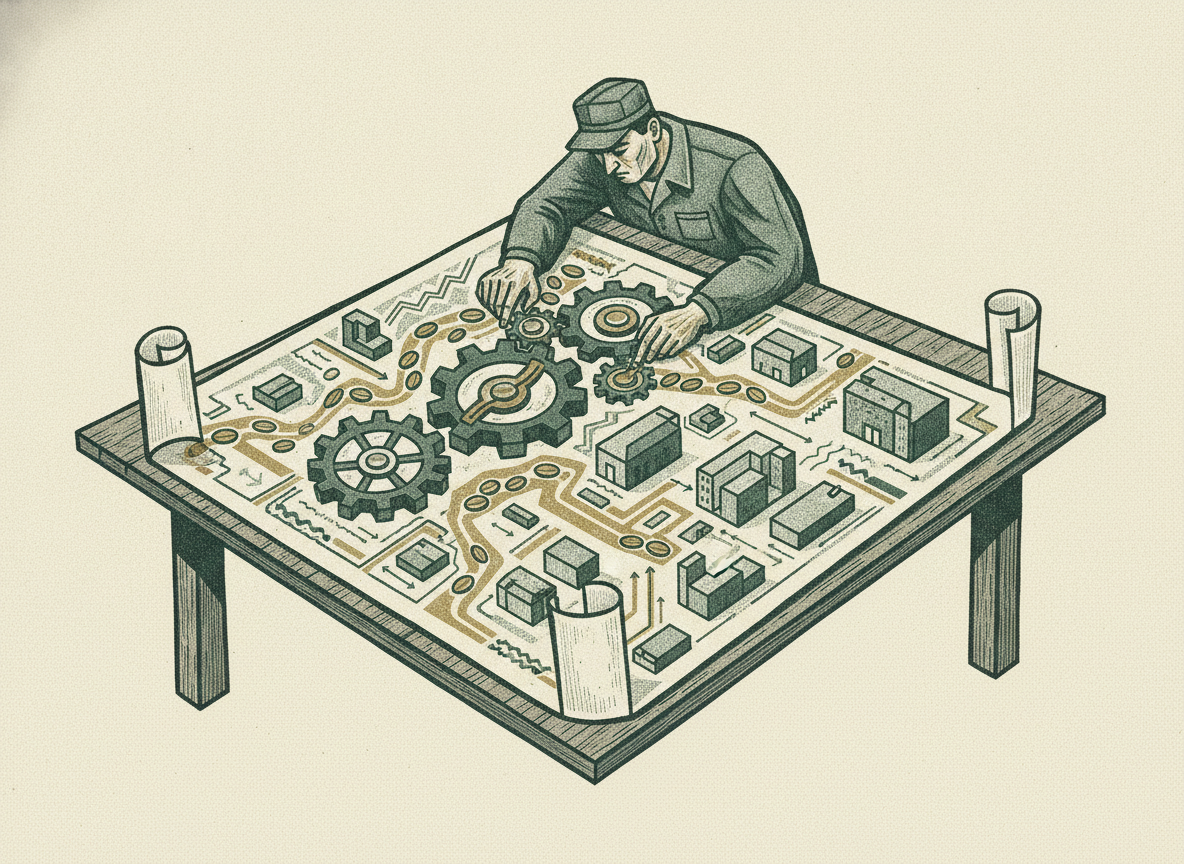
With the numbers stabilized, weeks two through four are the diagnostic. This is where I map how the business actually makes and spends money, as opposed to how the budget says it does. I read the last twelve months of results for the story underneath them, model the cash conversion cycle, and pressure-test the unit economics to see which parts of the business fund the others. The goal is not a report. It is a short, honest list of the two or three things that most constrain the company right now.
The temptation, for both sides, is to skip this and jump to a plan. That is the mistake. The Controllers Council makes the point plainly in its analysis of the model: the best results come when the first month is spent listening and mapping the real constraints before pushing big changes, rather than forcing a generic ninety-day playbook onto a business the CFO does not yet understand. A diagnosis done well is what makes every later recommendation land, because it is grounded in your business instead of a template. It also tells me whether the near-term work is a cash conversion cycle problem, a reporting problem, or a margin problem, which are three very different first quarters.

Early Wins Worth Chasing
By the end of the first month, the diagnostic should have surfaced a few quick wins, and chasing them is the right use of the second month. Quick wins are not busywork. They are the proof that the engagement is working, and they buy the political capital to make the harder structural changes later. The pattern is consistent across engagements: 85% of fractional CFO clients report improved cash-flow management, with an average 20% reduction in days sales outstanding, according to ZipDo, and most of that starts with early, unglamorous fixes.
The best early wins live in cash and reporting because that is where the leverage is and the resistance is low. Tightening collections on the oldest receivables, killing a few recurring costs that no longer earn their place, and rebuilding the monthly reporting pack so the CEO can actually read it are all achievable inside 60 days. A clean, trustworthy Monday KPI dashboard the founder checks every week is often worth more in the first quarter than a sophisticated three-year model nobody opens. Chase the wins that compound trust, and save the ambitious restructuring for after you have earned it.

Setting The Operating Cadence
A fractional CFO who only produces insight on request is a vendor. One who installs a rhythm is an executive. So the third month is about cadence: the recurring meetings, reports, and decision points that keep finance driving the business instead of narrating it after the fact. This is the shift from reactive to operating, and it is where a part-time executive becomes a force multiplier rather than a bolt-on advisor. The evidence backs the sequencing here, since companies that integrate a fractional CFO into executive meetings, board prep, and weekly operating rhythms in the first ninety days report far stronger decision-making than those who treat the role as advisory only.
Concretely, the operating cadence means a monthly close that lands in five business days, a monthly reporting pack with variance analysis the leadership team reviews together, a rolling forecast that gets refreshed rather than filed, and a standing finance slot in the executive meeting. Building this cadence is the quiet core of the Greenwood Engagement Model: my team installs the calendar, the reports, and the owners so the rhythm survives whether or not I am in the room that week. Cadence is what turns a good first quarter into a durable finance function.

How To Judge The First Quarter
The CEO's job is to judge the first ninety days against outcomes, not activity, which means the outcomes have to be written down on day one. Before the engagement starts, agree on two or three concrete deliverables for the quarter: a board-ready reporting pack, a bank-ready forecast, a monthly close under a set number of days, or a specific improvement in cash. Then review progress against them in a short weekly or bi-weekly check-in. Hours purchased is the wrong metric. Whether those outcomes exist by day ninety is the right one.
If the quarter went well, you should feel the difference in how decisions get made. The numbers arrive on time and you believe them, the reporting pack answers questions instead of raising them, and cash has become something you manage rather than something that surprises you. You should also have clarity on the finance team you actually need next, whether that is a controller, a first analyst, or something else, which is exactly the question I help founders work through when we talk about the first finance hires after an outsourced CFO. A first quarter of executive financial leadership done right does not just fix this month. It tells you what the next year of building looks like.

Frequently Asked Questions
What Does A Fractional CFO Do In The First 90 Days?
In the first ninety days a fractional CFO stabilizes and verifies the numbers, runs a diagnostic of how the business makes and spends money, banks a few quick wins in cash and reporting, and installs an operating cadence of close, reporting, and forecasting. For a company past 5M in revenue, the quarter should also produce a board-ready reporting pack and clarity on the next finance hire.
How Do I Onboard A Fractional CFO?
Treat them like a real executive, not a vendor. Give them access to leadership meetings, key systems, and recent board materials in the first week, assign an internal counterpart as their day-to-day partner, and put the ninety-day outcomes in writing so progress is reviewable. Then hold a short recurring check-in to keep the work aligned with your priorities.
When Will I See Results From A Fractional CFO?
Most companies see quick wins within 30 to 60 days, usually in the form of cleaner reporting, tighter spend controls, and better cash visibility. The larger structural gains, such as sustained profitability improvement and a lower days-sales-outstanding, tend to compound over 6 to 12 months as the new discipline holds.
Is A Fractional CFO Worth It For A Company Past 5M In Revenue?
For most companies in this range it is, because you get executive financial leadership at a fraction of the cost of a full-time hire. The core market for fractional CFOs is precisely mid-market firms between 5M and 50M in revenue, and the return usually shows up first in cash and decision quality rather than in a lower finance headcount.
References
- NOW CFO, Popularity of Fractional CFO Services
- Accounting Brains, Fractional CFO Demand Surged 103%
- ZipDo, Fractional CFO Industry Statistics 2026
- Eagle Rock CFO, Fractional CFO Industry Report 2026
- Controllers Council, The Rise of the Fractional CFO
