
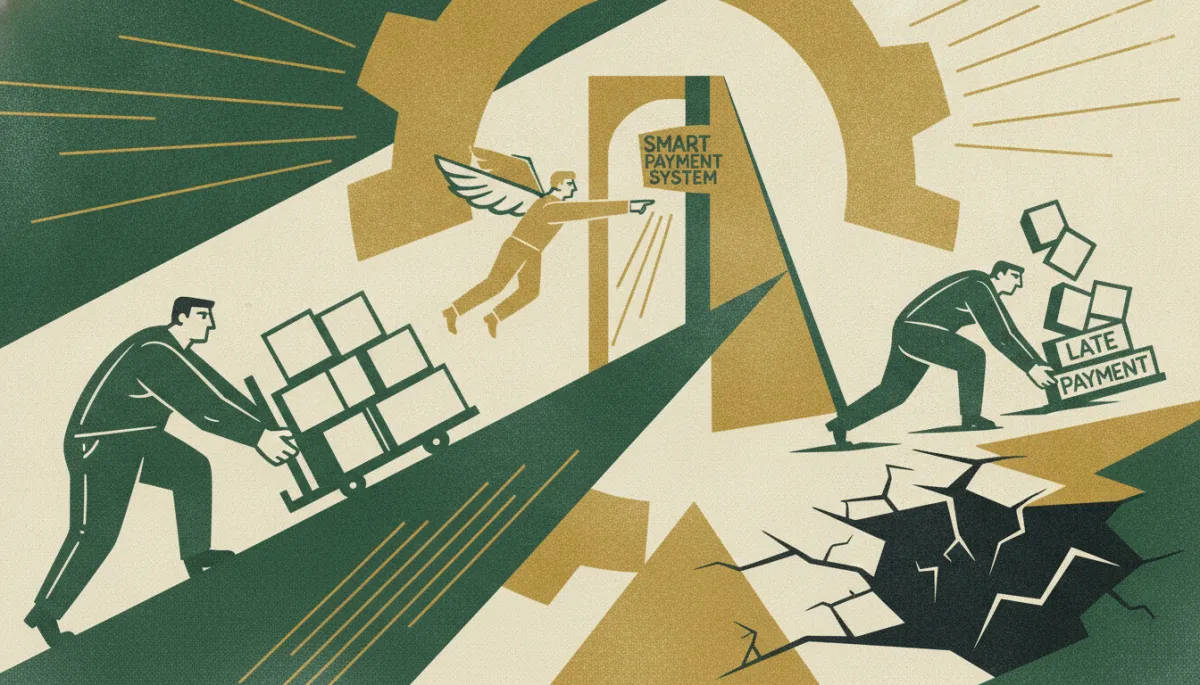
Accounts Payable Strategy: Paying Smart, Not Just Late
- Accounts payable is a Cash Flow Management lever, not just a pile of bills to clear. How and when you pay determines how long cash stays in your business.
- The goal is to pay smart, not late: holding cash as long as your terms allow, without incurring late penalties or damaging supplier relationships.
- A useful target is to keep your days payable outstanding (DPO) higher than your days sales outstanding (DSO), so cash comes in faster than it goes out.
- Time payments deliberately, scheduling them around due dates, supplier terms, and your projected cash inflows, rather than paying everything immediately or late.
- Capture early-payment discounts only when the math beats your other uses of cash, and use supplier terms as a source of short-term working capital.
Founders obsess over collecting faster but rarely think strategically about paying. That is a missed opportunity, because accounts payable is the other half of the cash-timing equation, and managing it well keeps cash in your business longer without costing you anything. The key distinction is between paying smart and paying late: smart payment uses the full terms your suppliers grant and captures discounts when they make sense, while paying late incurs penalties and damages relationships. Treating payables as a deliberate Cash Flow Management lever, rather than a chore to be done as bills arrive, is a quiet source of working capital most companies overlook. Here is how to do it.
Payables Are a Cash Flow Lever, Not Just a Bill Pile
The mental shift that unlocks better payables management is to see accounts payable as a lever on your cash position rather than a stack of obligations to clear as fast as possible. Every day you hold cash before paying a supplier, within the terms they have granted, is a day that cash is available to your business, effectively a free, short-term loan from your supplier. As Acobloom emphasizes, strategic accounts payable management directly affects cash flow by controlling exactly when cash leaves the business.
This reframes a routine back-office function as a real Cash Flow Management tool. The common founder instinct is either to pay every invoice immediately, which drains cash unnecessarily, or to let payables pile up and pay late, which incurs penalties and harms relationships. Neither is strategic. The strategic approach uses payables deliberately: holding cash as long as the terms allow, timing payments to your cash cycle, and treating the supplier credit embedded in your payment terms as a source of short-term working capital. A company that pays smart keeps meaningfully more cash on hand at any given time than one that pays everything immediately, with no cost and no harm to suppliers. Recognizing that payables are a lever to manage, not just bills to pay, is the foundation of using them to strengthen your cash position.
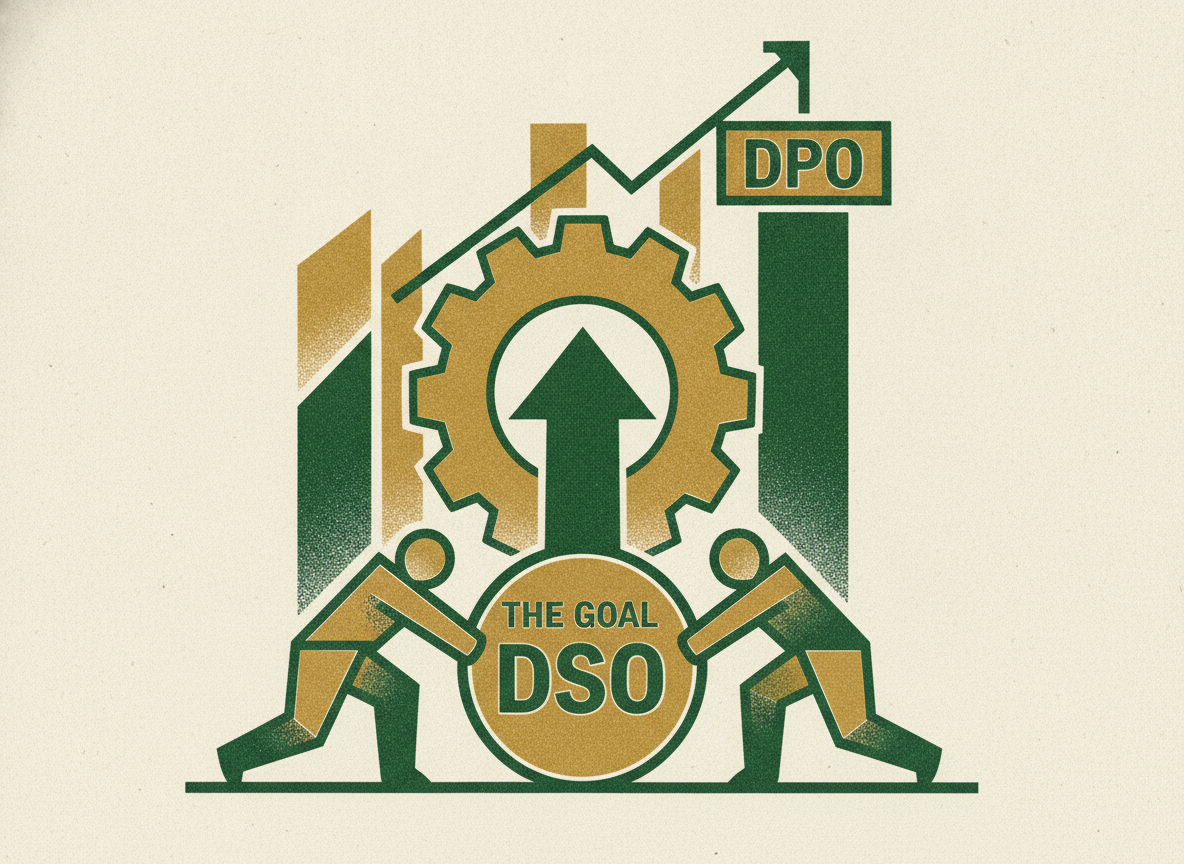
The Goal: DPO Higher Than DSO
A simple, powerful way to frame payables strategy is the relationship between two metrics: days payable outstanding and days sales outstanding. Days payable outstanding (DPO) measures how long, on average, you take to pay your suppliers, while days sales outstanding (DSO) measures how long your customers take to pay you. The ideal, as Outbooks notes, is for your DPO to be higher than your DSO, meaning your business brings in cash faster than it pays it out.
This relationship captures the essence of cash-cycle management in one comparison. If you collect from customers in 30 days (DSO of 30) but pay suppliers in 45 days (DPO of 45), you have a favorable cash gap: the money comes in before it goes out, so the operating cycle funds itself. If the reverse is true, you pay suppliers before customers pay you, which forces you to finance the gap from your own cash. By managing payables to extend DPO appropriately, through full use of terms and where possible negotiated longer terms, while also tightening collections to reduce DSO, you shape this relationship in your favor. The goal of DPO exceeding DSO is a clear, measurable target for Cash Flow Management, and accounts payable strategy is the lever for the DPO side of it. Watching these two metrics together tells you whether your cash cycle is working for you or against you.
Timing Payments Strategically
The practical core of payables strategy is timing payments deliberately rather than paying invoices whenever they happen to land on someone's desk. The disciplined approach schedules each payment around its due date, the supplier's terms, and your projected cash inflows, so that cash leaves the business at the optimal moment, as Corpay describes. The default should be to pay on the due date, not before, capturing the full benefit of the terms you were granted, and to align larger payments with periods when your cash inflows are strongest.
This timing discipline does two things. It maximizes the cash you hold by using the full payment window on every invoice rather than paying early out of habit, and it smooths your cash flow by aligning outflows with inflows, so you are not paying a large bill the day before a major receivable arrives. Payment scheduling tools, including AP automation, make this systematic by tracking due dates and your cash position and scheduling payments to optimize working capital while avoiding late penalties. The point is not to pay as late as possible, which risks penalties and supplier ill will, but to pay as late as the terms allow without crossing into lateness, and to time the payments around your cash cycle. This deliberate timing, paying on the due date and aligning outflows with inflows, is the everyday practice of smart payables management and a direct Cash Flow Management win that requires only discipline, not money.
The Early-Payment Discount Math
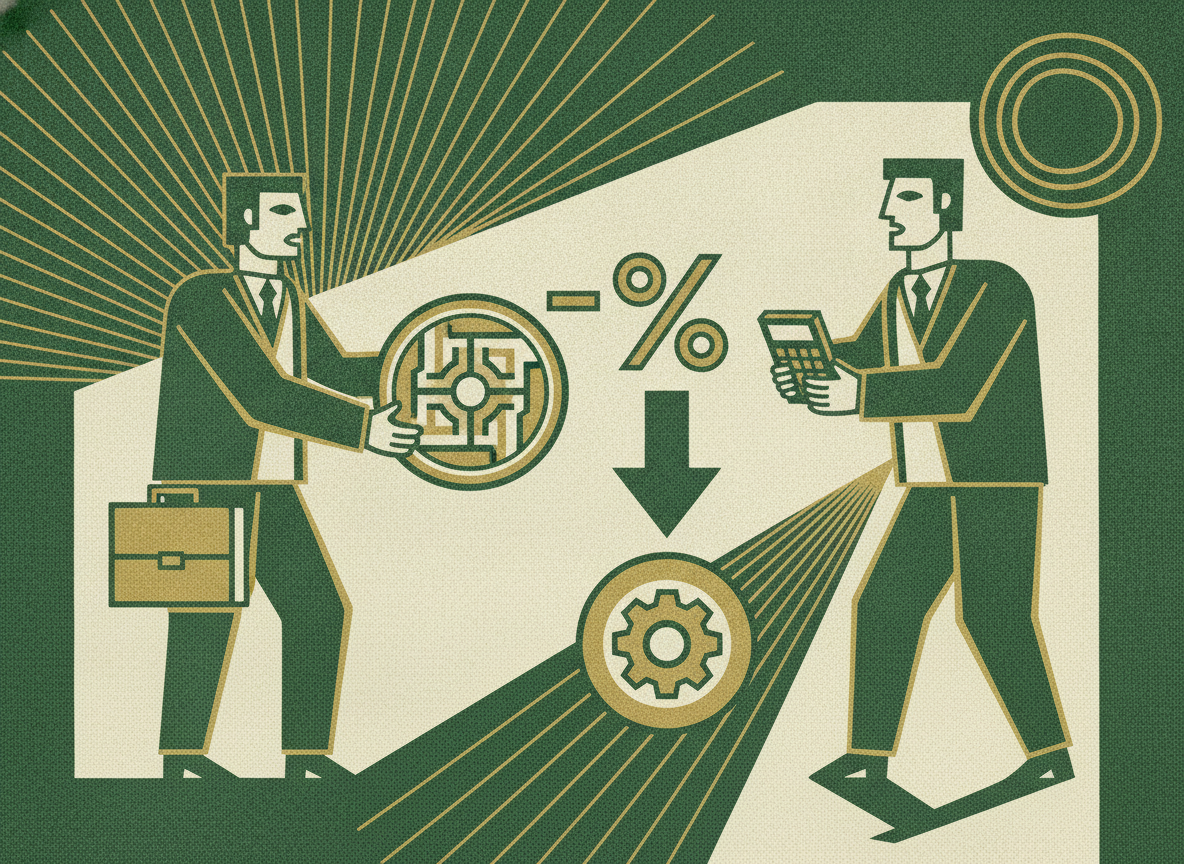
One situation justifies paying early rather than on the due date: when a supplier offers an early-payment discount that beats the value of holding the cash. Many suppliers offer a discount, commonly something like 2% off for paying within 10 days instead of 30, to incentivize early payment, and capturing these discounts can turn accounts payable into a source of value rather than just a cost, as Corpay notes. But the decision should be made on the math, not reflexively.
The discipline is to evaluate each discount against your alternative use of the cash. An early-payment discount has an implied annualized return, paying 20 days early to save 2% is a very high effective return, often far above what the cash would earn elsewhere or what it costs you to borrow, which makes capturing it clearly worthwhile if you have the cash. But if you are cash-constrained and would have to forgo a more valuable use of the money, or borrow at a high rate, to take the discount, it may not make sense. The strategic approach, supported by modern AP systems that calculate this automatically, is to capture early-payment discounts when the implied return exceeds your cost of capital or your next-best use of the cash, and to pass on them when it does not. This turns the discount decision into a deliberate Cash Flow Management calculation rather than an automatic choice, capturing the discounts that add real value while preserving cash when holding it is worth more. Done well, this is where payables can shift from a cost center to a modest profit center.
Negotiating Better Terms Without Damaging Relationships
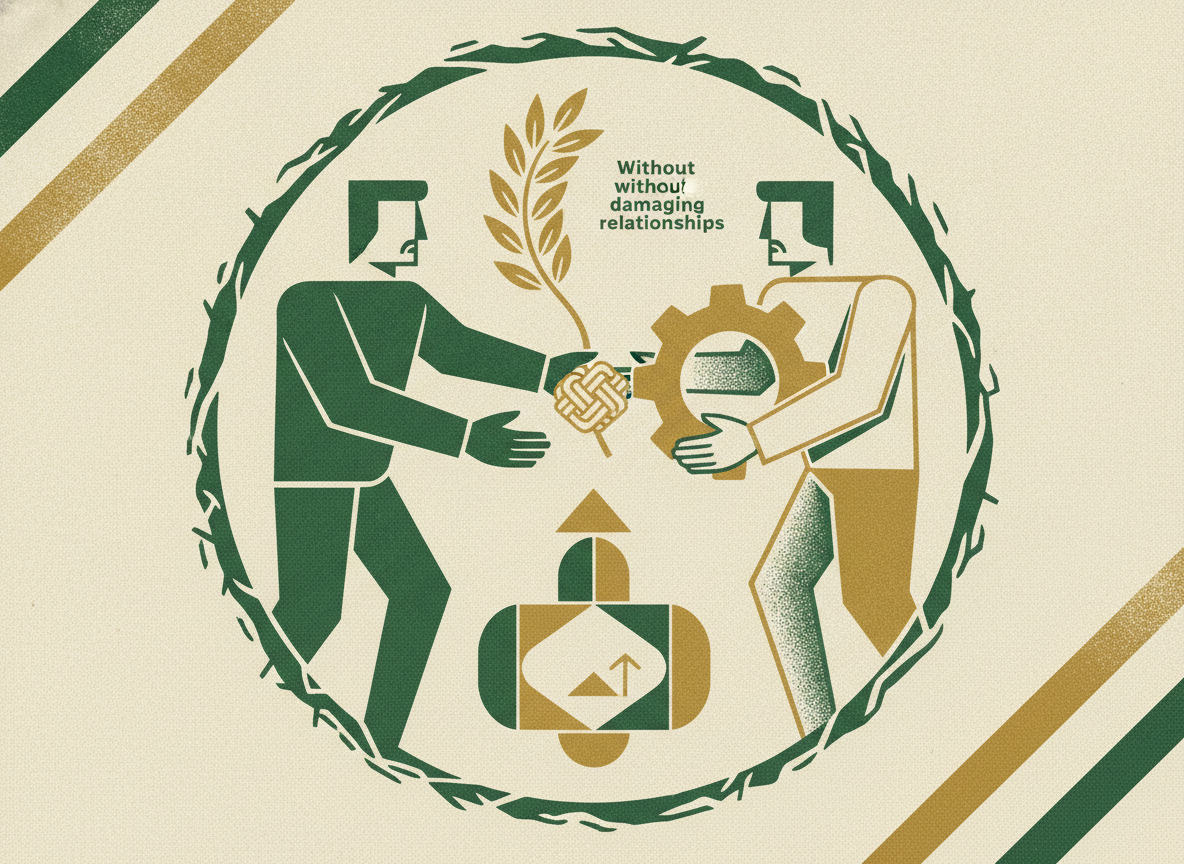
The most durable improvement to payables is negotiating better terms upfront, because longer payment terms extend your DPO permanently and improve your cash position on every future invoice. Negotiating Net 45 or Net 60 instead of Net 30 lets you hold cash for an additional 15 days or more on everything you buy from that supplier, as Acobloom points out, which is a structural improvement rather than a one-time gain. Many suppliers will grant longer terms to a reliable customer, especially one with volume or a strong relationship, simply because they are not asked.
The critical caveat is to do this without damaging the supplier relationship, which is itself valuable and, in a constrained supply environment, sometimes essential. The right approach is to negotiate terms openly and as a mutual arrangement, rather than simply paying late, which is the lazy and relationship-damaging alternative. A supplier who agrees to Net 60 is fine being paid in 60 days; a supplier on Net 30 who is paid in 60 without agreement feels mistreated and may tighten terms or deprioritize you. The distinction between negotiated longer terms and unilateral late payment is the line between smart and merely late, and it matters greatly for the relationship. Approached as an open negotiation that respects the supplier, extending terms is a legitimate and powerful Cash Flow Management move that improves your cash position permanently. The companies that manage payables best treat their suppliers as partners, securing favorable terms through relationship and negotiation, and then honoring those terms reliably, which keeps the cash benefit flowing without the cost of damaged relationships.
Frequently Asked Questions
Why Is Accounts Payable a Cash Flow Lever?
Because how and when you pay determines how long cash stays in your business. Every day you hold cash before paying a supplier, within the terms granted, is a day that cash is available to you, effectively a free short-term loan from the supplier. Managing payables deliberately, rather than paying everything immediately or letting bills pile up and paying late, keeps meaningfully more cash on hand at no cost and without harming suppliers.
What Is the Ideal Relationship Between DPO and DSO?
Days payable outstanding (how long you take to pay suppliers) should ideally be higher than days sales outstanding (how long customers take to pay you), so cash comes in faster than it goes out. If you collect in 30 days but pay in 45, the operating cycle funds itself; if the reverse, you finance the gap from your own cash. Managing payables to extend DPO while tightening collections shapes this in your favor.
How Should You Time Supplier Payments?
Deliberately, scheduling each payment around its due date, the supplier's terms, and your projected cash inflows. The default should be to pay on the due date, not early, to capture the full benefit of the terms, and to align larger payments with strong cash-inflow periods. The goal is not to pay as late as possible, which risks penalties, but as late as the terms allow without crossing into lateness.
When Should You Take an Early-Payment Discount?
When the discount's implied return beats your alternative use of the cash. A discount like 2 percent for paying 20 days early carries a very high annualized return, often well above what the cash earns elsewhere or costs to borrow, making it worthwhile if you have the cash. But if you are cash-constrained and would forgo a more valuable use or borrow expensively to take it, passing may be wiser. Evaluate each discount on the math.
References
