
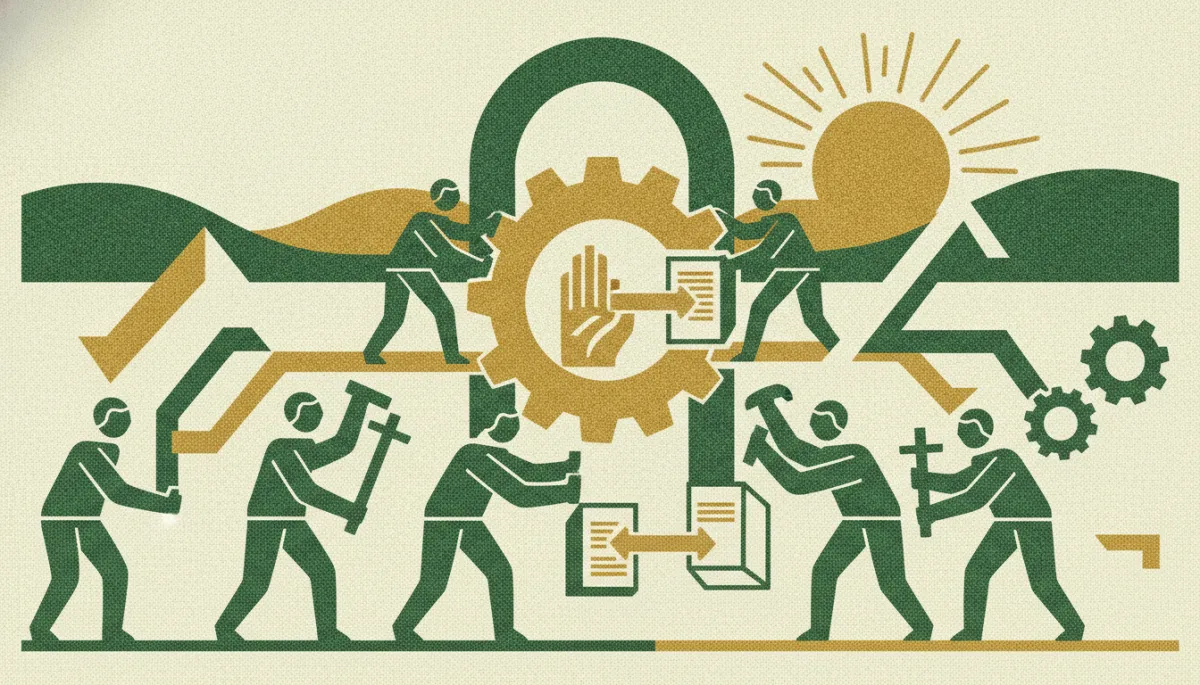
Building Financial Accountability Without Bureaucracy
- Founders often assume financial accountability requires more process and oversight, but real Executive Financial Leadership achieves it through ownership, not bureaucracy.
- The solution to weak financial discipline is rarely more top-down control; it is instilling a culture where each department owns its numbers.
- Budgets drive behavior only when the people responsible can see them and own them; otherwise they become shelfware that nobody consults.
- A lean finance mindset, removing redundant, manual, low-value process, keeps accountability from curdling into administrative drag.
- Shared accountability, built on mutual commitment rather than enforcement, produces both financial discipline and operational efficiency without the process tax.
There is a persistent myth in growing companies that the way to get financial discipline is to add controls, approvals, reports, and oversight, until the finance function becomes a checkpoint everyone resents and routes around. The truth is the opposite: heavy bureaucracy often produces less accountability, not more, because it shifts ownership from the people doing the work to a process they try to evade. The art of Executive Financial Leadership is building genuine accountability that makes people own their numbers, without burying the company in the process that strangles speed. Here is how to do it.
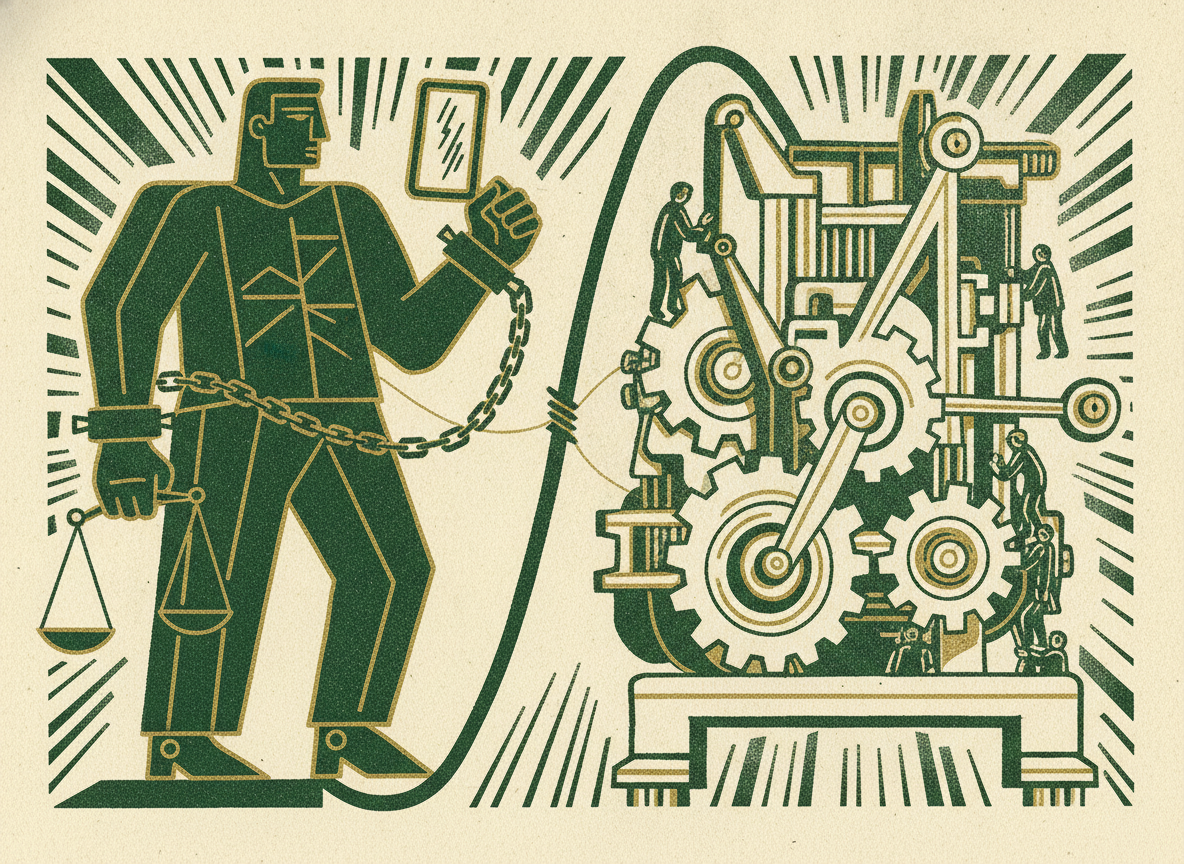
The False Choice Between Accountability and Bureaucracy
Founders often frame accountability and bureaucracy as a package deal: to get financial discipline, you must add process, and process means bureaucracy. This is a false choice, and believing it leads to either weak accountability, because the founder resists adding the bureaucracy, or a stifling process burden, because they over-correct. The two are not the same thing, and the best finance leaders achieve high accountability with minimal bureaucracy.
The key insight, as Preferred CFO puts it, is that when financial discipline breaks down, the solution is not more oversight from the top; it is instilling a culture of ownership within each department. Bureaucracy is top-down control, more approvals, more reports, more checkpoints, while accountability is bottom-up ownership, each person responsible for and invested in their own numbers. These produce very different results: bureaucracy creates the appearance of control while breeding evasion, whereas ownership creates genuine discipline because people manage what they own. Recognizing that accountability comes from ownership, not oversight, dissolves the false choice. Good Executive Financial Leadership builds the first without resorting to the second, which is how you get discipline and speed at the same time.

Ownership Beats Oversight
The core mechanism for accountability without bureaucracy is ownership: giving each department head genuine responsibility for their budget and their numbers, rather than centralizing financial control. When a manager owns their budget, they pay attention to it, question their own spending, and flag variances themselves, because it is their responsibility and their performance. This is fundamentally more effective than a finance team policing spending from outside, because the person closest to the decisions is the one accountable for them.
Oversight, by contrast, scales badly and breeds the wrong behavior. A central finance function trying to control every department's spending becomes a bottleneck and an adversary, and people learn to work around it rather than with it. Ownership scales naturally, because each owner manages their own area, and it aligns incentives, since the person spending the money is the one answerable for the results. As CFO.com describes, driving accountability is about distributing ownership, not concentrating control. The Executive Financial Leadership move is to push financial responsibility out to the people who actually make the spending decisions, giving them ownership of their budgets and the information to manage them, rather than trying to hold all the accountability centrally. Ownership beats oversight because it puts accountability where the decisions are made.
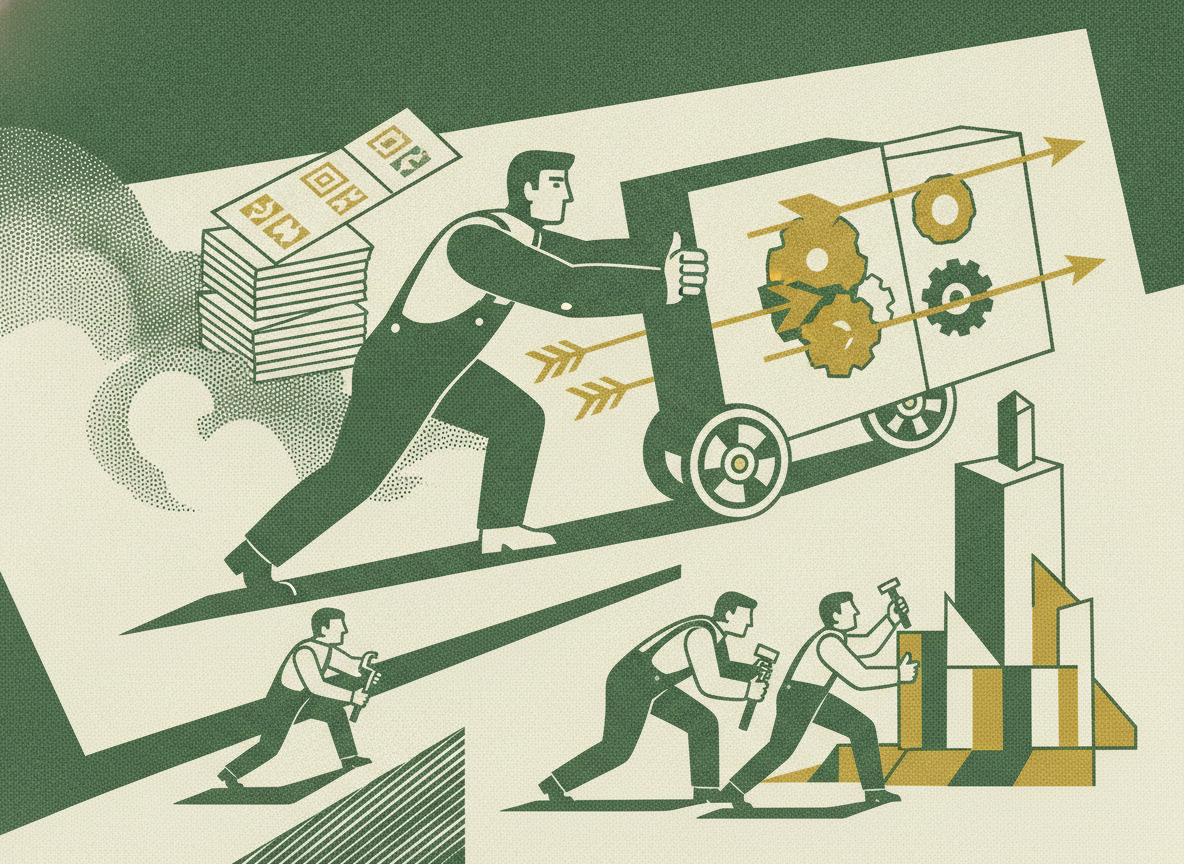
Making Budgets Drive Behavior, Not Gather Dust
Ownership only works if the budget is something people can actually see and use, which is where many companies fail. A budget that lives in a finance spreadsheet nobody else can access becomes shelfware, a document set once and never consulted, while the spending it was meant to govern happens without reference to it. As Onetribe Advisory notes, budget accessibility constrains ownership, and with 70 to 75% of mid-market companies relying primarily on Excel, the budget is often locked away from the very people who should own it.
For a budget to drive behavior, the owners must be able to see their numbers in real time and understand where they stand against plan. This means making budget-versus-actual visible to each department head on a regular cadence, so they can manage their spending as they go rather than discovering at quarter-end that they overspent. The review cadence matters too: a regular, lightweight check-in where each owner reviews their numbers keeps the budget alive and accountability active, without becoming a heavy bureaucratic ritual. The goal is a budget that functions as a live management tool for the people who own it, not a static document filed by finance. Designing this accessibility and cadence, so budgets drive behavior rather than gather dust, is a practical and high-leverage piece of Executive Financial Leadership, and it is what makes distributed ownership actually function.
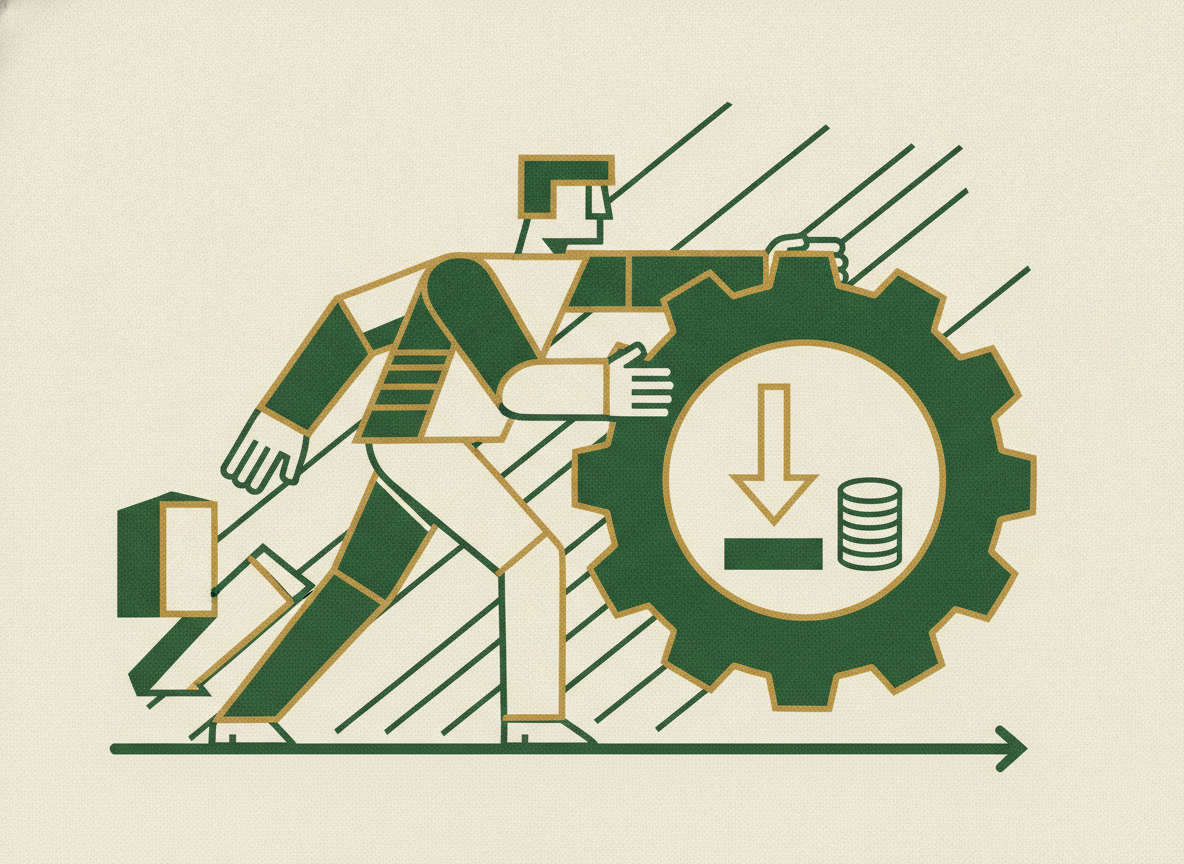
The Lean Finance Mindset
Keeping accountability from sliding into bureaucracy requires a lean mindset applied to the finance function itself, continuously removing process that does not add value. Lean finance means stripping out the manual, redundant, and error-prone steps so that every activity in the finance process actually contributes, as Black Enterprise describes. It is not a one-time cost-cutting exercise but an ongoing discipline of simplifying and improving how financial work gets done.
This mindset is the antidote to bureaucratic creep, which happens gradually as well-meaning controls and reports accumulate until the process is heavier than the value it provides. A lean approach constantly asks whether each financial process, each approval, each report, each step, actually adds value or just adds friction, and removes the ones that do not. The benefit is concrete: when finance processes run lean, the company gains real-time visibility and faster decisions, because accurate data flows without being trapped in unnecessary process. For Executive Financial Leadership, the lean mindset is what allows accountability to coexist with speed, by ensuring that the structure supporting accountability stays as light as possible. Every process you add should earn its place by adding more value than friction, and the lean discipline is the regular practice of checking that it still does, and removing it when it does not.
Shared Accountability Without the Process Tax
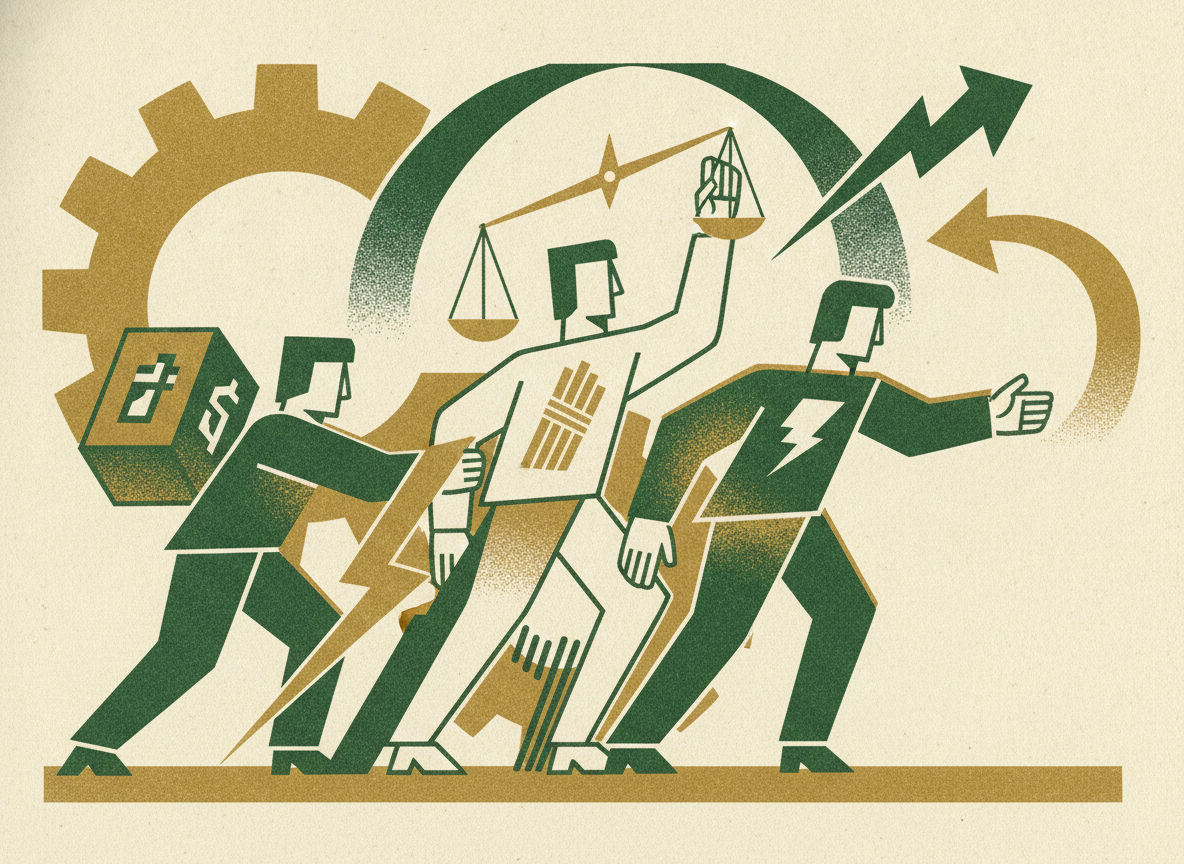
The highest form of financial accountability is shared and cultural rather than enforced, and it is what lets a company have discipline without a process tax. Shared accountability flourishes when people commit to each other to strive for mutual success, creating working habits where collaboration is honest, failure is safe, and success is celebrated, as the field describes. This is accountability built on relationship and mutual commitment, not on control, and it produces both financial prudence and operational efficiency without the overhead of policing.
Building this is the subtlest and most valuable work of Executive Financial Leadership, because it cannot be installed through process; it has to be cultivated through how the company operates. It means finance partnering with departments rather than auditing them, framing accountability as shared ownership of the company's success rather than as scrutiny imposed from above, and creating an environment where people surface problems early because it is safe to do so. When accountability is cultural, the heavy machinery of bureaucratic control becomes unnecessary, because people manage their numbers well out of shared commitment rather than fear of oversight. This is the destination: a company where financial discipline is high because everyone owns it, where the budget drives behavior because people can see and use it, and where the finance function stays lean because it adds value rather than friction. That combination, real accountability with minimal bureaucracy, is what good Executive Financial Leadership is ultimately for, and it is what lets a company stay disciplined and fast as it grows.
Frequently Asked Questions
Does Financial Accountability Require More Process and Oversight?
No, that is a false choice. Heavy bureaucracy often produces less accountability, not more, because it shifts ownership from the people doing the work to a process they try to evade. Real accountability comes from ownership, each person responsible for and invested in their own numbers, rather than from top-down control. The best finance leaders achieve high accountability with minimal bureaucracy by distributing ownership instead of concentrating oversight.
Why Does Ownership Work Better Than Oversight?
Because the person closest to the spending decisions is the one accountable for them. When a department head owns their budget, they manage it, question their own spending, and flag variances themselves. Central oversight scales badly, becomes a bottleneck, and breeds workarounds, while ownership scales naturally and aligns incentives. Pushing financial responsibility out to those who make the decisions produces genuine discipline rather than the appearance of control.
How Do You Make a Budget Drive Behavior?
Make it visible and owned. A budget locked in a finance spreadsheet nobody else can see becomes shelfware. The owners must be able to see their budget-versus-actual in real time, on a regular cadence, so they manage spending as they go rather than discovering overspending at quarter-end. A lightweight review rhythm keeps the budget alive as a management tool without becoming a heavy bureaucratic ritual.
What Is Lean Finance?
A continuous-improvement mindset applied to the finance function, removing manual, redundant, and error-prone processes so every activity adds value. It is the antidote to bureaucratic creep, where controls and reports accumulate until they create more friction than value. Lean finance constantly asks whether each process earns its place, and removes those that do not, which keeps accountability coexisting with speed and gives the company real-time visibility and faster decisions.
References
